Introduction
In today’s fiercely competitive business landscape, companies are increasingly turning to Artificial Intelligence (AI) to gain valuable insights and maintain a competitive edge. AI has revolutionized the way organizations analyze data, interpret market trends, and make informed decisions. This article explores how AI is transforming competitive analysis and empowering businesses to thrive in dynamic markets.
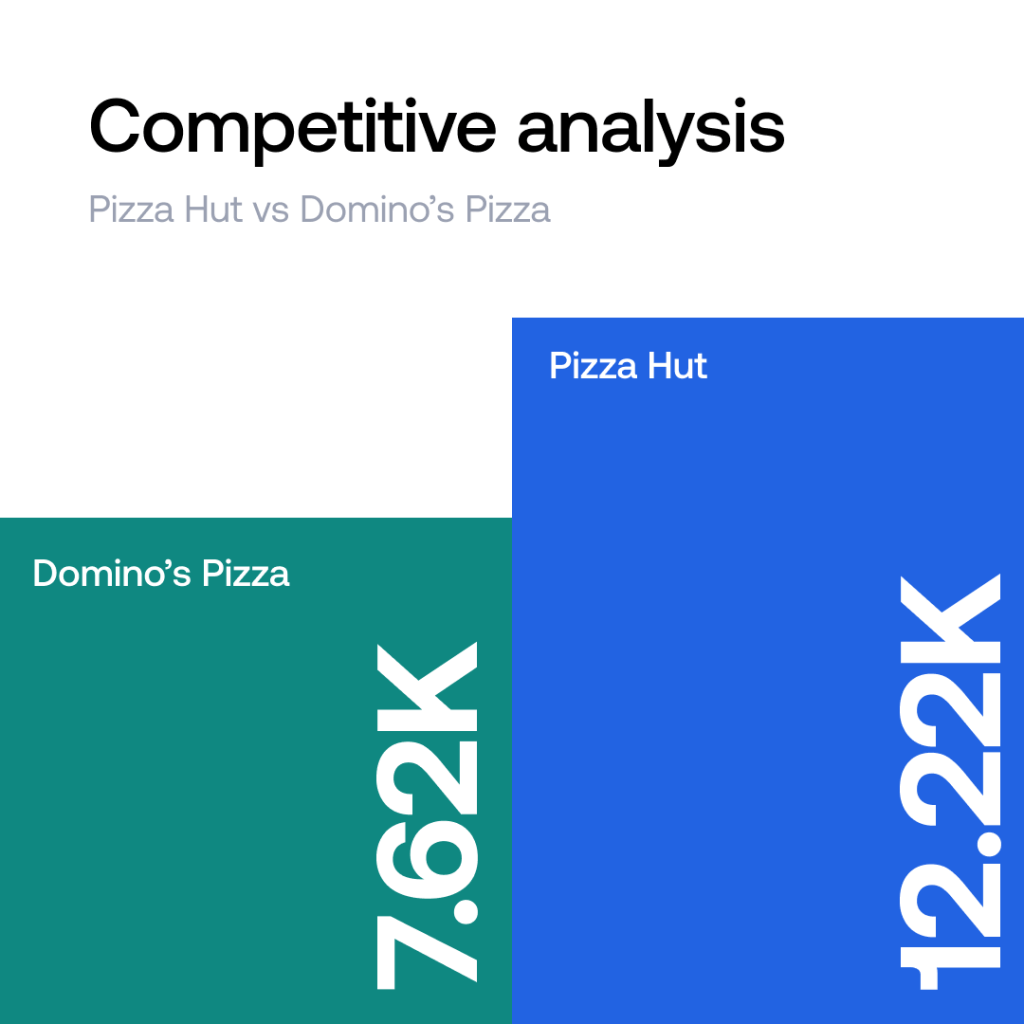
Understanding Competitive Analysis in the AI Era
Competitive analysis involves evaluating your competitors’ strengths, weaknesses, market positioning, and strategies to identify opportunities and threats. Traditionally, this process relied heavily on manual data collection, market research reports, and expert analysis. However, AI has introduced a paradigm shift by automating and enhancing these processes through advanced algorithms and machine learning techniques.
Harnessing AI for Data Collection and Processing
One of the significant advantages of AI in competitive analysis lies in its ability to streamline data collection and processing. AI-powered tools can aggregate vast amounts of structured and unstructured data from various sources such as social media, industry reports, and news articles. Natural Language Processing (NLP) algorithms enable these tools to extract meaningful insights, sentiments, and trends, providing businesses with a comprehensive view of their competitive landscape in real-time.
Predictive Analytics: Anticipating Market Moves
AI excels in predictive analytics, enabling businesses to forecast market trends and competitor behavior with greater accuracy. Machine learning models analyze historical data to identify patterns and correlations, helping companies anticipate shifts in consumer preferences, competitor strategies, and market dynamics. By leveraging predictive analytics, organizations can proactively adjust their business strategies, optimize resource allocation, and capitalize on emerging opportunities before their competitors.
Enhancing Decision-Making with AI-driven Insights
In the age of AI, competitive analysis extends beyond static reports to dynamic, actionable insights. AI algorithms continuously analyze data streams and generate actionable recommendations based on real-time market conditions. Whether it’s identifying untapped market segments, optimizing pricing strategies, or refining product offerings, AI-driven insights empower decision-makers to make informed choices swiftly and decisively.
Competitive Intelligence: Unveiling Hidden Patterns
AI’s ability to uncover hidden patterns and correlations in data provides businesses with a deeper understanding of competitive dynamics. Sentiment analysis tools, for instance, can assess public perception and sentiment towards competitors’ products or services across digital platforms. This real-time feedback loop enables organizations to gauge brand sentiment, customer satisfaction levels, and identify potential reputational risks or opportunities for improvement.
Automating Competitive Monitoring and Alerts
Traditionally, monitoring competitors involved manually tracking news updates, press releases, and market movements—a time-consuming process prone to oversights. AI-driven monitoring tools automate this task by continuously scanning and analyzing vast amounts of data. Alerts can be customized to notify businesses of significant competitor activities, regulatory changes, or market disruptions in real-time. This proactive approach ensures that organizations stay ahead of the curve and respond swiftly to emerging threats or opportunities.
AI-powered Market Segmentation and Targeting
Segmenting target markets and understanding consumer behavior are critical components of competitive analysis. AI algorithms analyze customer data to identify distinct market segments based on demographics, preferences, and purchasing behavior. This granular insight enables businesses to personalize marketing campaigns, tailor product offerings, and enhance customer engagement strategies. By aligning their strategies with market demands, organizations can strengthen their competitive position and foster long-term customer loyalty.
Challenges and Considerations in AI-driven Competitive Analysis
While AI offers immense potential, adopting and implementing AI-powered competitive analysis comes with challenges. These include data privacy concerns, ensuring data accuracy and reliability, integrating AI solutions with existing infrastructure, and upskilling teams to leverage AI effectively. Moreover, interpreting AI-generated insights requires human expertise to contextualize findings and make informed strategic decisions.
The Future Landscape of Competitive Analysis
Looking ahead, AI is poised to further revolutionize competitive analysis by integrating advanced technologies such as machine learning, deep learning, and predictive modeling. As AI continues to evolve, businesses can expect more sophisticated tools capable of simulating scenarios, optimizing supply chains, and even predicting competitor responses to strategic moves. Ultimately, AI-driven competitive analysis will empower businesses to navigate competitive landscapes more strategically, drive innovation, and sustain growth in an increasingly digital economy.
Conclusion
In conclusion, AI represents a transformative force in competitive analysis, offering businesses unprecedented opportunities to gain actionable insights, anticipate market trends, and outmaneuver competitors. By harnessing AI-powered tools and analytics, organizations can elevate their competitive intelligence efforts, enhance decision-making processes, and position themselves as industry leaders. Embracing AI for competitive analysis is not just about leveraging technology—it’s about gaining a strategic advantage that propels sustainable growth and resilience in today’s competitive marketplace.
 Tech Consultancy Blogs
Leave a comment