Artificial Intelligence (AI) has become a transformative force in various industries, and consumer electronics is no exception. This article explores the impact of AI in consumer electronics, highlighting its benefits, applications, and future potential.
Introduction to AI in Consumer Electronics
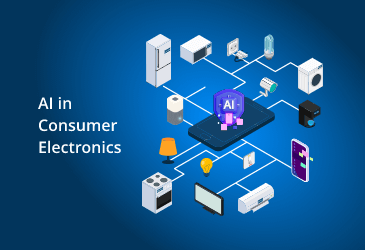
AI in consumer electronics refers to the integration of intelligent algorithms and machine learning into devices we use daily. From smartphones and smart speakers to home appliances and personal gadgets, AI is enhancing functionality, improving user experience, and making devices smarter and more intuitive.
Enhancing User Experience with AI
One of the most significant impacts of AI in consumer electronics is the enhancement of user experience. AI enables devices to learn from user behavior and preferences, providing personalized experiences. For instance, AI-powered virtual assistants like Amazon’s Alexa, Apple’s Siri, and Google Assistant can understand natural language, answer questions, and perform tasks, making daily life more convenient.
Smart Home Devices
Smart home devices are a prime example of AI in consumer electronics. AI-powered thermostats, lighting systems, and security cameras can adapt to user habits and preferences, optimizing energy use and enhancing security. For example, AI algorithms can learn your preferred temperature settings and automatically adjust the thermostat, ensuring comfort while saving energy.
Personalized Entertainment
AI has revolutionized the way we consume entertainment. Streaming services like Netflix and Spotify use AI algorithms to analyze viewing and listening habits, recommending content tailored to individual preferences. This personalization improves user satisfaction and keeps consumers engaged with the platform.
Improving Efficiency and Functionality
AI in consumer electronics also improves the efficiency and functionality of devices. Through machine learning, devices can perform tasks more accurately and efficiently, reducing the need for manual intervention.
Voice Recognition and Natural Language Processing
Voice recognition and natural language processing (NLP) are crucial AI technologies enhancing the functionality of consumer electronics. Devices equipped with voice recognition can understand and respond to voice commands, making them more user-friendly. For instance, smart speakers can control other smart home devices, play music, set reminders, and answer questions, all through simple voice commands.
Predictive Maintenance
AI is also playing a significant role in predictive maintenance. Smart appliances can monitor their performance and predict when maintenance is needed, alerting users before a breakdown occurs. This proactive approach extends the lifespan of devices and saves users from unexpected repair costs.
The Role of AI in Health and Fitness Gadgets
Health and fitness gadgets are increasingly incorporating AI to provide more accurate and personalized insights. Wearable devices like smartwatches and fitness trackers use AI algorithms to monitor health metrics such as heart rate, sleep patterns, and physical activity levels. These devices can provide personalized recommendations for improving health and fitness, making it easier for users to achieve their wellness goals.
Health Monitoring
AI in consumer electronics has made significant strides in health monitoring. Smartwatches equipped with AI can detect irregular heartbeats, monitor blood oxygen levels, and even provide early warnings of potential health issues. This continuous monitoring can be life-saving, especially for individuals with chronic health conditions.
Fitness Tracking
Fitness trackers use AI to analyze workout data, providing insights into exercise performance and suggesting improvements. These devices can adapt workout plans based on user progress, making fitness routines more effective and personalized.
Future Trends in AI and Consumer Electronics
The future of AI in consumer electronics looks promising, with continuous advancements expected to bring even more innovative and intelligent devices.
Enhanced Connectivity with IoT
The integration of AI with the Internet of Things (IoT) will lead to more connected and intelligent ecosystems. Smart homes will become smarter, with devices communicating seamlessly with each other to provide a unified user experience. For example, your smart refrigerator could communicate with your smartphone to suggest recipes based on the ingredients you have, while also creating a shopping list for items you’re running low on.
Augmented Reality and Virtual Reality
AI will play a crucial role in the development of augmented reality (AR) and virtual reality (VR) technologies. These immersive experiences will become more realistic and interactive, with applications ranging from gaming and entertainment to education and professional training.
Autonomous Vehicles
AI is also driving the development of autonomous vehicles. While still in the early stages, self-driving cars equipped with AI will eventually transform the way we travel, offering safer and more efficient transportation options.
Conclusion
AI in consumer electronics is revolutionizing the way we interact with technology, making devices smarter, more efficient, and more personalized. From enhancing user experience and improving functionality to advancing health and fitness monitoring, the impact of AI is profound and far-reaching. As AI continues to evolve, the future promises even more exciting innovations in the world of consumer electronics, transforming everyday life in ways we are only beginning to imagine.
 Tech Consultancy Blogs
Leave a comment