Introduction
In the fast-evolving landscape of asset management, technological advancements continue to redefine how investment decisions are made. One such innovation making waves is Generative AI. This article explores the transformative impact of Generative AI in asset management, from enhancing predictive analytics to optimizing portfolio management strategies.
Understanding Generative AI
Generative AI represents a significant leap forward in artificial intelligence technology. Unlike traditional AI, which relies on historical data to make predictions, generative models can create new data based on patterns learned from existing datasets. This capability is particularly valuable in asset management, where predicting market trends and optimizing investment portfolios are crucial.
Enhancing Predictive Analytics
One of the primary applications of Generative AI in asset management is its role in predictive analytics. By analyzing vast amounts of historical data, generative models can identify complex patterns and correlations that human analysts might overlook. This ability enables more accurate forecasts of market movements, helping investment firms make informed decisions in real time.
For example, hedge funds and asset managers use Generative AI algorithms to predict stock price movements based on factors such as market sentiment, economic indicators, and geopolitical events. These predictions go beyond traditional statistical models by incorporating nuanced data patterns, thereby improving the reliability of investment strategies.
Optimizing Portfolio Management
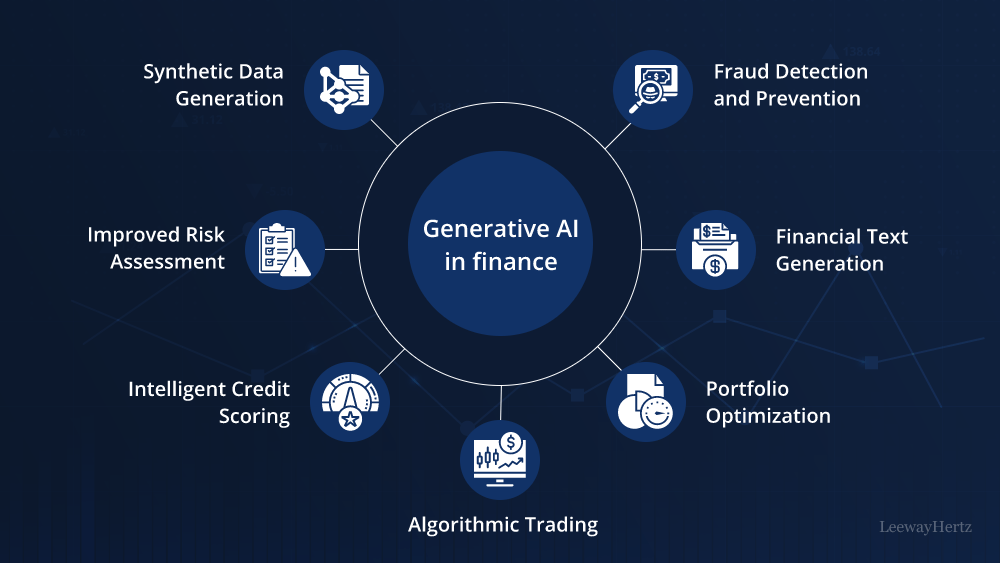
Generative AI also plays a crucial role in optimizing portfolio management strategies. Asset managers rely on these algorithms to construct and rebalance portfolios that maximize returns while minimizing risk. By simulating various market scenarios and generating synthetic data, generative models help identify optimal asset allocations tailored to specific risk appetites and investment objectives.
Moreover, Generative AI enables dynamic portfolio adjustments in response to changing market conditions. Algorithms can continuously learn from new data inputs, adapting strategies to capitalize on emerging opportunities or mitigate potential losses. This flexibility enhances portfolio resilience and responsiveness in volatile market environments.
Risk Management and Mitigation
Another key benefit of Generative AI in asset management is its ability to enhance risk management practices. By generating synthetic data, these models simulate diverse market scenarios and stress tests, providing insights into potential vulnerabilities within investment portfolios. This proactive approach enables asset managers to implement robust risk mitigation strategies and safeguard against unforeseen market downturns.
Furthermore, Generative AI aids in identifying outlier events or anomalies that traditional risk models may overlook. By analyzing both structured and unstructured data sources, including news articles, social media sentiment, and alternative datasets, these algorithms offer a comprehensive view of market dynamics, improving risk assessment accuracy.
Ethical Considerations and Transparency
While Generative AI presents compelling advantages in asset management, it also raises ethical considerations regarding data privacy, algorithmic bias, and transparency. Asset managers must ensure responsible use of AI technologies, maintaining transparency in how generative models are trained, validated, and deployed. Ethical guidelines and regulatory frameworks play a crucial role in fostering trust and accountability within the industry.
Future Outlook
Looking ahead, the integration of Generative AI in asset management is poised to drive further innovation and efficiency gains. As technology continues to evolve, so too will its applications in predicting market trends, optimizing investment strategies, and managing risks effectively. Collaboration between AI developers, asset managers, and regulatory bodies will be essential in harnessing the full potential of Generative AI while addressing ethical concerns.
Conclusion
Generative AI represents a paradigm shift in asset management, empowering investment firms with advanced predictive analytics, optimized portfolio management strategies, and enhanced risk mitigation capabilities. By leveraging generative models, asset managers can navigate complex market landscapes more effectively, making data-driven decisions that maximize returns and minimize risk. As the technology matures, its transformative impact on the industry is set to redefine the future of asset management, driving innovation and shaping the investment landscape for years to come.
 Tech Consultancy Blogs
Leave a comment