In today’s digital world, managing sensitive information securely is a top priority for businesses, governments, and various institutions. One key aspect of ensuring privacy and security is document redaction – the process of removing or obscuring confidential information from documents before they are shared or published. Traditionally, document redaction was a manual process, but now, AI agents in document redaction are transforming how this task is carried out.
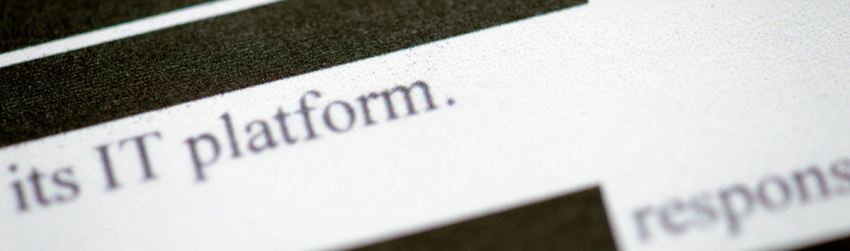
The Need for Document Redaction
The need for document redaction has grown significantly in recent years due to the rise of digital data and the increasing focus on data privacy laws. In sectors like healthcare, finance, and legal services, documents often contain personal, financial, or proprietary information that must be protected. Redacting these documents manually can be time-consuming and error-prone, especially when dealing with large volumes of sensitive data.
By automating the redaction process, AI agents in document redaction can enhance accuracy, reduce the time spent on manual tasks, and minimize human error. This is particularly important in fields where compliance with privacy regulations is paramount, such as the General Data Protection Regulation (GDPR) in Europe or the Health Insurance Portability and Accountability Act (HIPAA) in the United States.
How AI Agents in Document Redaction Work
AI agents in document redaction use advanced natural language processing (NLP) and machine learning algorithms to analyze text within a document. These agents are trained to identify specific patterns or keywords that correspond to sensitive information. For example, an AI system might be trained to recognize patterns such as Social Security numbers, credit card numbers, or even personal identifiers like email addresses.
Once the AI agent identifies this sensitive data, it automatically redacts it, replacing the information with black bars, blank spaces, or other forms of obfuscation. The agent may also be able to detect and redact hidden metadata, images, or annotations that could contain confidential information.
In many cases, AI agents in document redaction offer customization options that allow organizations to define which types of information need to be redacted based on their specific needs. The AI system can be trained on the types of documents being processed, ensuring that it becomes more accurate over time.
Benefits of Using AI Agents in Document Redaction
1. Speed and Efficiency
One of the primary benefits of using AI agents in document redaction is the speed with which they can process documents. What might take hours or even days for a human to complete can be accomplished in a fraction of the time by an AI system. This makes it ideal for handling large volumes of documents, such as during audits, legal reviews, or regulatory compliance checks.
2. Accuracy and Consistency
AI agents in document redaction are trained to identify and redact sensitive data with a high degree of accuracy. Unlike manual redaction, where human error can occur (e.g., failing to redact a sensitive detail or inadvertently leaving behind a visible mark), AI agents consistently apply the same redaction criteria to every document. This leads to more reliable and uniform results across multiple files.
3. Scalability
As organizations grow and the amount of sensitive data they handle increases, scalability becomes a significant concern. AI agents in document redaction can easily scale to handle large batches of documents, whether they are hundreds or thousands of pages long. This makes them a perfect fit for organizations dealing with an ever-increasing volume of documents.
4. Cost-Effectiveness
Although implementing AI systems comes with an upfront cost, in the long run, AI agents in document redaction can be more cost-effective than hiring a team to handle redaction manually. The automation of routine tasks reduces labor costs and allows human workers to focus on more strategic activities.
5. Improved Compliance
AI agents in document redaction can help ensure that organizations comply with data privacy regulations. By consistently identifying and removing sensitive information, these agents reduce the risk of accidental data breaches, which could result in hefty fines or legal consequences. Additionally, AI-powered systems can create audit trails that help organizations demonstrate compliance with privacy laws.
Challenges and Considerations
While AI agents in document redaction offer numerous benefits, there are also challenges and considerations that organizations should be aware of.
1. Training and Customization
To achieve optimal results, AI agents need to be trained on the specific types of documents an organization handles. For example, legal documents may require different redaction criteria than medical records. Customizing AI agents to meet these needs can require additional time and resources.
2. False Positives and Negatives
Although AI agents are highly accurate, they are not infallible. False positives (where non-sensitive information is redacted) and false negatives (where sensitive information is missed) can occur. Therefore, it’s important for organizations to implement a review process where redacted documents are checked by humans to ensure the AI system is performing as expected.
3. Ethical Concerns
Another consideration is the ethical implications of using AI for document redaction. The AI systems must be transparent, secure, and fair in how they handle sensitive information. Additionally, the use of AI agents in document redaction must adhere to ethical standards to avoid misuse or overreach, such as the inadvertent removal of information that should not be redacted.
Future Trends of AI Agents in Document Redaction
The use of AI agents in document redaction is expected to grow significantly in the coming years as AI technology continues to improve. Future developments may include even more sophisticated AI systems that can understand complex document structures and contexts, allowing for more nuanced redaction decisions.
Additionally, AI agents may integrate with other enterprise systems, such as document management platforms or compliance tools, further streamlining workflows and improving efficiency. As AI continues to evolve, its role in document redaction will only become more pivotal, offering businesses and organizations a powerful tool for managing and securing sensitive information.
Conclusion
AI agents in document redaction represent a significant advancement in the way sensitive data is handled. These intelligent systems provide organizations with speed, accuracy, and efficiency while ensuring compliance with privacy laws. As technology continues to evolve, the use of AI in document redaction is set to become even more indispensable, helping organizations manage the growing volume of sensitive information while reducing risks and improving security.
 Tech Consultancy Blogs
Leave a comment