In today’s fast-paced digital world, managing an ever-increasing amount of data and documentation is a critical challenge for businesses and organizations. The integration of AI agents in document management offers a transformative solution, enabling efficiency, accuracy, and scalability. This article explores how AI agents are revolutionizing document management, their benefits, and their potential for the future.
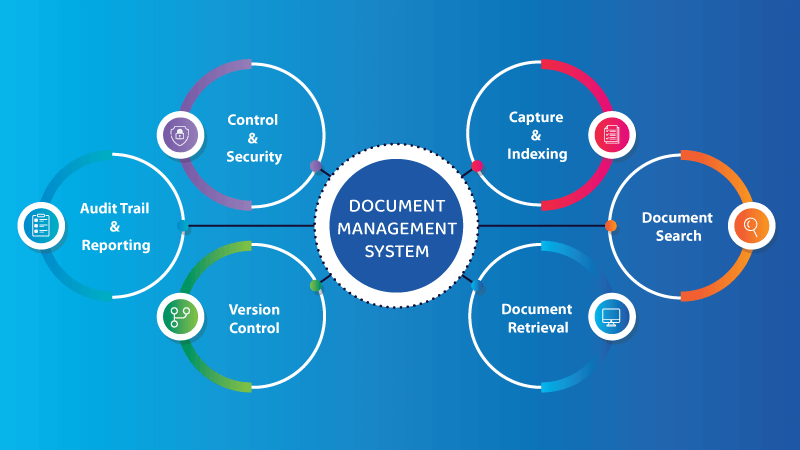
What Are AI Agents in Document Management?
AI agents in document management are intelligent software systems designed to automate and optimize tasks related to handling documents. These agents use technologies like natural language processing (NLP), machine learning, and automation to process, analyze, organize, and store data effectively. By simulating human decision-making, they streamline operations and reduce manual labor.
For instance, AI agents can extract critical information from unstructured data, categorize documents, and even detect anomalies in records. Their capacity to learn and improve over time makes them indispensable in document-heavy industries.
The Benefits of Using AI Agents in Document Management
The application of AI agents in document management comes with numerous advantages:
1. Enhanced Accuracy and Consistency
Manual document management is prone to human error, especially when dealing with large volumes of information. AI agents eliminate these risks by ensuring accurate data extraction and organization. With advanced algorithms, they maintain consistency across all documentation processes.
2. Time-Saving Automation
AI-powered document management automates repetitive tasks, such as data entry, sorting, and archiving. This allows employees to focus on strategic initiatives rather than administrative burdens. For instance, an AI agent can quickly analyze hundreds of invoices, saving hours of manual review.
3. Improved Data Security
AI agents bolster document security through intelligent access controls and encryption. They can detect potential vulnerabilities or unauthorized access, ensuring sensitive information is well-protected. Additionally, AI algorithms are adept at identifying patterns that could indicate cyber threats.
4. Better Document Retrieval
With AI agents, finding specific documents or information becomes incredibly fast. Advanced search functions powered by NLP allow users to retrieve relevant data using keywords or phrases, reducing downtime and enhancing productivity.
5. Cost-Effectiveness
While implementing AI agents may require an initial investment, the long-term savings are significant. Automated workflows minimize the need for extensive manual labor, reducing operational costs and increasing ROI.
Key Applications of AI Agents in Document Management
AI agents have diverse applications across industries:
1. Document Classification and Organization
By analyzing content, AI agents categorize documents based on predefined criteria, making it easier to manage and retrieve files. For example, they can separate financial records from HR documents without human intervention.
2. Optical Character Recognition (OCR)
OCR technology integrated with AI agents enables the conversion of scanned documents or handwritten notes into digital, editable formats. This is especially useful for industries like healthcare and legal services, where physical documents are abundant.
3. Compliance Management
Organizations often need to adhere to strict regulatory standards. AI agents in document management ensure compliance by tracking document versions, deadlines, and legal requirements. They can even generate audit trails automatically.
4. Workflow Automation
From approvals to notifications, AI agents streamline workflows by automating processes. For instance, they can forward contracts for e-signatures, send reminders for pending tasks, or archive documents after completion.
5. Real-Time Collaboration
AI agents enable teams to collaborate efficiently by centralizing document management systems. They facilitate real-time updates, version control, and seamless sharing across departments or even global teams.
How AI Agents in Document Management Foster Innovation
The use of AI agents goes beyond efficiency; it fosters innovation. With their ability to analyze patterns and provide actionable insights, organizations can identify opportunities for improvement. For example, they can highlight areas of excessive paperwork or pinpoint bottlenecks in document workflows.
Moreover, the integration of AI agents enables advanced analytics, helping organizations make data-driven decisions. This positions businesses to stay competitive in a rapidly evolving digital landscape.
Challenges and Considerations
While AI agents in document management offer significant advantages, their implementation requires careful planning:
1. Data Privacy Concerns
AI systems must comply with data privacy regulations to ensure sensitive information remains secure. Organizations need to establish robust policies to address this concern.
2. Integration with Legacy Systems
Many organizations still rely on legacy systems for document management. Seamlessly integrating AI agents with existing infrastructure can be complex and may require tailored solutions.
3. Employee Training
To maximize the benefits of AI agents, employees must be adequately trained to use these systems. Resistance to change can be mitigated through comprehensive education and support.
The Future of AI Agents in Document Management
The evolution of AI agents in document management continues to reshape how businesses operate. Emerging trends such as hyper-automation, AI-driven analytics, and enhanced natural language understanding promise even greater capabilities.
As AI agents become more intuitive, their applications will extend beyond traditional document management, driving innovation in areas such as knowledge management, customer service, and enterprise resource planning.
In conclusion, AI agents in document management are redefining the way we handle information. By enhancing accuracy, efficiency, and security, these intelligent systems are paving the way for a smarter, more streamlined future. Adopting AI-driven solutions is no longer optional but essential for staying ahead in an increasingly data-driven world.
 Tech Consultancy Blogs
Leave a comment