Introduction
Risk management is a cornerstone of decision-making in businesses, finance, healthcare, and countless other sectors. With the ever-increasing complexity of today’s global challenges, traditional approaches to risk management are no longer sufficient. Enter AI agents, the transformative technology reshaping how risks are identified, assessed, and mitigated.
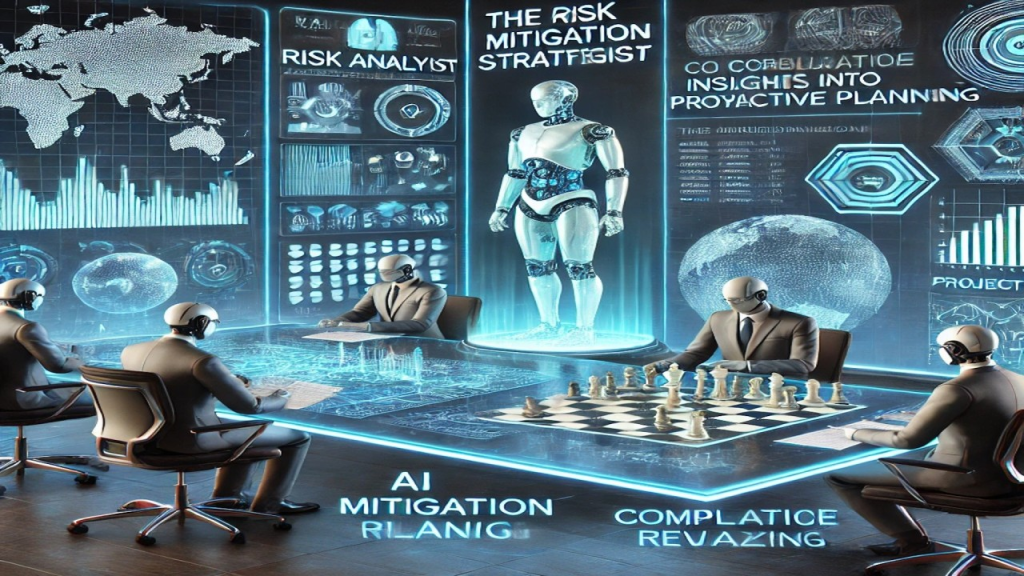
What Are AI Agents in Risk Management?
AI agents are sophisticated software systems designed to perform tasks autonomously, utilizing machine learning, data analysis, and decision-making algorithms. In risk management, these agents analyze data patterns, predict potential risks, and suggest mitigation strategies in real-time.
By harnessing AI agents in risk management, organizations gain tools that not only enhance efficiency but also offer unparalleled accuracy and foresight. These capabilities are essential for navigating the increasingly unpredictable business landscape.
The Need for AI Agents in Risk Management
Increasing Complexity in Data
Businesses today deal with vast amounts of data, from customer information to market trends. Managing this data manually is not only labor-intensive but also prone to errors. AI agents process this information swiftly and precisely, uncovering hidden risks that may not be apparent to human analysts.
Real-Time Risk Assessment
Traditional methods of risk management are often reactive. AI agents, however, provide proactive insights, flagging risks as they emerge. For example, in financial markets, these agents can identify anomalies in trading patterns, helping organizations respond to potential threats before they escalate.
Enhanced Predictive Capabilities
AI agents leverage predictive analytics to foresee risks. This capability is invaluable in industries like healthcare, where early identification of supply chain disruptions or patient care issues can prevent significant problems.
How AI Agents Transform Risk Management
Automation of Routine Tasks
One of the most significant advantages of AI agents in risk management is their ability to automate repetitive tasks. Whether it’s monitoring compliance regulations or tracking performance metrics, these agents free up human experts to focus on strategic decision-making.
Improved Decision-Making
AI agents provide actionable insights by analyzing data from diverse sources. Their recommendations are grounded in complex algorithms, ensuring decisions are data-driven and objective. This minimizes the likelihood of human biases impacting risk assessments.
Cybersecurity Enhancement
With the rise of cyber threats, AI agents play a crucial role in risk management for digital assets. They monitor network activity, identify potential breaches, and respond to cyberattacks in real time, reducing the overall impact of such incidents.
Scenario Analysis and Simulation
AI agents excel in running simulations and “what-if” scenarios. This helps organizations understand potential outcomes and prepare contingency plans. For example, an AI agent can model the financial implications of a market crash, enabling businesses to adapt their strategies accordingly.
Challenges in Using AI Agents in Risk Management
Data Quality and Bias
The effectiveness of AI agents depends on the quality of data they analyze. Poor or biased data can lead to inaccurate risk predictions. Ensuring that data sources are reliable and representative is essential for achieving optimal results.
Integration with Existing Systems
Incorporating AI agents into established risk management frameworks can be challenging. Organizations must invest in infrastructure and training to ensure seamless integration.
Ethical and Legal Concerns
AI agents operate within legal and ethical boundaries, but they can still pose risks. For example, using AI to monitor employee behavior might raise privacy concerns. Addressing these issues requires clear guidelines and transparency in the use of AI technologies.
The Future of AI Agents in Risk Management
The future of risk management lies in the seamless collaboration between human expertise and AI agents. As technology continues to evolve, AI agents will become even more capable of handling complex challenges. Here are some trends to watch:
- Adaptive Learning Systems: AI agents will evolve to adapt to changing environments, ensuring they remain effective in dynamic scenarios.
- Integration with IoT: The Internet of Things (IoT) will enable AI agents to access real-time data from connected devices, enhancing risk detection and response capabilities.
- Greater Focus on Sustainability Risks: As sustainability becomes a priority, AI agents will play a key role in managing environmental and social risks.
Conclusion
AI agents in risk management are no longer a futuristic concept—they are a present-day necessity. Their ability to process data, predict risks, and offer actionable insights has revolutionized the field. While challenges remain, the benefits of adopting AI agents far outweigh the risks. By integrating AI into risk management practices, organizations can build resilience, improve decision-making, and prepare for the uncertainties of tomorrow.
 Tech Consultancy Blogs
Leave a comment