Artificial intelligence (AI) is transforming the way industries function, and its impact on intellectual property (IP) is no exception. AI agents, specifically designed to handle complex tasks, are now being integrated into various stages of the intellectual property lifecycle. From patent filing to copyright management, AI agents are creating more efficient, accurate, and cost-effective processes.
Understanding AI Agents in Intellectual Property
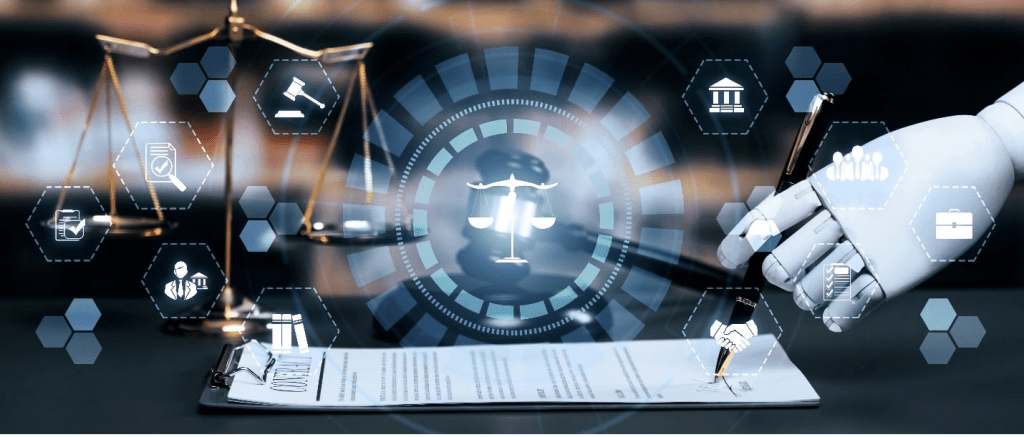
AI agents in intellectual property are software systems that use machine learning algorithms, natural language processing, and predictive analytics to assist in IP-related activities. These agents are capable of analyzing vast datasets, identifying patterns, and making recommendations with minimal human intervention. Their capabilities make them ideal for tasks such as trademark searches, patent analysis, and even IP enforcement.
By leveraging AI agents, IP professionals can improve accuracy, save time, and focus on strategic decision-making rather than routine administrative tasks.
Applications of AI Agents in Intellectual Property
1. Automated Patent Search and Analysis
One of the most significant contributions of AI agents in intellectual property is their ability to perform patent searches. Searching for prior art is a time-consuming process, often involving hundreds or thousands of documents. AI agents can scan and analyze these documents rapidly, highlighting relevant patents and potential conflicts.
These agents can also help in assessing the novelty of an invention by comparing it against existing patents, thus aiding inventors and legal teams in drafting stronger patent applications.
2. Trademark Registration and Monitoring
Trademark registration involves ensuring that a proposed mark does not infringe on existing trademarks. AI agents in intellectual property can quickly search trademark databases to identify possible overlaps. This streamlines the registration process, making it faster and more efficient.
In addition, AI agents can monitor trademarks post-registration to identify potential infringements. This proactive approach helps businesses maintain their brand identity and avoid costly legal disputes.
3. Copyright Management
AI agents are playing a vital role in copyright management by automating the identification of copyrighted works across digital platforms. These systems use image recognition, audio analysis, and textual comparisons to detect unauthorized use of protected content.
Content creators can rely on these tools to enforce their rights and take swift action against copyright violations. This not only protects creators but also fosters an ecosystem that values originality and creativity.
4. Licensing and Contract Management
Negotiating and managing licensing agreements is another area where AI agents in intellectual property are making a difference. These tools can review and draft contracts, ensuring compliance with legal standards and reducing the risk of human error.
By analyzing historical data and market trends, AI agents can also assist in setting fair royalty rates, making licensing negotiations more transparent and efficient.
Benefits of Using AI Agents in Intellectual Property
The integration of AI agents in intellectual property management offers numerous benefits:
- Efficiency: AI agents significantly reduce the time required for tasks like patent searches, trademark monitoring, and copyright enforcement.
- Cost Savings: By automating routine processes, organizations can cut down on administrative costs and allocate resources more effectively.
- Accuracy: AI agents minimize human errors, ensuring more reliable results in IP-related activities.
- Scalability: These tools can handle large volumes of data, making them suitable for businesses of all sizes, from startups to multinational corporations.
- Proactive Protection: Continuous monitoring by AI agents helps businesses stay ahead of potential IP infringements.
Challenges in Implementing AI Agents in Intellectual Property
Despite their advantages, AI agents in intellectual property are not without challenges.
- Data Privacy and Security: Handling sensitive IP data requires robust security measures to prevent breaches and misuse.
- Regulatory Compliance: AI tools must comply with varying IP laws across jurisdictions, which can complicate their implementation.
- Quality of Training Data: The effectiveness of AI agents depends on the quality and diversity of the data they are trained on. Poor-quality data can lead to inaccurate results.
- Ethical Concerns: Questions about the ownership of AI-generated works and the role of human oversight in IP decisions remain unresolved.
Future Trends in AI Agents and Intellectual Property
The role of AI agents in intellectual property is expected to grow as technology advances. Emerging trends include:
- Predictive IP Analytics: AI agents may soon predict the success rate of patent applications or the likelihood of IP litigation based on historical data.
- Customizable AI Tools: Businesses will likely adopt tailored AI solutions to meet specific IP needs, enhancing their competitive advantage.
- Blockchain Integration: Combining AI with blockchain could revolutionize IP protection by creating tamper-proof records for patents, trademarks, and copyrights.
Conclusion
AI agents in intellectual property are transforming how businesses and legal professionals manage their intellectual assets. By automating repetitive tasks, enhancing accuracy, and providing actionable insights, these tools are paving the way for a more efficient IP ecosystem.
However, as with any technological advancement, careful consideration of ethical, legal, and technical challenges is crucial. By addressing these concerns, AI agents can unlock their full potential and drive innovation in intellectual property management.
 Tech Consultancy Blogs
Leave a comment