Introduction
In the modern business landscape, due diligence has become a crucial step in evaluating potential investments, mergers, and acquisitions. Traditionally, this process involves meticulous reviews of financial records, legal documents, and operational performance. However, the emergence of Generative AI in due diligence is revolutionizing how organizations approach these evaluations. By leveraging advanced algorithms and machine learning techniques, businesses can streamline the due diligence process, improve accuracy, and reduce the time required for comprehensive assessments.
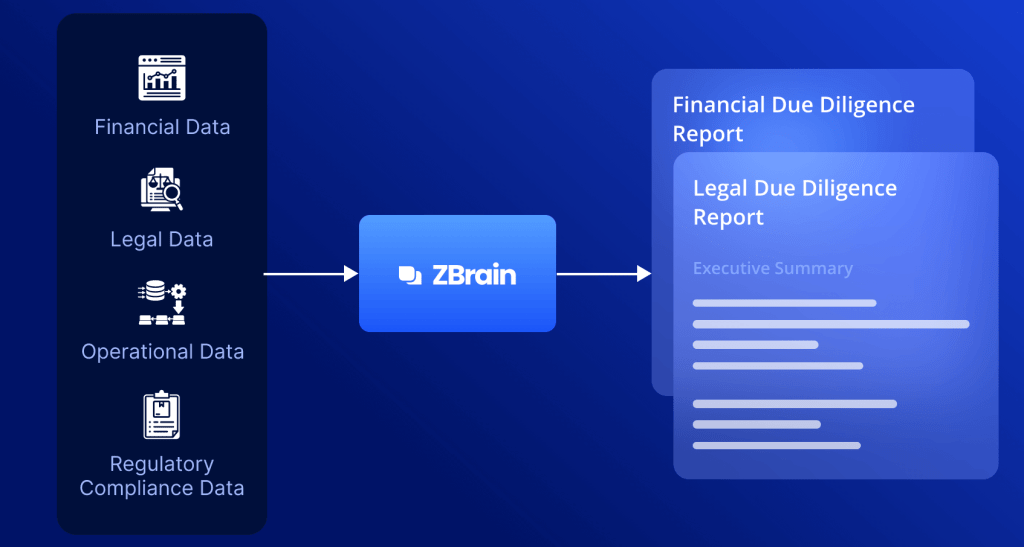
Understanding Due Diligence
Due diligence refers to the investigation or audit of a potential investment or product to confirm all facts, such as reviewing financial records, legal obligations, and operational performance. This process is essential for identifying risks and opportunities associated with a business decision. Traditionally, due diligence is a labor-intensive process, often involving teams of analysts combing through vast amounts of data. With the integration of Generative AI in due diligence, organizations can automate many aspects of this process, resulting in more efficient evaluations.
The Benefits of Generative AI in Due Diligence
Enhanced Data Analysis
One of the most significant advantages of using Generative AI in due diligence is its ability to analyze large datasets quickly and accurately. AI algorithms can process vast amounts of information from various sources, including financial statements, contracts, and regulatory filings. This capability allows organizations to uncover insights that might be overlooked in traditional manual reviews.
Improved Risk Assessment
Identifying potential risks is a critical component of due diligence. Generative AI can help organizations assess risks more effectively by analyzing historical data and identifying patterns that may indicate future challenges. For example, AI can predict market fluctuations, detect anomalies in financial performance, and evaluate the potential impact of legal disputes. By integrating Generative AI in due diligence, businesses can make more informed decisions and mitigate risks before committing to an investment.
Cost Efficiency
The traditional due diligence process can be resource-intensive, requiring significant time and manpower. Generative AI can reduce these costs by automating repetitive tasks and improving the speed of data analysis. By leveraging AI technologies, organizations can allocate resources more efficiently, allowing teams to focus on higher-value tasks such as strategic decision-making and relationship building.
Streamlined Documentation Review
The review of legal and regulatory documents is a critical aspect of due diligence. Generative AI can expedite this process by automatically extracting key information from contracts, agreements, and compliance documents. Natural language processing (NLP) techniques enable AI to understand the context of legal language, making it easier to identify crucial clauses and terms. This functionality not only speeds up the review process but also enhances accuracy, reducing the likelihood of overlooking essential details.
Challenges in Implementing Generative AI in Due Diligence
While the benefits of Generative AI in due diligence are clear, organizations must also be aware of the challenges associated with its implementation.
Data Privacy and Security Concerns
The use of AI in due diligence involves processing sensitive data, raising concerns about privacy and security. Organizations must ensure that they comply with relevant regulations and implement robust security measures to protect confidential information. Failure to address these issues can lead to reputational damage and legal consequences.
The Need for Human Oversight
Despite its capabilities, Generative AI in due diligence is not a substitute for human expertise. AI tools can enhance the due diligence process, but they should complement rather than replace human judgment. Experienced professionals play a vital role in interpreting AI-generated insights, making strategic decisions, and ensuring that ethical considerations are upheld throughout the evaluation process.
Integration with Existing Systems
Integrating Generative AI in due diligence into existing workflows and systems can be challenging. Organizations must invest time and resources in training staff, upgrading technology, and ensuring that AI tools work seamlessly with current processes. A well-planned implementation strategy is essential for maximizing the benefits of AI in due diligence.
The Future of Generative AI in Due Diligence
As technology continues to evolve, the role of Generative AI in due diligence is expected to expand further. Innovations in machine learning and data analytics will enhance the capabilities of AI tools, enabling organizations to conduct even more comprehensive evaluations. Additionally, the integration of AI with other technologies, such as blockchain and advanced analytics, could revolutionize how due diligence is performed, leading to increased transparency and trust in business transactions.
Conclusion
The integration of Generative AI in due diligence represents a significant advancement in how organizations evaluate potential investments and business opportunities. By leveraging AI’s data analysis capabilities, businesses can enhance their risk assessments, streamline documentation reviews, and reduce costs associated with traditional due diligence processes. However, it is crucial to address the challenges of data privacy, the need for human oversight, and the integration of AI with existing systems to fully realize the benefits of this technology. As the landscape of business evaluations continues to evolve, embracing Generative AI in due diligence will be essential for organizations seeking to remain competitive and make informed decisions.
 Tech Consultancy Blogs
Leave a comment