Introduction
In today’s rapidly evolving digital landscape, organizations are constantly seeking innovative solutions to streamline their procurement processes. One such solution is the implementation of AI agents in procurement. These intelligent systems can enhance decision-making, improve accuracy, and reduce manual workload. Among the various applications of AI in procurement, vendor data validation agents play a crucial role in ensuring that the data used for procurement decisions is accurate and reliable.
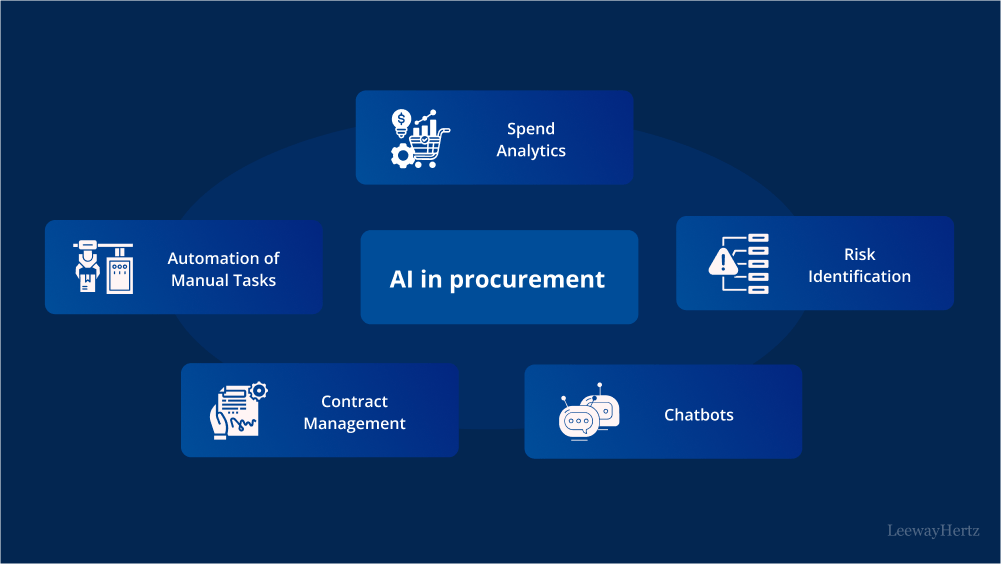
Understanding Vendor Data Validation Agents
Vendor data validation agents are specialized AI tools designed to verify and validate vendor information. This includes details such as contact information, business registration, compliance records, and financial stability. By leveraging AI agents in procurement, organizations can automate the validation process, ensuring that only trustworthy vendors are considered for business relationships.
These agents utilize machine learning algorithms and data analytics to cross-check vendor information against reliable databases and sources. They can quickly identify discrepancies, outdated information, and potential risks associated with vendors, which is essential for maintaining the integrity of the procurement process.
The Importance of Accurate Vendor Data
Accurate vendor data is the foundation of effective procurement strategies. Inaccurate or outdated information can lead to poor decision-making, resulting in financial losses, legal complications, and damage to reputation. By utilizing vendor data validation agents, organizations can mitigate these risks significantly.
- Enhancing Decision-Making: With accurate vendor data, procurement professionals can make informed decisions based on reliable insights. This leads to better supplier selection and improved negotiation outcomes.
- Reducing Risk: Validating vendor data helps identify potential red flags, such as financial instability or legal issues. By addressing these concerns early on, organizations can avoid costly mistakes.
- Improving Efficiency: Manual data validation is time-consuming and prone to errors. AI agents in procurement can automate this process, freeing up valuable time for procurement teams to focus on strategic initiatives.
How AI Agents Improve Vendor Data Validation
AI agents in procurement enhance the vendor data validation process in several ways:
1. Automation of Data Collection
Traditionally, validating vendor information required extensive manual research and data entry. Vendor data validation agents automate data collection by sourcing information from various platforms, databases, and online resources. This not only speeds up the validation process but also reduces the likelihood of human error.
2. Real-Time Data Analysis
One of the significant advantages of using AI agents in procurement is their ability to analyze data in real time. This means that any changes in a vendor’s status or compliance can be immediately flagged and addressed. Real-time analysis ensures that procurement teams always have the most current information at their fingertips.
3. Predictive Analytics
Advanced AI agents can also employ predictive analytics to assess vendor risk levels. By analyzing historical data and identifying patterns, these agents can forecast potential issues, allowing organizations to take proactive measures before problems arise.
Integrating Vendor Data Validation Agents into Procurement Processes
To successfully integrate vendor data validation agents into procurement processes, organizations should consider the following steps:
1. Define Validation Criteria
Organizations should begin by clearly defining the criteria for vendor validation. This may include financial health, compliance with regulations, industry reputation, and performance history. Establishing these criteria will guide the AI agents in their validation efforts.
2. Choose the Right AI Tools
Not all AI agents in procurement are created equal. Organizations must assess their specific needs and choose validation tools that align with their goals. Considerations should include the agent’s ability to integrate with existing procurement systems, its data sources, and the level of customization it offers.
3. Train and Monitor the AI Agents
AI agents require training to ensure they accurately validate vendor data according to the defined criteria. Organizations should regularly monitor the performance of these agents, making adjustments as necessary to improve accuracy and efficiency.
4. Foster Collaboration between Teams
For vendor data validation agents to be effective, there should be collaboration between procurement teams, IT, and data analysts. This cross-functional approach ensures that the validation process is aligned with organizational objectives and that insights generated by AI agents are utilized effectively.
Conclusion
The integration of vendor data validation agents into procurement processes represents a significant advancement in the pursuit of efficiency and accuracy. By leveraging AI agents in procurement, organizations can enhance decision-making, reduce risks, and streamline operations. As the landscape of procurement continues to evolve, embracing these technological innovations will be crucial for organizations aiming to stay competitive and agile in an increasingly complex marketplace.
Ultimately, the implementation of vendor data validation agents not only optimizes procurement processes but also fosters stronger, more reliable vendor relationships, leading to long-term success and sustainability.
 Tech Consultancy Blogs
Leave a comment