Introduction to Generative AI in IT
Generative AI in IT has emerged as a powerful technology that is reshaping the landscape of information technology. With its ability to create content, automate processes, and enhance decision-making, this innovative approach to artificial intelligence is gaining traction across various sectors. In this article, we will explore what generative AI is, its applications in IT, and its potential impact on the industry.
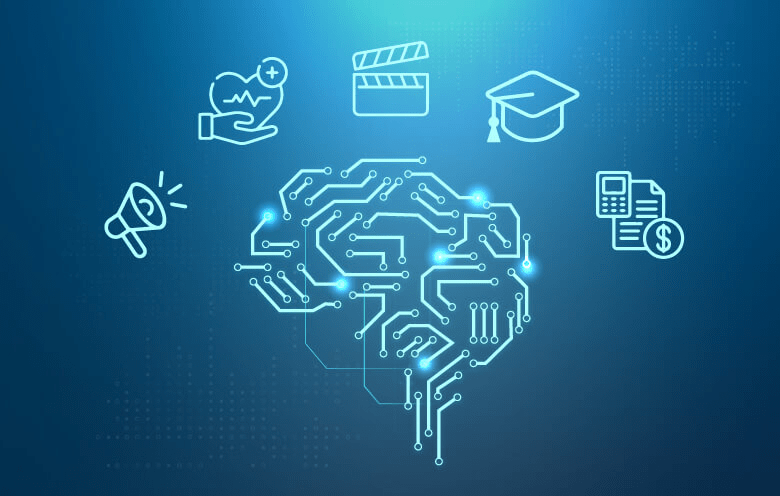
What is Generative AI?
Generative AI refers to a class of artificial intelligence algorithms that can generate new content, including text, images, and music, based on training data. Unlike traditional AI, which typically focuses on classification and prediction tasks, generative AI can create original outputs that mimic human creativity. Techniques such as Generative Adversarial Networks (GANs) and Variational Autoencoders (VAEs) are often used in generative models, allowing them to learn from vast datasets and produce high-quality results.
Applications of Generative AI in IT
Content Generation
One of the most prominent applications of generative AI in IT is content generation. From automated news articles to social media posts, generative AI tools can produce human-like text that is coherent and contextually relevant. This capability not only saves time but also enables organizations to maintain a consistent online presence without overburdening their teams.
Software Development
Generative AI in IT also plays a vital role in software development. By analyzing code patterns and developer behavior, AI can assist in generating code snippets, debugging, and even suggesting solutions for programming challenges. This application streamlines the development process, allowing developers to focus on higher-level tasks while improving overall productivity.
Data Analysis and Insights
Another significant advantage of generative AI in IT is its ability to analyze large volumes of data and generate insights. By identifying patterns and trends within datasets, generative AI can help organizations make informed decisions based on real-time information. This capability is particularly valuable in industries such as finance and healthcare, where data-driven insights are critical for success.
Enhancing User Experience
Generative AI is also transforming user experience (UX) in IT. Through personalization, AI can tailor content and services to individual users based on their preferences and behaviors. This level of customization enhances user satisfaction and engagement, ultimately leading to improved business outcomes.
Cybersecurity Applications
In the realm of cybersecurity, generative AI can be utilized to identify potential threats and vulnerabilities. By simulating various attack scenarios, organizations can better prepare for cyber threats and strengthen their security measures. This proactive approach is essential in today’s digital landscape, where cyber attacks are becoming increasingly sophisticated.
Challenges and Ethical Considerations
While generative AI in IT offers numerous benefits, it also poses several challenges and ethical considerations. One of the primary concerns is the potential for misuse of generative AI technologies. For instance, AI-generated deepfakes can be used to spread misinformation or manipulate public opinion. Additionally, the creation of biased content due to flawed training data can lead to ethical dilemmas that organizations must address.
Another challenge is the issue of intellectual property. As generative AI creates original content, questions arise regarding ownership and copyright. Organizations must navigate these complexities to ensure compliance with legal and ethical standards.
The Future of Generative AI in IT
The future of generative AI in IT is promising, with continued advancements in technology and research. As AI models become more sophisticated, their applications are expected to expand across various industries, driving innovation and efficiency. Organizations that embrace generative AI will likely gain a competitive edge, leveraging its capabilities to enhance products and services.
Moreover, the integration of generative AI with other emerging technologies, such as blockchain and the Internet of Things (IoT), could unlock new possibilities. For example, combining generative AI with IoT can lead to the development of smart systems that autonomously generate solutions based on real-time data.
Conclusion
In conclusion, generative AI in IT is revolutionizing the way organizations operate and interact with technology. From content generation to software development and cybersecurity, the applications of generative AI are vast and impactful. While challenges and ethical considerations must be addressed, the potential benefits far outweigh the drawbacks. As this technology continues to evolve, it will undoubtedly play a critical role in shaping the future of information technology, driving innovation, and enhancing efficiency across industries. Organizations that leverage generative AI will not only improve their operations but also pave the way for a more intelligent and interconnected world.
 Tech Consultancy Blogs
Leave a comment