Introduction
Generative AI in manufacturing is revolutionizing the way products are designed, developed, and produced. This technology leverages artificial intelligence algorithms to create innovative solutions that can enhance efficiency, reduce costs, and improve overall product quality. As manufacturers face increasing competition and the need for faster innovation, generative AI emerges as a powerful tool that can streamline operations and drive growth.
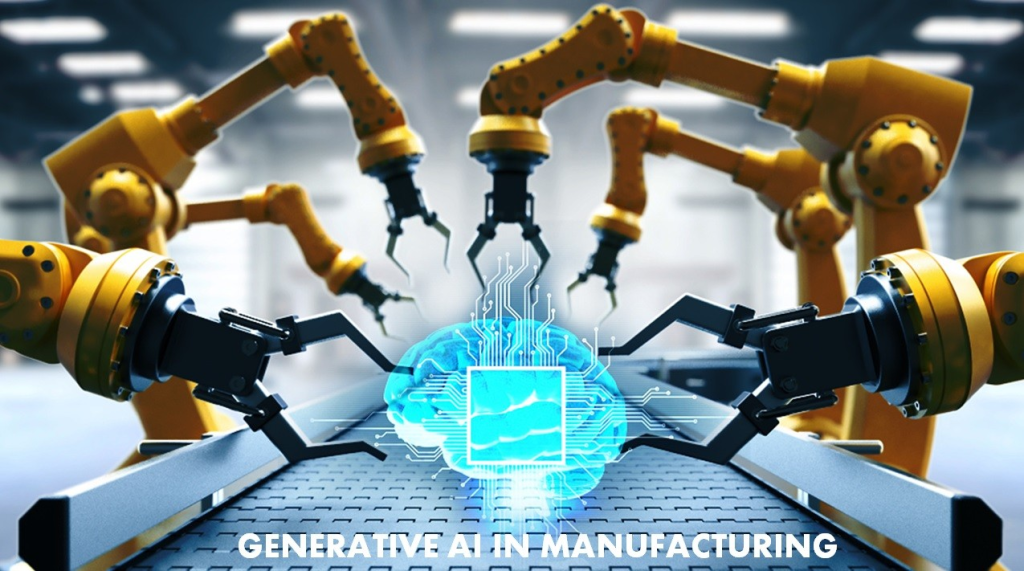
Understanding Generative AI in Manufacturing
Generative AI refers to a subset of artificial intelligence that can generate new content or solutions based on existing data. In the manufacturing sector, this technology can analyze vast amounts of design data and generate new product designs, optimize processes, and even simulate production scenarios. By utilizing generative algorithms, manufacturers can explore design alternatives that may not have been considered, leading to more innovative products and processes.
Benefits of Generative AI in Manufacturing
1. Enhanced Design Capabilities
One of the most significant advantages of generative AI in manufacturing is its ability to enhance design capabilities. Traditional design processes often involve manual iterations, which can be time-consuming and limit creativity. Generative AI, on the other hand, allows engineers and designers to input specific parameters and constraints, enabling the AI to generate multiple design options quickly. This can lead to unique and optimized solutions that might not have been discovered through conventional methods.
2. Improved Product Quality
Generative AI in manufacturing can also contribute to improved product quality. By analyzing historical data, the AI can identify patterns and insights that can inform design decisions. This data-driven approach allows manufacturers to create products that are more aligned with customer preferences and industry standards. Additionally, generative AI can simulate real-world conditions, helping manufacturers to test and validate designs before they enter production. This leads to fewer defects and higher customer satisfaction.
3. Cost Efficiency
Implementing generative AI in manufacturing can significantly reduce costs. Traditional design and prototyping processes often require substantial resources, including time, materials, and labor. With generative AI, manufacturers can streamline these processes by rapidly generating and evaluating designs. This reduces the need for physical prototypes, saving both time and material costs. Furthermore, optimized designs can lead to more efficient use of resources during production, further driving down expenses.
4. Accelerated Innovation
In today’s fast-paced market, innovation is crucial for staying competitive. Generative AI in manufacturing accelerates the innovation process by allowing manufacturers to explore a broader range of possibilities in product design. By quickly generating and testing multiple design iterations, manufacturers can bring new products to market faster. This agility not only enhances competitiveness but also enables companies to respond more effectively to changing consumer demands.
Applications of Generative AI in Manufacturing
1. Design Optimization
Generative AI is particularly effective in optimizing product designs. For instance, in industries such as aerospace and automotive, where weight reduction is critical, generative algorithms can create lightweight structures that maintain strength and integrity. These designs can lead to significant material savings and improved performance.
2. Supply Chain Management
Beyond product design, generative AI can also enhance supply chain management in manufacturing. By analyzing data from various sources, AI can optimize inventory levels, predict demand fluctuations, and streamline logistics. This leads to more efficient operations and reduced lead times.
3. Predictive Maintenance
Generative AI in manufacturing also plays a vital role in predictive maintenance. By analyzing data from machinery and equipment, AI can predict when maintenance is required, minimizing downtime and reducing operational costs. This proactive approach to maintenance ensures that machines operate at peak efficiency, contributing to overall productivity.
Challenges of Implementing Generative AI in Manufacturing
While the benefits of generative AI in manufacturing are substantial, there are also challenges to consider. Implementing this technology requires significant investment in infrastructure, data management, and employee training. Additionally, there may be concerns about data privacy and security, as well as the need for manufacturers to adapt to new workflows and processes.
Conclusion
Generative AI in manufacturing is set to transform the industry by enhancing design capabilities, improving product quality, and reducing costs. As manufacturers increasingly adopt this technology, they can expect to accelerate innovation and improve operational efficiency. While challenges exist, the potential benefits of generative AI far outweigh the hurdles, making it an essential tool for future growth and competitiveness in the manufacturing sector. By embracing generative AI, manufacturers can unlock new possibilities and drive the industry forward.
 Tech Consultancy Blogs
Leave a comment