Introduction
Manufacturing is undergoing a digital transformation, driven by the adoption of advanced technologies. Among these innovations, generative AI is emerging as a game-changer. Generative AI in manufacturing is helping companies optimize production processes, reduce costs, and enhance product innovation. In this article, we will explore how generative AI is reshaping the manufacturing landscape, and its potential to improve efficiency and productivity.
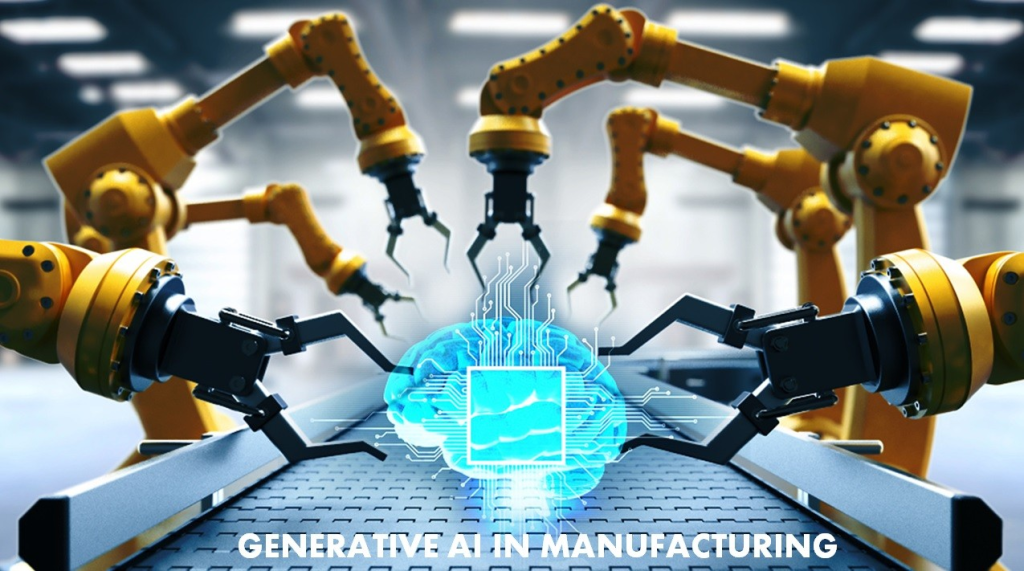
What is Generative AI in Manufacturing?
Generative AI is a subset of artificial intelligence that uses algorithms to generate new content, designs, or ideas based on existing data. In the context of manufacturing, it allows systems to create novel solutions to problems, including product designs, production schedules, and even supply chain optimization. Instead of relying solely on human input, generative AI can analyze large datasets to find patterns, simulate outcomes, and suggest improvements, reducing the time and effort traditionally required in the design and manufacturing process.
In essence, generative AI in manufacturing means machines are not only executing predefined tasks but also proposing new ways to perform them more efficiently. This dynamic approach is transforming how manufacturers approach product development, resource management, and production workflows.
Streamlining Product Design and Development
One of the most significant applications of generative AI in manufacturing is in product design. Traditionally, engineers and designers would create multiple iterations of a product, testing each for efficiency, durability, and performance. This process could be time-consuming and costly. Generative AI, however, speeds up this process by generating thousands of design alternatives in a fraction of the time.
By inputting certain parameters—such as material limitations, performance criteria, and budget constraints—generative AI can produce a wide range of designs for engineers to review. This allows manufacturers to explore design possibilities that may not have been considered, leading to innovative products that are more efficient, cost-effective, and environmentally friendly.
Generative AI in manufacturing enables the creation of optimized designs that use less material while maintaining or even improving product performance. This capability is particularly beneficial in industries that rely heavily on materials and resources, where even small reductions in waste can lead to significant cost savings.
Enhancing Production Efficiency
Production is the backbone of any manufacturing operation, and generative AI is making it more efficient. By using AI algorithms, manufacturers can simulate production processes before they are implemented, identifying potential bottlenecks and inefficiencies in advance. This predictive capability helps in fine-tuning production lines, ensuring that everything runs smoothly.
Generative AI in manufacturing can also automate the scheduling and management of resources. For example, it can predict machine maintenance needs based on historical data, minimizing downtime and reducing the risk of unexpected breakdowns. Similarly, it can optimize labor schedules to ensure that the right number of workers is on hand during peak production periods, further enhancing efficiency.
In addition to these benefits, generative AI can help manufacturers manage energy consumption more effectively. By analyzing data from production equipment, it can identify energy-saving opportunities, resulting in lower operational costs and a smaller carbon footprint.
Supply Chain Optimization
A well-functioning supply chain is crucial for manufacturing success. However, managing supply chains can be complex due to various factors like demand fluctuations, raw material availability, and transportation delays. Generative AI in manufacturing offers powerful tools to tackle these challenges.
By analyzing historical data and current market trends, generative AI can forecast demand more accurately. This allows manufacturers to adjust their supply chains proactively, ensuring that they have the right materials in place when needed. Additionally, AI-driven systems can optimize inventory levels, reducing the risk of overstocking or running out of critical materials.
Generative AI also helps in predicting potential disruptions in the supply chain, such as delays in shipping or changes in supplier performance. With this foresight, manufacturers can make more informed decisions, reroute shipments, or find alternative suppliers before any issues escalate.
Customization and Personalization
Generative AI in manufacturing is making mass customization a reality. Consumers are increasingly seeking personalized products, and manufacturers are responding by offering more customized solutions. With generative AI, manufacturers can quickly adapt designs and production processes to meet specific customer demands without sacrificing efficiency or increasing costs significantly.
For instance, generative AI can modify product designs based on individual preferences or requirements, such as size, color, or functionality. This flexibility allows manufacturers to offer customized products at scale, creating a more engaging customer experience while maintaining profitability.
Quality Control and Predictive Maintenance
Maintaining high-quality standards is critical in manufacturing, and generative AI plays a vital role in ensuring that products meet these standards. By analyzing data from sensors and production equipment, generative AI can detect potential defects early in the production process. This allows manufacturers to address issues before they escalate, reducing waste and ensuring that only top-quality products leave the factory floor.
Moreover, generative AI in manufacturing enhances predictive maintenance by analyzing equipment performance and identifying patterns that indicate an impending breakdown. This proactive approach minimizes downtime and extends the lifespan of machinery, which can lead to significant cost savings over time.
Future Prospects of Generative AI in Manufacturing
As generative AI continues to evolve, its role in manufacturing will likely expand. Future developments may include even more sophisticated AI algorithms capable of autonomously managing entire production processes with minimal human intervention. Additionally, advancements in data analytics and machine learning will enable generative AI to provide deeper insights into manufacturing operations, helping companies further optimize their processes and improve overall efficiency.
Generative AI will also continue to drive innovation in product design, allowing manufacturers to push the boundaries of what is possible. The ability to generate complex designs that maximize performance while minimizing costs will be a competitive advantage in industries that are constantly seeking to innovate.
Conclusion
Generative AI in manufacturing is transforming how products are designed, produced, and delivered. By streamlining processes, optimizing resource management, and enhancing innovation, generative AI is helping manufacturers improve efficiency and stay competitive in a rapidly changing market. As this technology continues to advance, its impact on manufacturing will only grow, paving the way for smarter, more efficient production methods that benefit businesses and consumers alike.
 Tech Consultancy Blogs
Leave a comment