Introduction
In today’s rapidly evolving business landscape, the integration of technology in human resource management has become essential. Among the most transformative technologies is generative AI in human resource management. This innovative technology is reshaping how HR professionals recruit, manage, and retain talent, offering numerous advantages that streamline processes and enhance decision-making.
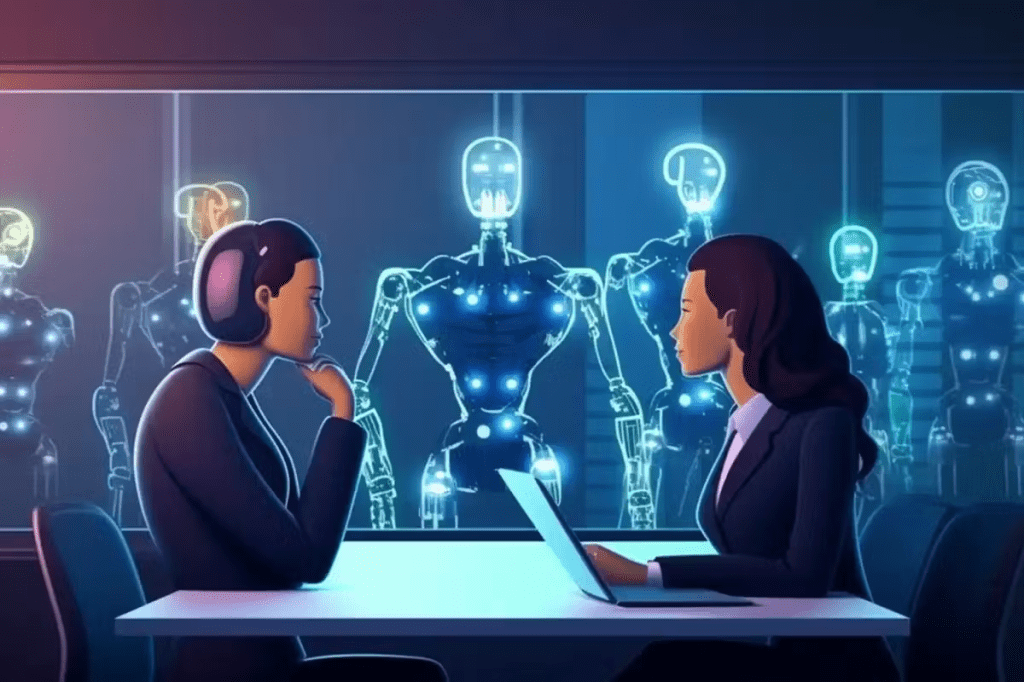
Understanding Generative AI in Human Resource
Generative AI refers to artificial intelligence systems that can create content, generate insights, and mimic human-like responses. In the context of human resources, this technology can analyze vast amounts of data, automate tasks, and provide personalized experiences for both employees and candidates. By leveraging generative AI in human resource processes, organizations can significantly improve their efficiency and effectiveness.
Enhancing Recruitment Processes
One of the most significant applications of generative AI in human resource management is in recruitment. Traditional recruitment processes often involve sifting through hundreds or even thousands of resumes, which can be time-consuming and prone to bias. Generative AI can streamline this process by analyzing candidates’ resumes and matching them against job descriptions. This allows HR professionals to focus on the most qualified candidates, saving time and resources.
Additionally, generative AI can assist in creating job descriptions that attract diverse talent. By analyzing industry trends and language patterns, AI can generate compelling and inclusive job postings, which can lead to a broader applicant pool. This helps organizations to build more diverse teams, which is essential for fostering innovation and creativity in the workplace.
Improving Employee Engagement and Retention
Another significant advantage of generative AI in human resource management is its ability to enhance employee engagement. By utilizing AI-driven tools, HR professionals can gather real-time feedback from employees, analyze their sentiments, and identify areas for improvement. This data-driven approach allows organizations to create a positive work environment that caters to employees’ needs and expectations.
Moreover, generative AI can help in developing personalized learning and development plans for employees. By assessing individual skill sets, career goals, and performance metrics, AI can generate tailored training programs that promote growth and advancement. This not only boosts employee morale but also increases retention rates, as employees feel valued and supported in their career paths.
Streamlining Performance Management
Generative AI in human resource management also plays a crucial role in performance management. Traditional performance reviews often rely on subjective evaluations, which can lead to inconsistencies and biases. By incorporating AI-driven analytics, organizations can create a more objective and data-driven approach to performance assessments.
AI can analyze various performance metrics, including productivity, collaboration, and goal achievement, to provide a comprehensive view of an employee’s performance. This allows HR professionals to identify high performers, address any performance gaps, and implement strategies for improvement. Furthermore, generative AI can assist in setting realistic and achievable goals for employees, fostering a culture of accountability and continuous improvement.
Enhancing Diversity and Inclusion Efforts
Diversity and inclusion have become critical priorities for organizations worldwide. Generative AI in human resource management can play a vital role in promoting diversity by eliminating bias in hiring and promotion processes. AI algorithms can be trained to recognize and mitigate biases in job descriptions, candidate evaluations, and performance assessments.
By using generative AI to analyze data related to employee demographics, organizations can identify areas where diversity is lacking and develop targeted initiatives to address these gaps. This data-driven approach ensures that diversity and inclusion efforts are grounded in measurable outcomes, ultimately leading to a more equitable workplace.
Challenges and Considerations
While the benefits of generative AI in human resource management are substantial, there are also challenges and ethical considerations to address. Data privacy is a significant concern, as organizations must ensure that they handle employee information responsibly and in compliance with relevant regulations. Additionally, reliance on AI can lead to unintended biases if the algorithms are not appropriately designed and monitored.
Organizations must also consider the potential impact on the workforce. While generative AI can automate many tasks, it is crucial to balance automation with the human touch. HR professionals should focus on leveraging AI to enhance their capabilities rather than replace them. This means investing in training and upskilling HR teams to work effectively alongside AI tools.
Conclusion
Generative AI in human resource management is revolutionizing the way organizations approach recruitment, employee engagement, performance management, and diversity initiatives. By harnessing the power of this technology, HR professionals can streamline processes, make data-driven decisions, and create a more inclusive workplace.
However, it is essential to approach the implementation of generative AI thoughtfully, considering the ethical implications and ensuring a balance between technology and human interaction. As organizations continue to embrace this innovative technology, the future of human resource management looks promising, with generative AI leading the way toward greater efficiency and effectiveness.
 Tech Consultancy Blogs
Leave a comment