Introduction
The advent of artificial intelligence (AI) has brought remarkable changes to various industries, and human resources (HR) is no exception. Generative AI in HR operations is now reshaping how companies manage everything from talent acquisition to employee engagement. This cutting-edge technology is not only making HR processes more efficient but also helping organizations make more informed decisions. In this article, we’ll explore how generative AI is revolutionizing HR operations and what it means for the future of work.
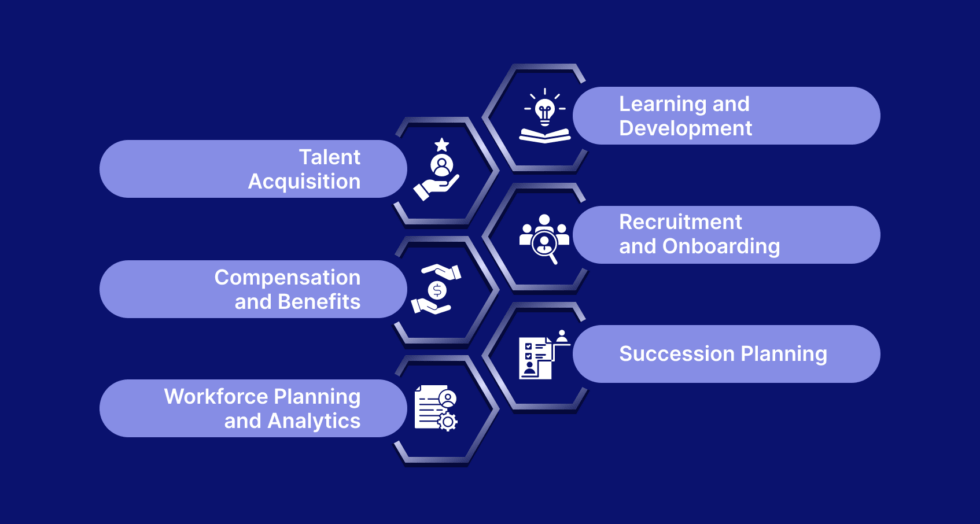
Streamlining Talent Acquisition
One of the most significant applications of generative AI in HR operations is talent acquisition. Traditional methods of recruiting are often time-consuming and labor-intensive, but generative AI can streamline this process. AI-powered tools can sift through vast amounts of data, such as resumes and job applications, to identify the most qualified candidates quickly and accurately.
Generative AI systems can also assist in crafting personalized job descriptions that attract the right kind of applicants. These systems analyze data trends from successful hires to generate descriptions that are more likely to resonate with the desired candidate pool. By doing so, HR professionals can focus more on high-value tasks like interviews and relationship-building, instead of spending countless hours manually reviewing resumes.
Enhancing Employee Onboarding
The onboarding process is another area where generative AI in HR operations is making a significant impact. New employees often face challenges when joining an organization, including understanding the company’s culture, policies, and procedures. AI can create personalized onboarding experiences that cater to individual learning styles and preferences.
For instance, generative AI can develop customized training materials, simulate onboarding scenarios, or answer employee questions in real-time. This ensures that employees can get up to speed faster and feel more connected to their new work environment. The automation of routine onboarding tasks also frees up HR teams to focus on mentoring and supporting new hires in more meaningful ways.
Boosting Employee Engagement and Retention
Keeping employees engaged is essential for fostering a productive and motivated workforce. Generative AI in HR operations offers new ways to boost employee engagement through continuous feedback mechanisms and predictive analytics. AI can analyze employee performance data, engagement surveys, and even social interactions within the company to detect early signs of disengagement or dissatisfaction.
With these insights, HR teams can proactively address potential issues before they escalate. For example, AI might recommend personalized career development opportunities, training programs, or even wellness initiatives tailored to an individual’s needs. This kind of targeted approach can greatly improve employee satisfaction and retention rates, reducing the costs associated with turnover.
Personalizing Learning and Development
Generative AI is also transforming how organizations approach employee learning and development. Traditional training programs are often one-size-fits-all, but with AI, learning can be highly personalized. Generative AI in HR operations allows companies to design customized learning pathways that align with each employee’s unique skills, career goals, and learning preferences.
AI tools can continuously assess employee performance and adapt training materials in real-time to ensure relevance and effectiveness. Whether it’s through interactive simulations, microlearning modules, or AI-generated quizzes, employees can engage in more dynamic and impactful training experiences. This kind of personalized learning not only improves skill development but also boosts overall job satisfaction.
Improving Workforce Planning
Effective workforce planning is critical for long-term organizational success, and generative AI in HR operations is helping companies make better-informed decisions in this area. AI can analyze vast amounts of data, including market trends, employee demographics, and business forecasts, to predict future workforce needs. This enables HR teams to identify potential talent gaps, forecast recruitment needs, and create more agile staffing plans.
For instance, generative AI can help HR professionals simulate different workforce scenarios, such as the impact of an economic downturn or the introduction of new technologies. These simulations allow organizations to prepare for various possibilities, ensuring they have the right people in place when needed. As a result, workforce planning becomes a more strategic, data-driven process that supports long-term business goals.
Automating Administrative Tasks
HR departments often handle a multitude of administrative tasks, from payroll processing to benefits administration. Generative AI in HR operations can automate many of these routine processes, freeing up HR professionals to focus on more strategic initiatives. AI-powered chatbots, for example, can assist employees with frequently asked questions about benefits, leave policies, or payroll issues, reducing the need for HR intervention.
Moreover, generative AI systems can handle complex data analysis tasks, such as monitoring compliance with labor laws or tracking employee attendance. By automating these processes, HR teams can ensure greater accuracy and efficiency, minimizing the risk of errors or delays. This level of automation allows HR departments to operate more smoothly, leading to better employee experiences and more efficient operations overall.
Promoting Diversity and Inclusion
Diversity and inclusion are critical for fostering innovation and ensuring equal opportunities within organizations. Generative AI in HR operations is playing a role in promoting these values by reducing unconscious bias in recruitment and performance evaluations. AI algorithms can be programmed to focus purely on the skills, experience, and qualifications of candidates, rather than factors that might trigger bias, such as gender, ethnicity, or age.
Additionally, AI can analyze patterns of diversity within a company and suggest areas for improvement. For example, it might highlight departments or teams where representation is lacking and recommend targeted recruitment strategies. By leveraging AI in this way, HR teams can create more equitable and inclusive workplaces, which benefits both employees and the organization as a whole.
Conclusion
Generative AI in HR operations is rapidly transforming the way organizations manage their most valuable resource—people. From streamlining talent acquisition to personalizing employee development, AI-powered solutions are making HR processes more efficient, data-driven, and personalized. By embracing generative AI, HR departments can not only reduce their administrative burden but also play a more strategic role in shaping the future of work.
As generative AI continues to evolve, its applications in HR operations will undoubtedly expand, offering new ways to improve workforce management, employee engagement, and organizational efficiency. For businesses that want to stay competitive, integrating generative AI into HR operations is no longer a luxury—it’s a necessity.
 Tech Consultancy Blogs
Leave a comment