Introduction
Artificial Intelligence (AI) is revolutionizing numerous industries, and healthcare is at the forefront of this technological transformation. The integration of AI in healthcare enhances diagnostic accuracy, streamlines operations, and improves patient outcomes. As the healthcare landscape continues to evolve, understanding the role of AI in healthcare is crucial for both professionals and patients alike.
What is AI in Healthcare?
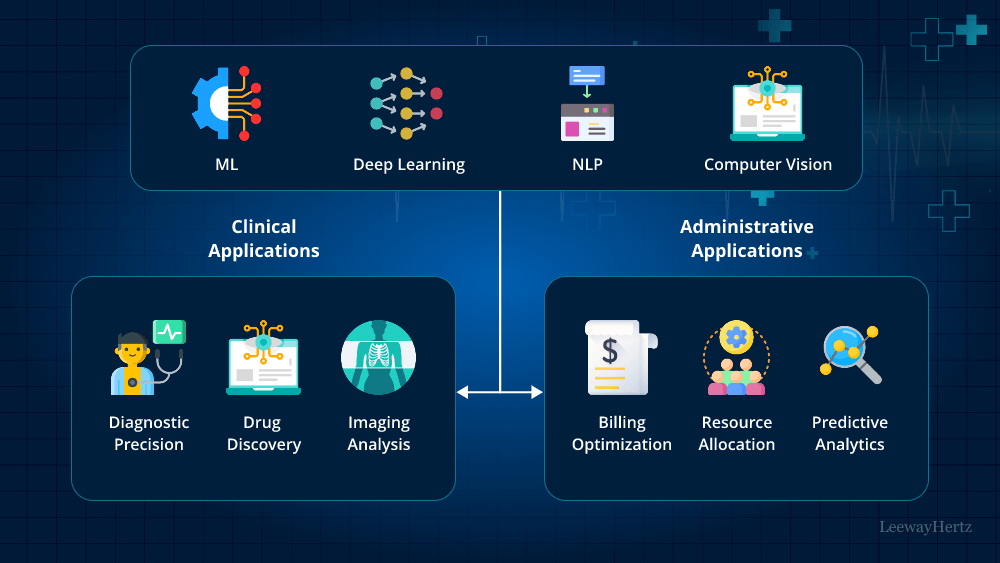
AI in healthcare refers to the use of machine learning algorithms and software to analyze complex medical data. It encompasses various applications, from predictive analytics to personalized medicine, enhancing the overall quality of care. By utilizing vast amounts of data from electronic health records, clinical trials, and genomic research, AI can assist healthcare providers in making informed decisions.
Enhancing Diagnostics with AI
One of the most significant contributions of AI in healthcare is its ability to improve diagnostic accuracy. Traditional diagnostic processes often rely on human interpretation, which can be subject to error. AI algorithms can analyze imaging data, such as X-rays, MRIs, and CT scans, more quickly and accurately than the human eye. By identifying patterns that may be overlooked by medical professionals, AI can help in early disease detection, leading to timely and effective treatments.
For instance, studies have shown that AI systems can match or even surpass the accuracy of radiologists in detecting conditions like pneumonia and certain types of cancer. This capability not only saves time but also increases the likelihood of positive patient outcomes. As healthcare professionals adopt AI tools for diagnostics, they can focus more on patient care, improving the overall patient experience.
Streamlining Administrative Processes
Another vital area where AI in healthcare is making an impact is in the administrative side of medical practices. Healthcare facilities often face challenges such as appointment scheduling, billing, and patient follow-ups. AI-powered solutions can automate these processes, reducing administrative burdens on healthcare providers and allowing them to devote more time to patient care.
By employing chatbots and virtual assistants, healthcare organizations can enhance patient engagement, providing instant responses to common inquiries. This automation not only improves efficiency but also elevates patient satisfaction, as individuals receive timely information and assistance.
Personalized Medicine and Treatment Plans
Personalized medicine is another groundbreaking aspect of AI in healthcare. AI can analyze a patient’s genetic makeup, lifestyle choices, and medical history to create tailored treatment plans. This approach moves away from the one-size-fits-all model, enabling healthcare providers to offer more effective interventions.
For example, AI algorithms can predict how a patient might respond to specific treatments based on their unique genetic profile. This ability to customize care can lead to better outcomes, reduced side effects, and more efficient use of healthcare resources. As the understanding of genetics and AI technology advances, the potential for personalized medicine continues to grow, promising a future of targeted therapies.
Predictive Analytics in Patient Care
AI in healthcare also plays a critical role in predictive analytics, which involves using historical data to forecast future events. By analyzing trends and patterns, AI can help healthcare providers anticipate patient needs, leading to proactive care rather than reactive treatment.
For instance, predictive models can identify patients at high risk of developing chronic conditions, such as diabetes or heart disease. By recognizing these risks early, healthcare providers can implement preventive measures, such as lifestyle interventions and regular monitoring. This shift towards proactive care not only improves patient health but also reduces healthcare costs over time.
Improving Drug Development
The drug development process is notoriously lengthy and costly. AI in healthcare offers innovative solutions to accelerate this process by analyzing vast amounts of data from clinical trials, research studies, and existing medications. By identifying potential drug candidates and predicting their effectiveness, AI can significantly reduce the time it takes to bring new medications to market.
Moreover, AI can assist in identifying suitable patient populations for clinical trials, ensuring that new treatments are tested on the right demographics. This targeted approach not only enhances the likelihood of success but also contributes to more efficient resource allocation in drug development.
Ethical Considerations and Challenges
Despite the numerous benefits of AI in healthcare, ethical considerations and challenges must be addressed. Issues such as data privacy, algorithm bias, and the need for transparency in AI decision-making processes are critical to ensure that AI technologies are implemented responsibly.
Healthcare organizations must prioritize the development of ethical frameworks to govern AI use. This includes establishing guidelines for data handling, ensuring that AI systems are fair and unbiased, and fostering transparency to maintain patient trust. Engaging healthcare professionals, technologists, and ethicists in these discussions is essential for responsible AI deployment.
The Future of AI in Healthcare
Looking ahead, the potential for AI in healthcare is vast. As technology continues to advance, the integration of AI into various aspects of healthcare will only deepen. From enhanced diagnostic tools to more efficient administrative processes and personalized medicine, the future of healthcare is likely to be heavily influenced by AI innovations.
For patients, this means improved care experiences and better health outcomes. For healthcare providers, AI offers the opportunity to enhance their capabilities, streamline operations, and focus more on patient-centered care. As we embrace this technological evolution, ongoing education and collaboration will be essential to harness the full potential of AI in healthcare.
Conclusion
AI in healthcare is transforming the way we approach medical care, diagnostics, and treatment. Its ability to enhance accuracy, streamline operations, and personalize care is paving the way for a more efficient and effective healthcare system. By addressing the ethical challenges and embracing the opportunities presented by AI, the healthcare industry can continue to evolve, ultimately benefiting patients and providers alike. The journey of integrating AI into healthcare is just beginning, and its impact will be felt for generations to come.
 Tech Consultancy Blogs
Leave a comment