Introduction
The fashion industry is rapidly evolving, driven by advancements in technology. Among these innovations, artificial intelligence (AI) in fashion stands out as a transformative force. This article explores various use cases of AI in fashion, its benefits, implementation strategies, and future trends. By understanding how AI is reshaping the fashion landscape, industry stakeholders can harness its potential to enhance creativity and efficiency.
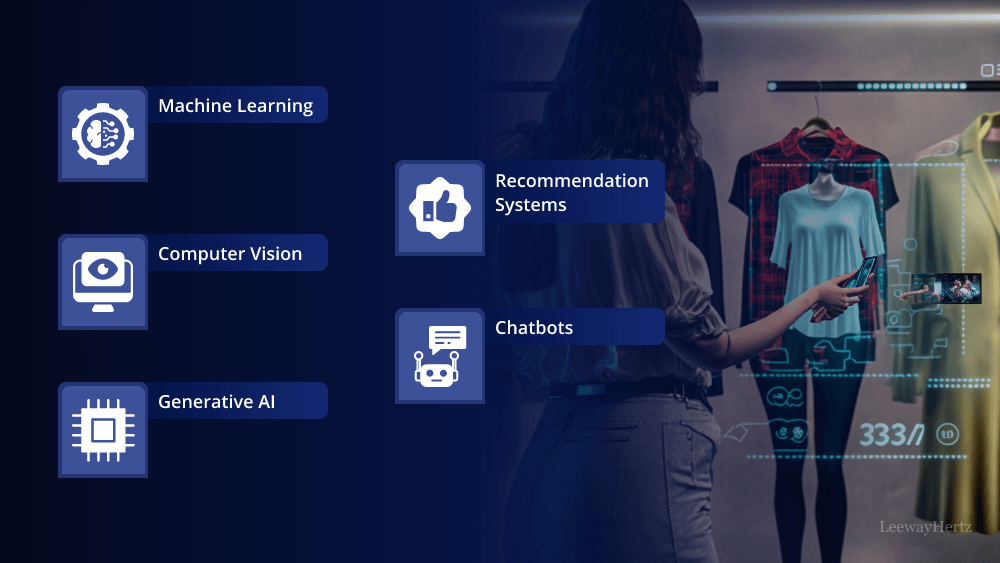
Use Cases of AI in Fashion
AI in fashion has a multitude of applications that enhance various aspects of the industry. One prominent use case is personalized shopping experiences. AI algorithms analyze customer data to offer tailored recommendations, helping consumers find products that align with their tastes and preferences. This personalized approach increases customer satisfaction and boosts sales.
Another significant application is inventory management. AI tools can predict demand patterns, allowing brands to optimize their stock levels. By analyzing historical sales data and current market trends, AI in fashion can reduce overstock and stockouts, leading to more efficient supply chain management.
AI also plays a crucial role in trend forecasting. By analyzing social media, fashion blogs, and online searches, AI algorithms can identify emerging trends. This insight enables designers and retailers to stay ahead of the curve, ensuring they deliver relevant and timely products to consumers.
Additionally, AI-powered chatbots are transforming customer service in the fashion industry. These virtual assistants can handle inquiries, provide product information, and even assist with order tracking. By automating these tasks, brands can improve customer engagement and reduce response times.
Benefits of AI in Fashion
The integration of AI in fashion brings numerous benefits that enhance both operational efficiency and customer experience. One of the most significant advantages is improved decision-making. With access to real-time data and predictive analytics, brands can make informed choices about product development, marketing strategies, and inventory management.
Cost reduction is another key benefit. AI tools streamline processes, reducing the need for manual intervention. For example, automated inventory management can minimize excess stock and associated holding costs. Similarly, AI-driven marketing strategies can lead to more effective advertising campaigns, maximizing return on investment.
Moreover, AI enhances creativity in fashion design. By analyzing vast amounts of data, AI can generate unique design ideas and color palettes. Designers can leverage these insights to push the boundaries of their creativity, resulting in innovative collections that resonate with consumers.
The use of AI in fashion also fosters inclusivity. Algorithms can analyze diverse body shapes and sizes, enabling brands to create more inclusive sizing options. By catering to a broader audience, brands can enhance their market reach and appeal to diverse consumer segments.
Implementation of AI in Fashion
Implementing AI in fashion requires a strategic approach. First, brands must identify specific areas where AI can add value. This involves assessing current operations and pinpointing pain points that AI solutions can address. Once potential use cases are identified, brands can begin to explore available technologies.
Data collection and analysis are crucial for successful AI implementation. Fashion brands need to gather relevant data from various sources, including customer interactions, sales patterns, and market trends. High-quality data is essential for training AI algorithms to deliver accurate insights.
Collaboration with technology partners can also facilitate the implementation process. By working with experts in AI and data analytics, fashion brands can ensure they adopt the right tools and strategies for their unique needs.
Training staff to use AI tools effectively is another important step. Brands must invest in training programs to equip employees with the skills needed to leverage AI technologies fully. This not only enhances the effectiveness of AI solutions but also fosters a culture of innovation within the organization.
Future Trends of AI in Fashion
As AI continues to evolve, several trends are expected to shape the future of AI in fashion. One prominent trend is the increasing use of AI in sustainable fashion. Brands are beginning to leverage AI algorithms to optimize their production processes, reducing waste and energy consumption. By using AI for supply chain optimization, fashion companies can promote environmentally friendly practices and align with consumer demand for sustainability.
Another emerging trend is the rise of virtual fitting rooms powered by AI. These technologies allow customers to virtually try on clothes using augmented reality, enhancing the online shopping experience. As consumers become more accustomed to online shopping, AI-driven fitting rooms will likely become a standard feature, reducing return rates and improving customer satisfaction.
AI in fashion will also continue to enhance personalization. As algorithms become more sophisticated, they will be able to analyze individual preferences and behaviors more accurately. This will lead to even more tailored shopping experiences, fostering brand loyalty and repeat purchases.
Furthermore, the integration of AI with other technologies, such as blockchain and the Internet of Things (IoT), will revolutionize the fashion supply chain. By combining AI’s predictive capabilities with the transparency of blockchain, brands can create more efficient and traceable supply chains. This will empower consumers to make informed purchasing decisions based on ethical and sustainable practices.
Conclusion
AI in fashion is a powerful tool that is transforming the industry in profound ways. From personalized shopping experiences and efficient inventory management to trend forecasting and enhanced customer service, the applications of AI are vast and impactful. As brands continue to implement AI strategies, they will unlock new opportunities for creativity, efficiency, and inclusivity. The future of fashion, shaped by AI, promises to be innovative, sustainable, and deeply connected to consumer needs. By embracing these changes, the fashion industry can thrive in an increasingly competitive landscape.
 Tech Consultancy Blogs
Leave a comment