Artificial Intelligence (AI) has emerged as one of the most transformative technologies in banking and finance. As financial institutions strive to enhance customer experiences, reduce costs, and increase efficiency, AI offers innovative solutions that reshape the industry. From risk management to personalized customer services, AI in banking and finance is driving new trends, ensuring businesses remain competitive in a rapidly evolving digital landscape.
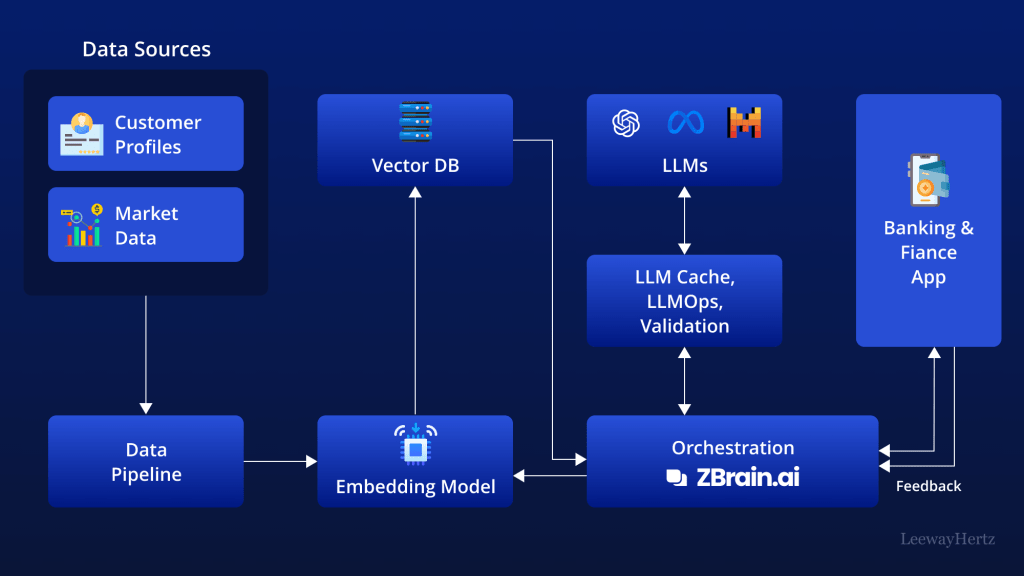
The Role of AI in Banking and Finance
AI is playing a pivotal role in transforming traditional banking and finance operations. By leveraging data, machine learning algorithms, and advanced analytics, AI can perform complex tasks that were once handled by human professionals. Whether it’s automating routine tasks or offering insightful financial analysis, AI has become an essential component of modern banking and finance systems.
In banking, AI helps streamline processes such as loan approvals, fraud detection, and customer service. It enables institutions to process large amounts of data quickly, providing accurate predictions and identifying potential risks. For finance professionals, AI delivers faster and more accurate investment insights, supporting better decision-making in portfolio management and trading.
Enhanced Customer Experience
One of the most visible impacts of AI in banking and finance is the improvement in customer service. With the use of AI-powered chatbots and virtual assistants, financial institutions can offer 24/7 customer support. These virtual assistants are capable of answering queries, assisting with transactions, and providing personalized financial advice based on the customer’s transaction history.
AI algorithms can also track customer behavior, allowing banks to offer personalized product recommendations. This enhances the customer experience by making financial services more tailored and relevant. Whether it’s suggesting savings plans or recommending investment opportunities, AI makes financial advice more accessible to the average consumer.
Fraud Detection and Risk Management
The banking and finance sector is highly susceptible to fraud, but AI is providing new ways to address this challenge. AI systems can monitor financial transactions in real-time, identifying unusual patterns that may indicate fraudulent activity. By analyzing vast amounts of data, these systems can detect subtle anomalies that human analysts might miss.
AI in banking and finance also aids in risk management. Machine learning models can analyze market data, economic indicators, and customer behavior to predict potential risks. This allows financial institutions to take proactive steps to mitigate those risks, safeguarding both the institution and its customers. With AI’s ability to process massive datasets and spot trends that humans might overlook, it becomes a powerful tool for ensuring financial stability.
Automating Routine Tasks
Another key benefit of AI in banking and finance is the automation of routine tasks. Tasks such as data entry, document verification, and transaction processing can be fully automated with the help of AI, reducing human error and increasing efficiency. Automation allows financial institutions to focus on more strategic initiatives while ensuring operational processes are streamlined.
AI-driven automation also extends to regulatory compliance, a critical area for banks and financial firms. AI can help ensure compliance by automatically reviewing transactions and identifying any that may violate regulations. This not only saves time but also minimizes the risk of costly fines or legal issues.
AI in Investment Management
Investment management is another area where AI is making a significant impact. AI tools can analyze historical data, identify market trends, and make predictions about future stock movements. This enables investors to make more informed decisions, potentially leading to higher returns.
AI-driven platforms are increasingly being used to create personalized investment portfolios. These platforms assess an individual’s financial goals, risk tolerance, and market conditions to provide customized investment advice. As a result, AI helps both novice and experienced investors navigate the complex world of finance with greater confidence.
AI in Lending and Credit Scoring
AI is also transforming the lending process, making it faster and more accessible for consumers. Traditionally, loan approvals involved lengthy procedures, including credit checks and income verification. However, AI in banking and finance has streamlined this process by quickly analyzing a person’s financial data and determining their creditworthiness.
AI algorithms can assess alternative data points such as social media activity, spending habits, and online behavior to give a more holistic view of an applicant’s financial situation. This has opened up lending opportunities for individuals who may not have a strong credit history but are otherwise reliable borrowers. Moreover, AI helps minimize the risk for lenders by providing accurate predictions of a borrower’s ability to repay the loan.
Challenges of AI in Banking and Finance
While the benefits of AI in banking and finance are significant, there are also challenges. One of the biggest concerns is data privacy. Financial institutions handle sensitive customer information, and AI systems require access to large datasets to function effectively. Ensuring that customer data is protected and used ethically is critical.
Another challenge is the potential job displacement caused by automation. As AI takes over routine tasks, some jobs in banking and finance may become obsolete. However, many experts argue that AI will create new opportunities, as the workforce shifts to more complex, analytical roles that AI cannot easily perform.
The Future of AI in Banking and Finance
As AI continues to evolve, its applications in banking and finance will only grow. Advancements in machine learning, natural language processing, and predictive analytics will lead to even more sophisticated AI solutions. Financial institutions that invest in AI technology will likely have a competitive edge, offering faster, more efficient services to their customers.
In the future, we can expect AI to play an even greater role in financial planning, wealth management, and personalized banking. By harnessing the power of AI, financial institutions can stay ahead of the curve and meet the demands of a tech-savvy, increasingly digital world.
Conclusion
AI in banking and finance is revolutionizing the industry by providing faster, more personalized services, improving fraud detection, and optimizing investment strategies. From enhancing customer experiences to automating routine tasks, AI has become an indispensable tool for financial institutions. As the technology continues to develop, its role in transforming banking and finance will only become more profound, driving efficiency and innovation throughout the sector.
Financial institutions that embrace AI will be well-positioned to succeed in the digital age, offering cutting-edge services that cater to the evolving needs of their customers.
 Tech Consultancy Blogs
Leave a comment