Building a GPT model can seem daunting, but with the right approach and understanding, it becomes an achievable task. This article will guide you through the essential steps needed to build a GPT model from scratch.
Understanding the Basics of GPT
Before diving into the technical aspects, it’s crucial to grasp what a GPT model is. GPT, or Generative Pre-trained Transformer, is a type of language model that generates human-like text based on the input it receives. These models are pre-trained on vast amounts of text data, enabling them to understand context and generate coherent sentences.
Prerequisites for Building a GPT Model
To build a GPT model, you need a basic understanding of programming, machine learning concepts, and some experience with data manipulation. Familiarity with Python is particularly helpful, as many machine learning libraries are based in this language. Additionally, having access to a powerful computing environment, such as a GPU, is beneficial for training the model effectively.
Step 1: Collecting Data
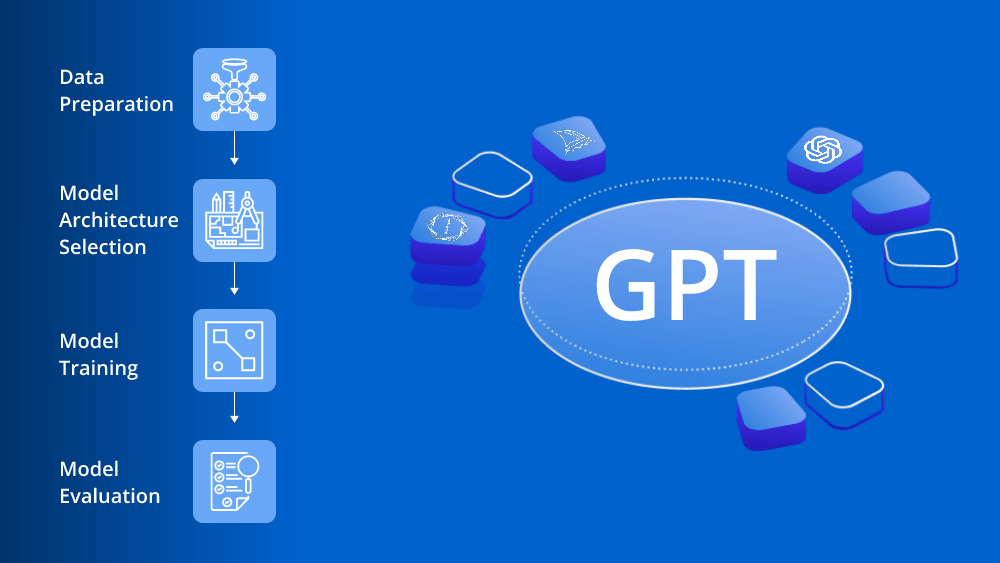
The first step in building a GPT model is data collection. The quality and quantity of your dataset play a significant role in the model’s performance. Aim to gather diverse text data that reflects the language and topics you want the model to understand. Sources can include books, articles, websites, and more. Ensure that your dataset is clean and formatted properly for training.
Step 2: Preprocessing the Data
Once you have your dataset, the next step is preprocessing. This involves cleaning the text, removing unnecessary characters, and tokenizing the words. Tokenization is the process of converting text into smaller pieces, typically words or subwords, which the model will use to learn patterns. Additionally, consider removing stop words and normalizing text to improve efficiency.
Step 3: Setting Up the Environment
To build a GPT model, you need a suitable environment. Install necessary libraries such as TensorFlow or PyTorch, which provide the tools required for building and training machine learning models. Make sure you have the appropriate versions and dependencies to avoid compatibility issues.
Step 4: Designing the Model Architecture
Designing the architecture is a crucial step in building a GPT model. The architecture typically consists of multiple transformer layers, which allow the model to learn complex patterns in the data. Decide on the number of layers, attention heads, and other hyperparameters that suit your needs. Balancing these parameters can significantly affect the model’s ability to generate coherent text.
Step 5: Training the Model
With the architecture in place, you can start training the model. This involves feeding the preprocessed data into the model and adjusting the weights based on the loss function. Training a GPT model can take a considerable amount of time and computational power, especially if your dataset is large. Regularly monitor the training process to ensure that the model is learning effectively.
Step 6: Fine-tuning the Model
After the initial training, fine-tuning is essential for optimizing the model’s performance. This step involves training the model on a specific task or dataset that closely aligns with its intended use. Fine-tuning helps the model adapt better to particular contexts and improves its ability to generate relevant responses.
Step 7: Evaluating the Model
Once you’ve trained and fine-tuned your GPT model, it’s time to evaluate its performance. Use various metrics, such as perplexity and BLEU score, to assess how well the model generates text. You can also conduct qualitative evaluations by manually reviewing the generated outputs. This feedback will help you identify areas for improvement.
Step 8: Deployment
After evaluating and refining your GPT model, the final step is deployment. You can deploy the model as a web service, integrate it into applications, or use it in chatbots. Ensure that the deployment environment can handle the computational demands of the model, especially if it will be used for real-time applications.
Conclusion
Building a GPT model involves several critical steps, from data collection to deployment. By understanding the basics and following this structured approach, you can create a functional and efficient model that generates human-like text. Whether you’re developing applications, enhancing user experiences, or exploring AI, knowing how to build a GPT model opens up a world of possibilities.
 Tech Consultancy Blogs
Leave a comment