Introduction to Generative AI in Logistics
Generative AI in logistics is revolutionizing how supply chains operate, enhancing efficiency and decision-making. By leveraging advanced algorithms and data-driven insights, businesses are finding innovative solutions to traditional challenges. This article explores the various applications, benefits, and future potential of generative AI in logistics.
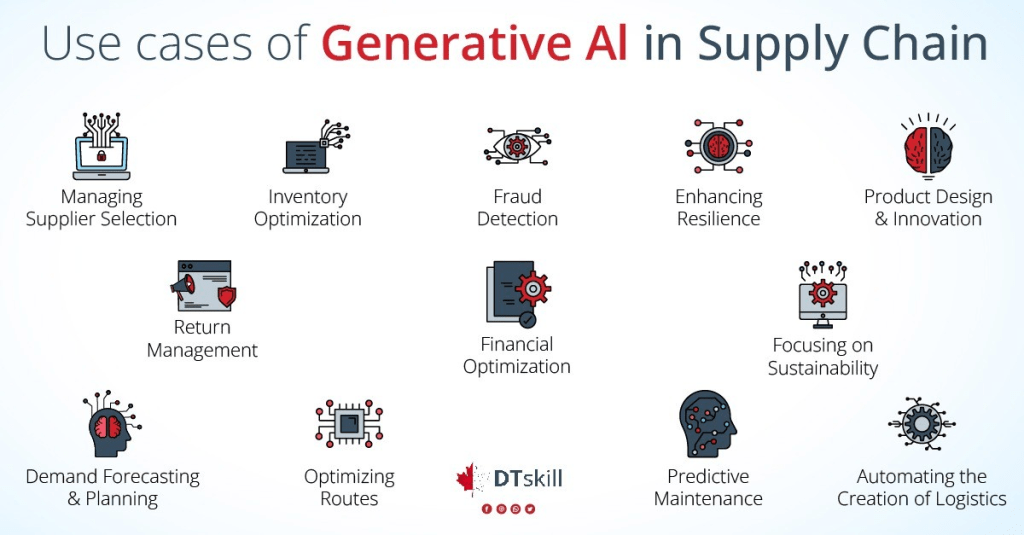
Understanding Generative AI
Generative AI refers to algorithms that can generate new content or data based on existing information. In logistics, this technology can create models, forecasts, and even design solutions that optimize operations. Unlike conventional AI that mainly analyzes data, generative AI adds a creative dimension, enabling more adaptive and responsive logistics strategies.
Key Applications of Generative AI in Logistics
1. Demand Forecasting
Accurate demand forecasting is crucial for efficient inventory management. Generative AI in logistics enhances forecasting by analyzing historical data, market trends, and external factors. By predicting future demand with higher accuracy, companies can reduce excess inventory and minimize stockouts, leading to better customer satisfaction.
2. Route Optimization
Transportation is a significant component of logistics costs. Generative AI can analyze various factors such as traffic patterns, weather conditions, and delivery schedules to generate optimized routes. This not only saves time and fuel but also reduces emissions, making logistics operations more sustainable.
3. Warehouse Management
Generative AI in logistics also plays a vital role in warehouse management. By simulating various layout configurations and operational workflows, businesses can determine the most efficient setups. This leads to improved space utilization, reduced picking times, and overall enhanced productivity.
4. Risk Management
Logistics is inherently subject to various risks, including supply chain disruptions, natural disasters, and geopolitical issues. Generative AI can assess potential risks and generate contingency plans, enabling companies to respond swiftly to unforeseen challenges. This proactive approach minimizes downtime and ensures continuity.
5. Product Design and Customization
Generative AI isn’t just about logistics processes; it can also influence product design. By analyzing customer preferences and feedback, businesses can create customized products that better meet market demands. This capability streamlines the logistics of product development and distribution, ensuring that offerings align with customer expectations.
Benefits of Generative AI in Logistics
Enhanced Efficiency
The primary benefit of integrating generative AI in logistics is improved efficiency across the supply chain. Automated processes reduce manual errors, streamline workflows, and save valuable time. Companies can focus on strategic initiatives rather than routine tasks.
Cost Reduction
By optimizing routes, inventory levels, and warehouse operations, generative AI significantly cuts costs. Reduced fuel consumption, lower storage expenses, and minimized labor costs contribute to overall savings, which can be reinvested into further innovation.
Improved Decision-Making
Generative AI provides actionable insights derived from data analysis. This empowers logistics managers to make informed decisions, quickly adapting to changing circumstances. Enhanced decision-making leads to better resource allocation and strategic planning.
Greater Flexibility
The dynamic nature of logistics requires adaptability. Generative AI allows businesses to simulate various scenarios, providing the flexibility to adjust operations as needed. This adaptability is crucial in an ever-evolving market landscape.
Challenges of Implementing Generative AI in Logistics
Data Quality
The effectiveness of generative AI relies heavily on data quality. Inaccurate or incomplete data can lead to flawed predictions and decisions. Therefore, organizations must invest in data management systems to ensure reliable inputs for AI models.
Integration with Existing Systems
Integrating generative AI with existing logistics systems can be complex. Companies must ensure compatibility and seamless operation across various platforms, which may require significant upfront investment in technology and training.
Resistance to Change
Implementing generative AI often encounters resistance from employees accustomed to traditional methods. Effective change management strategies, including training and communication, are essential to foster acceptance and maximize the benefits of this technology.
The Future of Generative AI in Logistics
As technology continues to evolve, the potential of generative AI in logistics is immense. Future developments may include enhanced machine learning models, better integration with Internet of Things (IoT) devices, and more sophisticated predictive analytics. These advancements promise to further streamline logistics processes, making them faster, smarter, and more efficient.
Conclusion
Generative AI in logistics is paving the way for a transformative approach to supply chain management. By enhancing efficiency, reducing costs, and improving decision-making, this technology is set to redefine industry standards. As businesses continue to explore its capabilities, the future of logistics looks promising, with generative AI leading the charge toward greater innovation and effectiveness. Embracing this technology will be essential for companies aiming to thrive in a competitive landscape.
 Tech Consultancy Blogs
Leave a comment