Introduction to AI in Media and Entertainment
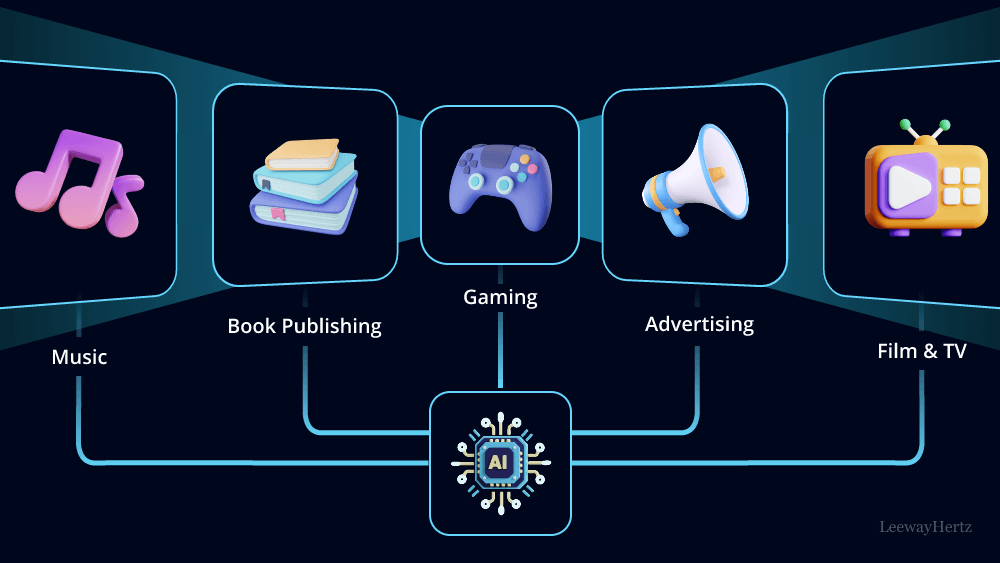
Artificial intelligence (AI) is transforming various sectors, and one of the most exciting areas of this evolution is media and entertainment. As technology advances, AI is reshaping how content is created, distributed, and consumed. From enhancing production processes to personalizing viewer experiences, the integration of AI in media and entertainment is revolutionizing the industry.
Content Creation Revolutionized
One of the most significant impacts of AI in media and entertainment is in content creation. Traditionally, producing films, music, and other media forms required extensive human labor and creativity. However, with the advent of AI, tools are now available that can analyze vast amounts of data to identify trends and preferences. This allows creators to develop content that resonates with audiences more effectively.
AI-driven algorithms can assist in scriptwriting, generating plot ideas, and even composing music. These tools analyze successful patterns from existing works and suggest elements that might attract viewers. By leveraging AI, creators can experiment with innovative concepts that they may not have considered otherwise.
Streamlining Production Processes
The production process in media and entertainment is often complex and time-consuming. AI in media and entertainment streamlines various stages of production, reducing costs and increasing efficiency. For example, AI tools can help automate video editing, making it faster and more precise. This allows editors to focus on the creative aspects of their work rather than getting bogged down in repetitive tasks.
Moreover, AI can enhance visual effects and animation. By utilizing machine learning, production teams can achieve stunning visuals more quickly. This not only saves time but also opens up new possibilities for storytelling through improved visual fidelity.
Personalizing User Experiences
One of the most appealing aspects of AI in media and entertainment is its ability to personalize user experiences. Streaming platforms use AI algorithms to analyze viewing habits and preferences, curating content recommendations that align with individual tastes. This personalization enhances user engagement and satisfaction, ultimately leading to increased subscriptions and viewer loyalty.
Furthermore, AI can create tailored marketing campaigns that target specific demographics based on their interests and behaviors. By understanding what content resonates with different audience segments, media companies can craft messages that drive engagement and conversions.
Enhancing Accessibility
AI in media and entertainment is also making content more accessible to diverse audiences. Technologies like automated captioning and audio descriptions help ensure that individuals with disabilities can enjoy films and shows. AI algorithms can quickly transcribe dialogue and provide descriptions of visual elements, making it easier for everyone to participate in the media experience.
Additionally, AI can facilitate translations, allowing content to reach a broader global audience. By breaking down language barriers, media and entertainment companies can expand their reach and connect with viewers from different cultures.
Addressing Ethical Considerations
As AI continues to shape media and entertainment, ethical considerations must be addressed. The use of AI-generated content raises questions about copyright, authenticity, and the potential for misinformation. Media companies must navigate these challenges carefully to maintain trust and integrity in their offerings.
Moreover, the reliance on AI algorithms can inadvertently perpetuate biases present in the training data. It’s essential for creators and companies to ensure that their AI tools are trained on diverse datasets to produce fair and inclusive outcomes.
The Future of AI in Media and Entertainment
The future of AI in media and entertainment holds immense potential. As technology continues to evolve, we can expect even more innovative applications. From virtual reality experiences enhanced by AI to more sophisticated content analysis tools, the possibilities are endless.
AI could also play a crucial role in audience engagement through interactive storytelling. Imagine a narrative that adapts based on viewer choices, powered by AI. This could revolutionize how stories are told and experienced, creating a more immersive entertainment landscape.
Conclusion
In conclusion, AI in media and entertainment is ushering in a new era of creativity, efficiency, and accessibility. From enhancing content creation and streamlining production to personalizing user experiences, the impact of AI is profound. As the industry continues to embrace these technologies, the possibilities for innovation are vast. While challenges remain, the future of media and entertainment looks promising, driven by the exciting advancements in artificial intelligence.
 Tech Consultancy Blogs
Leave a comment