Introduction to Generative AI in Healthcare
Generative AI in healthcare is transforming the landscape of medical practices, research, and patient care. By leveraging advanced algorithms and machine learning techniques, generative AI can create new content, analyze vast datasets, and assist healthcare professionals in making informed decisions. This technology has the potential to revolutionize how healthcare is delivered, making it more efficient, personalized, and accessible.
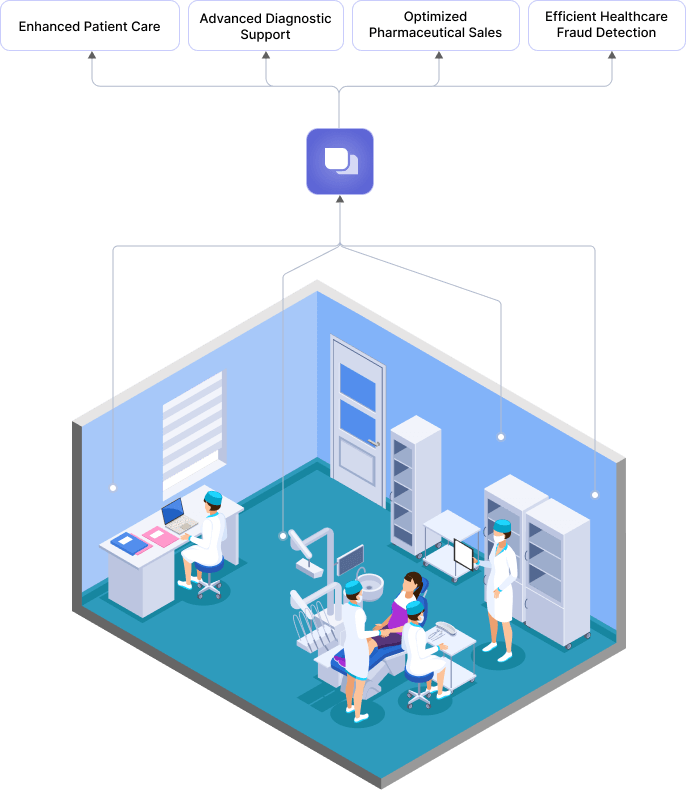
Understanding Generative AI
Generative AI refers to a class of artificial intelligence that can generate new data from existing datasets. Unlike traditional AI, which focuses on classification or prediction, generative AI can produce original content such as images, text, and even complex medical reports. This capability is particularly valuable in healthcare, where the ability to analyze and synthesize information can lead to improved patient outcomes and innovative treatments.
Enhancing Medical Research
One of the most significant applications of generative AI in healthcare is its impact on medical research. Researchers often face challenges when analyzing large datasets, identifying patterns, or generating hypotheses. Generative AI can automate these processes, enabling scientists to focus on developing new therapies and understanding diseases.
For instance, generative AI can help identify genetic markers associated with specific conditions, allowing for more targeted treatments. By simulating how diseases progress, researchers can also test potential interventions in a virtual environment, speeding up the development of new drugs and therapies.
Personalized Patient Care
Generative AI in healthcare also plays a crucial role in personalizing patient care. With the ability to analyze individual patient data, generative AI can assist healthcare providers in tailoring treatments to meet specific needs. This includes recommending personalized medication plans, predicting potential side effects, and even suggesting lifestyle changes based on a patient’s unique genetic makeup and medical history.
By harnessing generative AI, healthcare professionals can improve patient engagement and satisfaction, leading to better health outcomes. This personalized approach ensures that patients receive the right care at the right time, enhancing their overall experience within the healthcare system.
Improving Diagnostic Accuracy
Accurate diagnosis is a cornerstone of effective medical treatment. Generative AI can enhance diagnostic accuracy by analyzing medical images, lab results, and patient history. By training on vast amounts of data, generative AI models can identify subtle patterns that may be overlooked by human experts.
For example, in radiology, generative AI can assist in detecting anomalies in X-rays or MRIs, leading to earlier and more accurate diagnoses. This technology can reduce the risk of misdiagnosis and help healthcare providers make more informed decisions regarding treatment options.
Streamlining Administrative Tasks
In addition to clinical applications, generative AI in healthcare can streamline administrative tasks. Healthcare systems often face challenges related to paperwork, scheduling, and billing. By automating these processes, generative AI can reduce administrative burdens, allowing healthcare providers to focus more on patient care.
For instance, generative AI can generate patient reports, summarize medical histories, and even assist in coding for billing purposes. This not only improves efficiency but also minimizes human error, contributing to a more streamlined healthcare experience for both providers and patients.
Ethical Considerations and Challenges
While the benefits of generative AI in healthcare are promising, it is essential to address the ethical considerations and challenges that accompany its implementation. Concerns around data privacy, consent, and bias in AI algorithms must be carefully managed. Ensuring that generative AI systems are transparent and fair is crucial to building trust among patients and healthcare providers.
Moreover, the integration of generative AI into existing healthcare systems requires thoughtful planning and collaboration among stakeholders. Training healthcare professionals to use these technologies effectively is vital to maximizing their potential while minimizing risks.
The Future of Generative AI in Healthcare
Looking ahead, the potential for generative AI in healthcare continues to grow. As technology evolves, we can expect even more sophisticated applications that enhance research, diagnosis, and patient care. The collaboration between AI and human expertise will be key in driving innovations that can lead to breakthroughs in medical science and improved healthcare delivery.
Generative AI has the capacity to reshape the future of healthcare, making it more efficient, personalized, and accessible. By harnessing the power of this technology, we can improve patient outcomes and ultimately transform the way we approach health and wellness.
Conclusion
Generative AI in healthcare is a transformative force that promises to enhance various aspects of medical practice. From advancing research and personalizing patient care to improving diagnostic accuracy and streamlining administrative tasks, the potential applications are vast and impactful. As we navigate the challenges and ethical considerations associated with this technology, it is crucial to embrace its benefits while ensuring that patient welfare remains at the forefront. The future of healthcare is bright, and generative AI is leading the way.
 Tech Consultancy Blogs
Leave a comment