In today’s digital age, fraud is a growing concern for businesses and individuals alike. As fraudsters become more sophisticated, traditional methods of detection are struggling to keep pace. Enter artificial intelligence (AI) in fraud detection—a game-changing technology that promises to enhance security and safeguard assets. This article explores the impact of AI in fraud detection, how it works, and the benefits it offers.
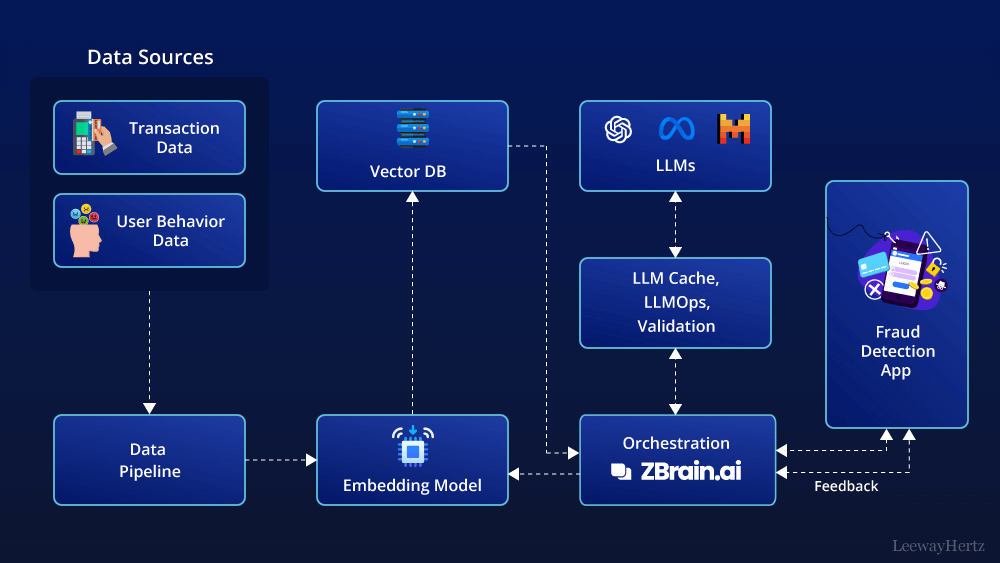
Understanding AI in Fraud Detection
Artificial intelligence (AI) in fraud detection refers to the use of advanced algorithms and machine learning models to identify and prevent fraudulent activities. Unlike traditional systems, which rely heavily on predefined rules and manual checks, AI leverages data-driven insights to detect anomalies and patterns indicative of fraud. By processing vast amounts of data in real-time, AI can quickly identify suspicious behavior that may go unnoticed by human analysts.
How AI Enhances Fraud Detection
- Real-Time Analysis and Alerts
One of the key advantages of AI in fraud detection is its ability to analyze transactions and activities in real-time. Traditional systems often suffer from delays due to batch processing, which can lead to missed opportunities for intervention. AI algorithms, however, continuously monitor and assess data, providing instant alerts for potentially fraudulent activities. This proactive approach significantly reduces the window of opportunity for fraudsters.
- Adaptive Learning and Pattern Recognition
AI systems are designed to learn and adapt over time. As they process more data, they become better at recognizing patterns and distinguishing between legitimate and fraudulent transactions. This adaptive learning capability allows AI in fraud detection to evolve alongside changing fraud tactics, ensuring that the system remains effective even as new methods emerge.
- Minimizing False Positives
A common challenge in fraud detection is the high rate of false positives—innocent transactions flagged as fraudulent. This can lead to customer frustration and operational inefficiencies. AI in fraud detection addresses this issue by using sophisticated algorithms to improve the accuracy of detection. By analyzing historical data and transaction patterns, AI systems can better differentiate between genuine and suspicious activities, reducing the number of false positives.
- Enhanced Risk Assessment
AI-powered systems provide a more nuanced approach to risk assessment. Instead of relying solely on static rules, AI evaluates multiple variables and indicators to assess the risk level of a transaction. This comprehensive analysis helps organizations prioritize their responses and allocate resources more effectively, focusing on high-risk areas while minimizing disruptions to legitimate activities.
Benefits of AI in Fraud Detection
- Increased Efficiency and Speed
AI in fraud detection automates many of the processes that were previously manual and time-consuming. This automation not only speeds up the detection process but also reduces the burden on human analysts, allowing them to focus on more complex cases that require human judgment.
- Scalability
As organizations grow, so does the volume of data they need to monitor. AI systems can easily scale to handle large datasets and high transaction volumes without compromising performance. This scalability ensures that fraud detection remains effective even as the business environment evolves.
- Cost Savings
Implementing AI in fraud detection can lead to significant cost savings. By reducing the need for manual oversight and decreasing the number of false positives, organizations can lower their operational costs. Additionally, the early detection of fraudulent activities helps mitigate financial losses and protect the organization’s reputation.
- Improved Customer Experience
With AI handling the bulk of fraud detection, customers experience fewer disruptions and false alerts. This improved experience leads to higher customer satisfaction and trust, as legitimate transactions are processed smoothly and efficiently.
Challenges and Considerations
While AI in fraud detection offers numerous benefits, it is not without challenges. Data privacy and security are paramount, and organizations must ensure that their AI systems comply with regulations and protect sensitive information. Additionally, the effectiveness of AI depends on the quality and diversity of the data used for training the algorithms. Poor-quality data can lead to inaccurate predictions and reduced efficacy.
Future Trends in AI for Fraud Detection
The future of AI in fraud detection looks promising, with ongoing advancements in technology expected to further enhance its capabilities. Innovations such as deep learning and advanced neural networks are likely to improve the accuracy and efficiency of fraud detection systems. Additionally, the integration of AI with other technologies, such as blockchain, could offer new ways to combat fraud and secure transactions.
Conclusion
AI in fraud detection represents a significant leap forward in the fight against fraudulent activities. By leveraging real-time analysis, adaptive learning, and advanced pattern recognition, AI systems provide a robust and efficient approach to identifying and preventing fraud. While challenges remain, the benefits of AI in fraud detection—such as increased efficiency, scalability, and cost savings—make it a valuable tool for organizations striving to protect their assets and maintain trust. As technology continues to evolve, AI will undoubtedly play an increasingly critical role in safeguarding against fraud and ensuring secure transactions.
 Tech Consultancy Blogs
Leave a comment