Building an AI agent system can seem daunting, but with the right approach, you can create a robust and functional system tailored to your needs. This guide will walk you through the basics of how to build an AI agent system, providing clear and simple steps to follow. Whether you’re a beginner or have some experience in AI, this article will help you understand the process and get started on your AI journey.
What is an AI Agent System?
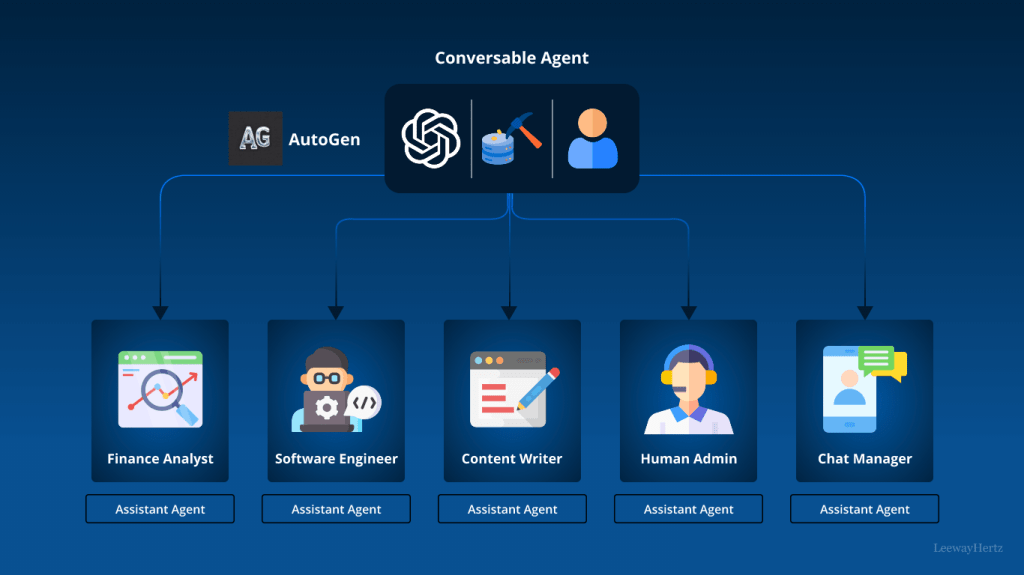
An AI agent system is a software entity that performs tasks autonomously or semi-autonomously using artificial intelligence techniques. These systems are designed to perceive their environment, make decisions, and execute actions to achieve specific goals. Examples include virtual assistants, recommendation engines, and automated trading bots.
Step 1: Define the Purpose and Goals of Your AI Agent System
The first step in how to build an AI agent system is to define its purpose and goals. Ask yourself what problem the AI agent is intended to solve. Will it automate repetitive tasks, assist users with complex decisions, or provide personalized recommendations? Defining clear objectives will guide the development process and help you determine the necessary capabilities of your AI agent.
Step 2: Choose the Type of AI Agent
AI agents can be categorized into several types based on their functionality:
- Reactive Agents: These agents operate based on predefined rules and do not retain historical data. They are simple and suitable for straightforward tasks.
- Model-Based Agents: These agents have an internal model of the environment, allowing them to plan and make decisions based on historical data.
- Goal-Based Agents: These agents use a goal-driven approach, making decisions that help them achieve specific objectives.
- Learning Agents: These agents improve their performance over time by learning from experiences and adapting to new data.
Choose the type of AI agent that aligns with your system’s goals.
Step 3: Select the Right Tools and Technologies
Selecting the right tools and technologies is crucial when learning how to build an AI agent system. Here are some common tools and frameworks:
- Programming Languages: Python is the most popular language for AI development due to its simplicity and extensive libraries like TensorFlow, PyTorch, and Scikit-learn.
- AI Frameworks: Choose frameworks that support the type of AI agent you are building. For deep learning models, TensorFlow and PyTorch are excellent choices, while Scikit-learn is great for classical machine learning algorithms.
- Data Sources: Identify where your AI agent will obtain data from. It could be user input, sensors, APIs, or databases. The quality and quantity of data significantly impact the performance of your AI agent.
Step 4: Design the Architecture of Your AI Agent System
Designing the architecture is a critical step in how to build an AI agent system. This involves outlining how different components of the system will interact with each other. Key components may include:
- Perception Module: Responsible for gathering data from the environment.
- Decision-Making Module: Processes information and makes decisions based on predefined rules or learned models.
- Action Module: Executes the decisions made by the system, interacting with the environment or the user.
Design your system to be modular, allowing for easy updates and maintenance.
Step 5: Develop and Train the AI Models
Once the architecture is in place, the next step in how to build an AI agent system is developing and training the AI models. Depending on your AI agent’s purpose, you may need to build machine learning models, natural language processing models, or reinforcement learning agents.
- Data Preparation: Gather and clean the data required for training your models. Ensure the data is representative of the environment in which the AI agent will operate.
- Model Development: Choose appropriate algorithms and develop the models. For example, use supervised learning for classification tasks or reinforcement learning for decision-making tasks.
- Training and Testing: Train your models using the prepared data and evaluate their performance using testing data. Fine-tune the models to achieve the desired accuracy and efficiency.
Step 6: Integrate and Test the AI Agent System
After developing the AI models, integrate them into your system. Test the system thoroughly to ensure all components work together seamlessly. During this phase, it’s crucial to identify and fix any bugs or performance issues. Testing should cover different scenarios to validate the robustness of the AI agent.
Step 7: Deploy and Monitor Your AI Agent System
The final step in how to build an AI agent system is deploying it in the intended environment. Whether it’s a web application, a mobile app, or a physical robot, ensure the deployment is stable and secure. Continuous monitoring is essential to track the performance of your AI agent and make necessary adjustments. Regular updates and retraining of models will keep your system effective and relevant.
Conclusion
Learning how to build an AI agent system is an exciting and rewarding journey. By following these steps—defining the purpose, choosing the right type of AI agent, selecting tools, designing architecture, developing and training models, integrating and testing, and deploying—you can create a powerful AI agent system tailored to your needs. With the rapid advancements in AI technologies, now is the perfect time to start building your own AI agent system.
 Tech Consultancy Blogs
Leave a comment