Introduction
In today’s fast-paced business environment, maintaining compliance with ever-evolving regulations is a significant challenge. Companies must navigate complex legal landscapes, and manual processes often fall short. Enter AI agents in compliance — intelligent tools that are revolutionizing how businesses manage regulatory requirements. This article explores the role of AI agents in compliance, their benefits, challenges, and future potential.
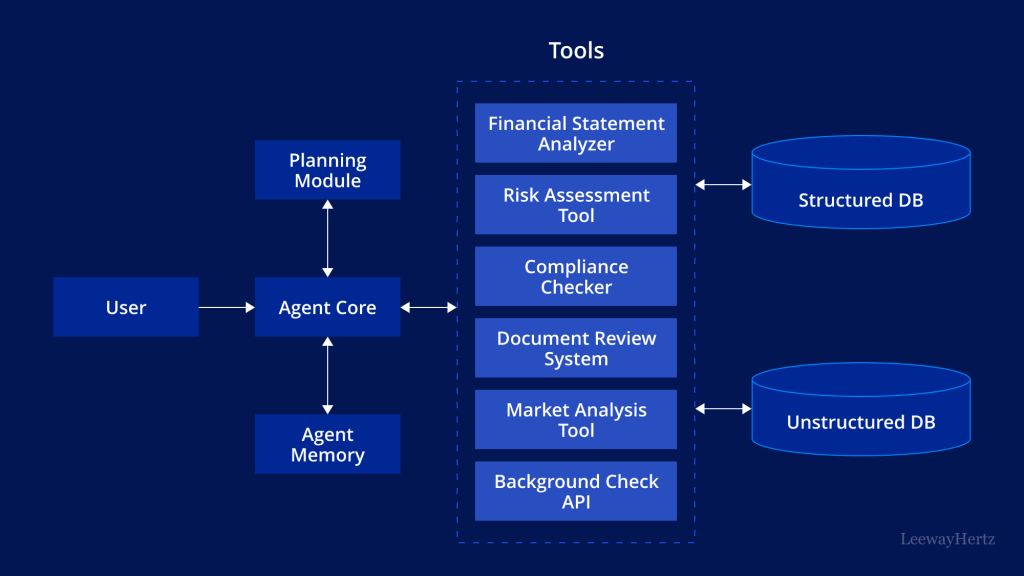
What Are AI Agents in Compliance?
AI agents in compliance are software programs that use artificial intelligence to monitor, assess, and enforce regulatory compliance within organizations. These agents can automate routine tasks, analyze vast amounts of data, and provide insights that help companies adhere to industry regulations. By leveraging technologies like machine learning, natural language processing, and predictive analytics, AI agents can handle complex compliance tasks with efficiency and accuracy.
The Benefits of AI Agents in Compliance
- Enhanced Efficiency and Speed
One of the most significant advantages of using AI agents in compliance is the ability to process large volumes of data quickly. Traditional compliance processes are often slow and labor-intensive, involving manual data entry, document reviews, and audits. AI agents can automate these tasks, significantly reducing the time required to complete them. This not only improves efficiency but also allows compliance teams to focus on more strategic activities.
- Improved Accuracy and Risk Management
AI agents in compliance help minimize human errors, which are common in manual processes. These agents can continuously monitor transactions, communications, and other business activities to detect anomalies or potential violations. By identifying risks in real-time, AI agents enable companies to address issues before they escalate, thus reducing the likelihood of non-compliance and associated penalties.
- Cost Savings
Implementing AI agents in compliance can lead to substantial cost savings. Automation reduces the need for large compliance teams and decreases the hours spent on routine tasks. Moreover, by preventing compliance breaches and the fines that come with them, companies can avoid significant financial losses. The initial investment in AI technology often pays off quickly as businesses experience lower operational costs and fewer compliance failures.
- Scalability and Adaptability
Regulatory requirements vary by industry, location, and business size. AI agents in compliance are highly adaptable and can be scaled to meet the specific needs of different organizations. Whether a company operates in finance, healthcare, or any other regulated sector, AI agents can be tailored to monitor the relevant rules and adjust as regulations change. This adaptability ensures that businesses remain compliant, even as new laws are introduced.
Challenges of AI Agents in Compliance
- Data Privacy Concerns
While AI agents in compliance offer numerous benefits, they also raise concerns about data privacy and security. AI systems require access to sensitive data, and ensuring that this information is handled securely is paramount. Companies must implement robust data protection measures and comply with data privacy laws to prevent breaches and maintain customer trust.
- Implementation and Integration
Deploying AI agents in compliance can be complex, especially for organizations with legacy systems. Integrating AI into existing workflows requires careful planning, and there may be a learning curve for employees. To maximize the effectiveness of AI agents, companies must invest in proper training and change management strategies.
- Dependence on Data Quality
The performance of AI agents in compliance depends heavily on the quality of the data they analyze. Inaccurate or incomplete data can lead to incorrect compliance decisions, undermining the effectiveness of the AI system. Organizations must ensure that their data is clean, accurate, and regularly updated to achieve the best results from AI compliance solutions.
The Future of AI Agents in Compliance
The future of AI agents in compliance looks promising as technology continues to evolve. Advanced AI models are being developed to handle even more complex compliance tasks, such as interpreting legal texts and predicting future regulatory changes. These developments will further empower businesses to stay ahead of compliance requirements.
Moreover, as AI becomes more integrated into compliance functions, we can expect increased collaboration between AI agents and human professionals. Rather than replacing compliance officers, AI agents will serve as valuable tools that augment human capabilities, allowing for more strategic decision-making and better risk management.
Conclusion
AI agents in compliance are transforming the way businesses manage regulatory requirements. By automating routine tasks, improving accuracy, and reducing costs, these intelligent tools offer a powerful solution for navigating the complexities of compliance. However, organizations must also address challenges related to data privacy, integration, and data quality to fully leverage the benefits of AI in compliance.
As technology continues to advance, the role of AI agents in compliance will only grow more critical. Businesses that embrace these innovations will be better positioned to meet regulatory demands, protect their reputations, and achieve long-term success.
 Tech Consultancy Blogs
Leave a comment