Introduction
In today’s rapidly evolving technological landscape, the governance of artificial intelligence (AI) is becoming increasingly critical. Enter AI TRiSM, a framework designed to address the complexities and challenges associated with AI governance. This article explores the concept of AI TRiSM, its importance, and its implications for the future of AI technologies.
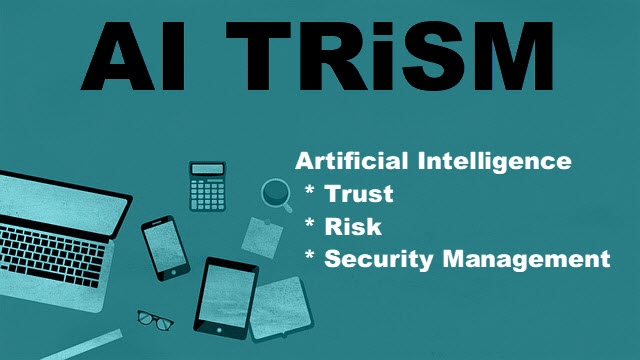
What is AI TRiSM?
AI TRiSM stands for Artificial Intelligence Trust, Risk, and Security Management. It is a framework that focuses on ensuring the responsible and ethical deployment of AI systems. AI TRiSM provides a structured approach to managing the trustworthiness, risks, and security aspects of AI technologies. The framework aims to build confidence in AI systems by addressing various concerns related to their development and deployment.
The Need for AI TRiSM
As AI technologies become more integrated into our daily lives, the need for robust governance mechanisms has never been greater. AI systems are being used in critical areas such as healthcare, finance, and transportation, where their decisions can have significant impacts. Therefore, it is essential to ensure that these systems are reliable, secure, and trustworthy.
AI TRiSM addresses several key issues:
- Trust: AI systems must be transparent and explainable to gain user trust. The AI TRiSM framework emphasizes the need for clear communication about how AI decisions are made and how data is used.
- Risk Management: AI technologies come with inherent risks, including biases and unintended consequences. AI TRiSM provides guidelines for identifying, assessing, and mitigating these risks.
- Security: AI systems are vulnerable to cyber threats. The framework highlights the importance of implementing robust security measures to protect AI systems from attacks and breaches.
Key Components of AI TRiSM
The AI TRiSM framework consists of several core components that work together to ensure effective governance of AI systems:
- Trustworthiness: This component focuses on ensuring that AI systems are reliable and perform as expected. It includes aspects such as accuracy, consistency, and the ability to handle diverse inputs.
- Risk Assessment: AI TRiSM provides tools and methodologies for assessing potential risks associated with AI systems. This includes evaluating the impact of AI decisions on various stakeholders and identifying potential areas of concern.
- Security Protocols: The framework outlines best practices for securing AI systems against cyber threats. This involves implementing measures such as encryption, access controls, and regular security audits.
- Ethical Considerations: AI TRiSM emphasizes the importance of ethical considerations in AI development. This includes addressing issues related to fairness, accountability, and transparency.
- Regulatory Compliance: The framework guides organizations in adhering to relevant laws and regulations governing AI. This ensures that AI systems are developed and deployed in accordance with legal requirements.
Implementing AI TRiSM in Organizations
For organizations looking to adopt AI TRiSM, there are several steps to consider:
- Develop a Governance Strategy: Organizations should create a comprehensive strategy that outlines how they will address trust, risk, and security concerns related to their AI systems.
- Engage Stakeholders: Involve various stakeholders, including technical experts, ethicists, and legal professionals, in the governance process. This ensures a well-rounded approach to managing AI systems.
- Monitor and Evaluate: Regularly monitor and evaluate AI systems to ensure they continue to meet trust, risk, and security standards. This includes conducting periodic audits and assessments.
- Stay Updated: AI technologies and regulations are constantly evolving. Organizations should stay informed about the latest developments and update their AI TRiSM practices accordingly.
The Future of AI TRiSM
As AI continues to advance, the importance of frameworks like AI TRiSM will only grow. The framework provides a proactive approach to managing the complexities associated with AI technologies, helping to build a more trustworthy and secure AI ecosystem.
In the future, AI TRiSM may evolve to address new challenges and incorporate emerging technologies. For instance, advancements in quantum computing and decentralized AI could introduce new considerations for trust, risk, and security management.
Conclusion
AI TRiSM represents a crucial step forward in the governance of artificial intelligence. By focusing on trust, risk, and security, the framework provides a comprehensive approach to managing the challenges associated with AI technologies. As organizations and developers embrace AI TRiSM, they contribute to a more reliable, ethical, and secure AI landscape. As we look to the future, continued attention to AI TRiSM will be essential in ensuring that AI systems benefit society while minimizing potential risks and harms.
 Tech Consultancy Blogs
Leave a comment