Introduction
In today’s fast-paced business environment, the ability to effectively manage and utilize knowledge is crucial. With the exponential growth of data, organizations are increasingly turning to AI agents for knowledge management to streamline processes, enhance decision-making, and drive innovation. This article explores how AI agents for knowledge management are transforming the way organizations handle information, making it easier to access, share, and leverage knowledge.
Understanding AI Agents for Knowledge Management
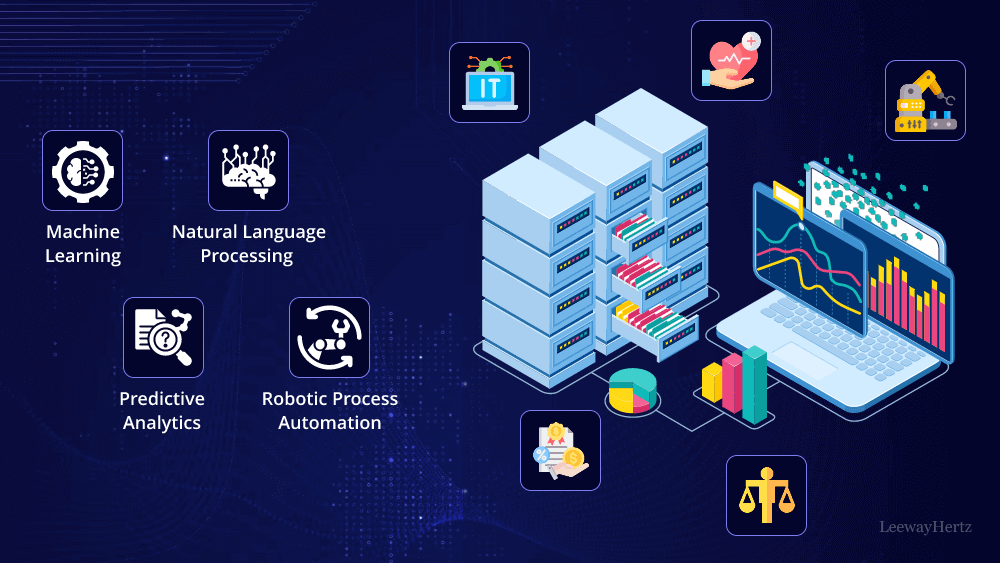
AI agents for knowledge management are intelligent systems designed to assist in the organization, retrieval, and utilization of information. These agents are powered by artificial intelligence and machine learning algorithms, enabling them to process vast amounts of data and provide valuable insights.
By integrating AI agents into knowledge management systems, organizations can automate routine tasks, reduce human error, and improve efficiency. These agents can analyze data, identify patterns, and even predict future trends, making them indispensable tools for businesses aiming to stay competitive in the digital age.
The Role of AI Agents in Knowledge Management
- Automating Data Organization and Retrieval
One of the primary functions of AI agents for knowledge management is automating the organization and retrieval of data. Traditionally, knowledge management relied heavily on manual processes, such as categorizing information, creating databases, and searching for relevant data. These tasks are time-consuming and prone to errors.
AI agents, however, can automate these processes by using natural language processing (NLP) and machine learning techniques. They can categorize and tag documents, making it easier to locate specific information. Additionally, AI agents can search through vast datasets in seconds, retrieving the most relevant information based on user queries. This not only saves time but also ensures that users have access to accurate and up-to-date information.
- Enhancing Collaboration and Knowledge Sharing
Effective knowledge management relies on collaboration and the seamless sharing of information across teams and departments. AI agents for knowledge management play a vital role in facilitating this by creating centralized knowledge hubs where information is easily accessible to all members of an organization.
AI agents can recommend relevant documents, articles, or insights to employees based on their roles and tasks, fostering a culture of continuous learning and knowledge sharing. Furthermore, AI agents can monitor discussions and interactions within an organization, identifying key topics and trends that can be shared across the company. This not only enhances collaboration but also ensures that valuable knowledge is retained and utilized effectively.
- Improving Decision-Making
Informed decision-making is critical to the success of any organization. AI agents for knowledge management can significantly improve the decision-making process by providing real-time insights and recommendations based on data analysis.
These agents can process and analyze vast amounts of information, identifying patterns and trends that might not be immediately apparent to human analysts. By presenting this information in a clear and concise manner, AI agents enable decision-makers to make more informed choices, reducing the risk of errors and enhancing overall business performance.
Benefits of Implementing AI Agents for Knowledge Management
- Increased Efficiency and Productivity
By automating routine tasks and streamlining information retrieval, AI agents for knowledge management can significantly increase efficiency and productivity within an organization. Employees spend less time searching for information and more time focusing on value-added tasks, leading to improved output and overall performance.
- Enhanced Accuracy and Consistency
Human error is a common challenge in knowledge management, especially when dealing with large volumes of data. AI agents reduce the risk of errors by ensuring that information is accurately categorized, stored, and retrieved. This consistency in data handling leads to more reliable outcomes and enhances the quality of decision-making.
- Scalability and Flexibility
As organizations grow, their knowledge management needs also evolve. AI agents for knowledge management offer scalability and flexibility, allowing businesses to adapt their knowledge management systems to changing demands. These agents can handle increasing amounts of data without compromising on performance, making them ideal for organizations of all sizes.
- Cost Savings
Implementing AI agents for knowledge management can lead to significant cost savings by reducing the need for manual labor and minimizing errors. Additionally, AI agents can optimize processes and improve efficiency, resulting in cost reductions across various aspects of the business.
Challenges and Considerations
While AI agents for knowledge management offer numerous benefits, there are also challenges to consider. Organizations must ensure that they have the necessary infrastructure and expertise to implement and maintain AI-driven systems. Additionally, data privacy and security are critical concerns that must be addressed to protect sensitive information.
Furthermore, it’s essential to recognize that AI agents are tools that complement human expertise, not replace it. Organizations should focus on integrating AI agents into their knowledge management strategies in a way that enhances human capabilities and promotes collaboration.
Conclusion
AI agents for knowledge management are revolutionizing the way organizations handle information. By automating data organization, enhancing collaboration, and improving decision-making, these intelligent systems offer a powerful solution to the challenges of managing vast amounts of information in today’s digital age. As businesses continue to embrace AI-driven technologies, the role of AI agents in knowledge management will only become more significant, driving efficiency, innovation, and success.
 Tech Consultancy Blogs
Leave a comment