Introduction
In today’s fast-paced business environment, staying competitive means optimizing every aspect of operations. One crucial area where businesses are making significant strides is inventory management. Traditional inventory methods, often labor-intensive and prone to human error, are gradually being replaced by more efficient, technology-driven solutions. Among these advancements, the integration of Artificial Intelligence (AI) in inventory management is proving to be a game-changer. By enhancing accuracy, reducing costs, and increasing efficiency, AI is transforming how companies manage their inventories.
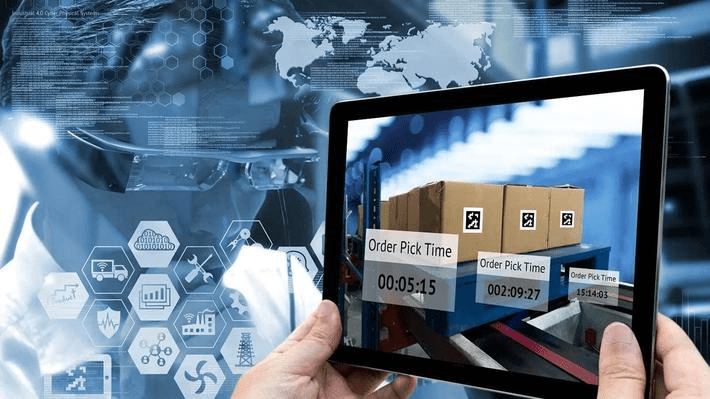
What is AI in Inventory Management?
AI in inventory management refers to the use of artificial intelligence technologies to automate and improve the processes involved in tracking and managing stock levels, orders, and supply chains. This technology leverages machine learning algorithms, predictive analytics, and data processing to provide real-time insights, forecast demand, and optimize inventory levels. The result is a more streamlined, efficient, and cost-effective inventory management system.
The Role of AI in Enhancing Inventory Accuracy
One of the most significant advantages of implementing AI in inventory management is its ability to enhance inventory accuracy. Traditionally, inventory inaccuracies have been a common issue, leading to either overstocking or stockouts. AI addresses this problem by providing real-time data analysis, which helps in maintaining accurate inventory records.
AI systems can continuously monitor inventory levels, track sales patterns, and adjust stock quantities accordingly. This real-time data processing minimizes errors and ensures that businesses always have the right amount of stock on hand. By eliminating manual entry errors and automating the counting process, AI in inventory management significantly improves accuracy.
Predictive Analytics: Forecasting Demand with AI
Accurately forecasting demand is a critical aspect of inventory management. AI in inventory management utilizes predictive analytics to analyze historical data, market trends, and other relevant factors to forecast future demand. This capability enables businesses to anticipate market needs and adjust their inventory levels proactively.
For example, AI can predict which products will be in high demand during specific seasons or promotional periods, allowing businesses to stock up on those items beforehand. This not only helps in meeting customer demands but also reduces the risk of overstocking, which can lead to increased storage costs and potential losses.
Cost Reduction Through AI in Inventory Management
Implementing AI in inventory management is also a powerful way to reduce operational costs. By optimizing stock levels, AI helps businesses avoid the costs associated with overstocking and understocking. Overstocking ties up capital and incurs storage costs, while understocking can lead to missed sales opportunities and damage customer satisfaction.
AI-driven inventory systems can also automate repetitive tasks such as order processing and stock reordering, reducing the need for manual labor. This automation leads to significant cost savings by decreasing the time spent on these tasks and minimizing the chances of human error.
Moreover, AI can optimize supply chain logistics, ensuring that products are delivered at the right time and place, reducing transportation and warehousing costs. This optimization contributes to a leaner, more cost-effective operation overall.
Enhancing Customer Satisfaction with AI
In today’s consumer-driven market, customer satisfaction is paramount. AI in inventory management plays a crucial role in ensuring that customer demands are met promptly and accurately. By maintaining optimal stock levels and accurately forecasting demand, businesses can ensure that products are always available when customers need them.
AI can also enhance customer satisfaction by providing personalized experiences. For instance, AI algorithms can analyze customer purchasing behavior and preferences, enabling businesses to tailor their product offerings and marketing strategies accordingly. This personalized approach not only improves customer satisfaction but also drives sales and loyalty.
AI in Inventory Management and the Future of Supply Chains
As AI continues to evolve, its impact on inventory management and supply chains will only grow stronger. The future of AI in inventory management includes more advanced predictive analytics, automation, and integration with other emerging technologies such as the Internet of Things (IoT) and blockchain.
For example, IoT devices can provide real-time data on inventory levels and product conditions, which AI systems can then analyze to optimize stock levels and reduce waste. Similarly, integrating AI with blockchain technology can enhance transparency and traceability in supply chains, ensuring that products are sourced, manufactured, and delivered ethically and efficiently.
The adoption of AI in inventory management is no longer a luxury but a necessity for businesses looking to stay competitive in an increasingly complex global market. As companies continue to harness the power of AI, they will be better equipped to meet the challenges of inventory management, reduce costs, and enhance customer satisfaction.
Conclusion
AI in inventory management is not just a trend but a transformative force reshaping the way businesses manage their stock and supply chains. By improving accuracy, forecasting demand, reducing costs, and enhancing customer satisfaction, AI offers numerous benefits that can drive business success. As technology continues to advance, the role of AI in inventory management will become even more critical, helping businesses navigate the complexities of the modern market with greater efficiency and effectiveness.
Whether you’re a small business or a large enterprise, embracing AI in inventory management is a step towards a more efficient, cost-effective, and customer-centric operation. The future of inventory management is here, and it’s powered by AI.
 Tech Consultancy Blogs
Leave a comment