Introduction
In today’s rapidly evolving business landscape, organizations are increasingly turning to Artificial Intelligence (AI) to enhance efficiency and streamline operations. AI’s integration into business process automation (BPA) is revolutionizing how companies manage workflows, improve decision-making, and drive innovation.
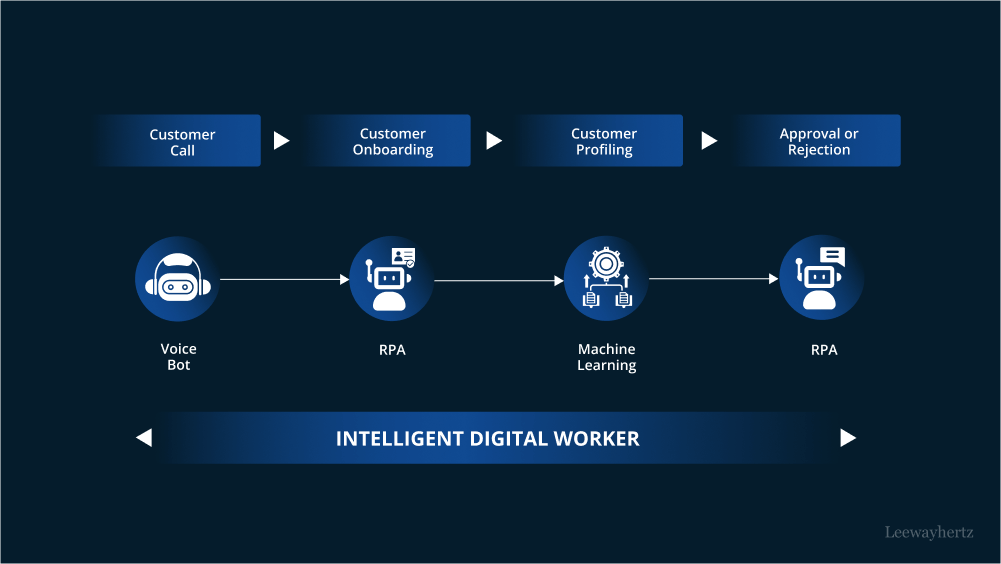
Understanding AI in Business Process Automation
AI in business process automation refers to the use of artificial intelligence technologies to automate and optimize repetitive tasks, workflows, and processes within an organization. This includes leveraging machine learning algorithms, natural language processing (NLP), robotic process automation (RPA), and predictive analytics to perform tasks traditionally carried out by humans.
Key Benefits of AI in BPA
- Enhanced Operational Efficiency: AI automates routine tasks, reducing the time and resources required for manual intervention. This allows employees to focus on higher-value activities, thus boosting overall productivity.
- Improved Accuracy and Consistency: Machines powered by AI can execute tasks with a high degree of accuracy and consistency, minimizing errors and variability in outputs.
- Cost Savings: By automating repetitive tasks, AI helps in reducing operational costs associated with labor, errors, and inefficiencies.
- Faster Decision-Making: AI-enabled analytics provide real-time insights from large datasets, enabling faster and more informed decision-making processes.
Applications Across Industries
AI in BPA finds applications across various industries, including:
- Finance: Automating account reconciliation, fraud detection, and credit scoring processes.
- Healthcare: Streamlining patient data management, medical imaging analysis, and personalized treatment plans.
- Manufacturing: Optimizing supply chain management, predictive maintenance, and quality control processes.
- Retail: Enhancing customer service through chatbots, optimizing inventory management, and personalized marketing.
- Human Resources: Automating recruitment processes, employee onboarding, and performance evaluations.
Implementing AI in BPA: Challenges and Considerations
While the benefits of AI in BPA are substantial, organizations must navigate several challenges during implementation:
- Data Quality and Integration: AI systems rely on high-quality data. Ensuring data integrity and compatibility across systems is crucial.
- Security and Privacy: Handling sensitive data requires robust security measures to prevent breaches and maintain compliance with regulations.
- Change Management: Adopting AI often requires a cultural shift within organizations. Proper training and change management strategies are essential to gain employee acceptance and collaboration.
- Ethical Considerations: As AI automates decision-making, ensuring fairness, transparency, and accountability in algorithms becomes critical.
Future Trends and Innovations
The future of AI in BPA is marked by continuous innovation and advancements:
- AI-Powered Process Discovery: Autonomous systems that can identify and optimize processes without human intervention.
- Conversational AI: Enhanced natural language processing capabilities for more sophisticated customer interactions and support.
- Edge AI: AI processing capabilities embedded directly into devices or sensors, enabling real-time decision-making without relying on cloud connectivity.
- AI-Driven Predictive Analytics: Anticipating future trends and behaviors to proactively adjust business strategies and operations.
Conclusion
AI in business process automation represents a transformative shift towards efficiency, accuracy, and innovation in organizational workflows. By harnessing AI technologies such as machine learning and robotic process automation, businesses can streamline operations, improve decision-making, and ultimately drive sustainable growth in a competitive global market.
Looking Ahead
As AI capabilities continue to evolve, businesses that embrace and effectively integrate AI in BPA will gain a significant competitive advantage. With careful planning, strategic implementation, and continuous adaptation to technological advancements, organizations can unlock new opportunities and achieve operational excellence in the digital age.
 Tech Consultancy Blogs
Leave a comment