In today’s rapidly evolving business landscape, maintaining regulatory compliance is more critical—and more challenging—than ever. Organizations must navigate an intricate web of regulations, standards, and guidelines to avoid legal penalties and maintain their reputation. Enter Artificial Intelligence (AI) for regulatory compliance: a transformative solution that promises to streamline processes, enhance accuracy, and reduce costs. This article explores how AI is revolutionizing regulatory compliance and the benefits it brings to businesses.
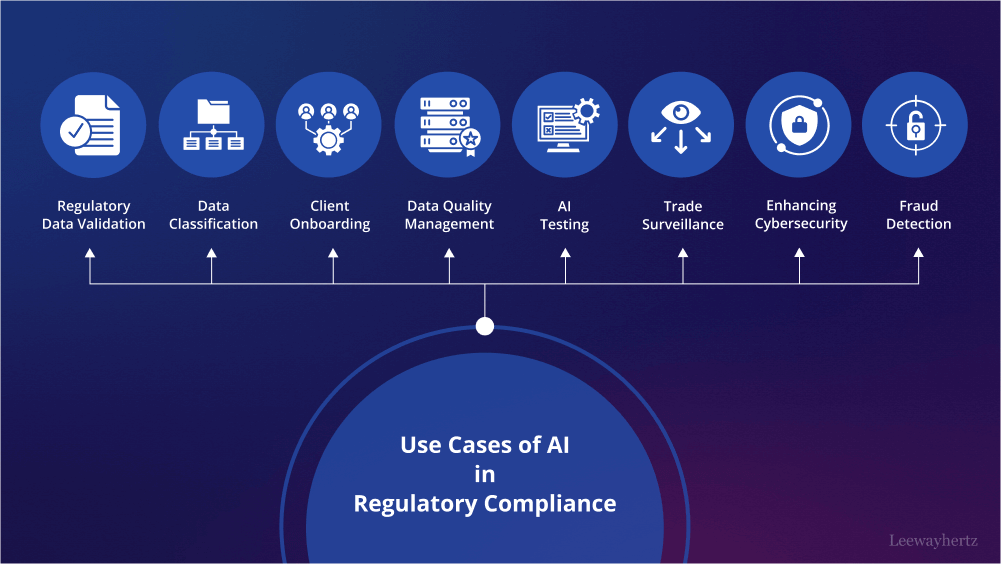
Understanding AI for Regulatory Compliance
AI for regulatory compliance refers to the use of advanced technologies such as machine learning, natural language processing, and data analytics to help organizations adhere to laws and regulations relevant to their industry. By automating and enhancing compliance processes, AI reduces the manual burden on compliance teams, allowing them to focus on strategic tasks.
The Challenges of Traditional Compliance
Before delving into how AI improves regulatory compliance, it is essential to understand the challenges associated with traditional compliance methods. These include:
- Volume of Regulations: The sheer number of regulations that businesses must comply with can be overwhelming. Different industries and regions have their own specific requirements, making it difficult to keep up.
- Complexity and Change: Regulations are often complex and subject to frequent changes. Staying updated with the latest amendments and understanding their implications requires significant effort.
- Manual Processes: Traditional compliance relies heavily on manual processes, which are time-consuming and prone to human error.
- Cost and Resources: Compliance activities can be costly, requiring dedicated staff and resources that could be better utilized elsewhere in the organization.
How AI Transforms Regulatory Compliance
AI for regulatory compliance addresses these challenges through several key capabilities:
- Automated Monitoring and Reporting
AI systems can continuously monitor regulatory changes and automatically update compliance protocols. This ensures that organizations are always in line with the latest requirements. Automated reporting tools generate accurate and timely compliance reports, reducing the workload on compliance teams.
- Enhanced Data Analysis
Regulatory compliance involves analyzing vast amounts of data. AI algorithms can sift through this data quickly and accurately, identifying patterns and anomalies that might indicate compliance issues. This proactive approach helps organizations address potential problems before they escalate.
- Risk Management
AI can assess and quantify compliance risks more effectively than traditional methods. By analyzing historical data and identifying trends, AI systems provide insights into areas where compliance risks are highest. This enables organizations to prioritize their efforts and allocate resources more efficiently.
- Natural Language Processing (NLP)
NLP allows AI systems to understand and interpret regulatory texts, policies, and documents. This capability helps in identifying relevant regulations and understanding their implications for the business. NLP also facilitates the automation of document review processes, ensuring that all necessary compliance documentation is accurate and up-to-date.
- Real-time Auditing
AI enables real-time auditing of compliance processes. By continuously monitoring transactions and activities, AI systems can detect non-compliance in real time and alert the relevant personnel. This reduces the risk of regulatory breaches and ensures immediate corrective action.
Benefits of AI for Regulatory Compliance
The integration of AI into regulatory compliance offers numerous benefits:
- Increased Efficiency
AI automates repetitive and time-consuming tasks, freeing up compliance teams to focus on more strategic activities. This increased efficiency leads to faster compliance processes and reduced operational costs.
- Improved Accuracy
By eliminating human error, AI enhances the accuracy of compliance activities. Automated systems are less prone to mistakes, ensuring that compliance requirements are met consistently.
- Cost Savings
AI reduces the need for extensive manual labor and minimizes the risk of costly regulatory fines and penalties. The cost savings from enhanced efficiency and accuracy can be substantial.
- Scalability
AI solutions are highly scalable, making them suitable for organizations of all sizes. As businesses grow and regulatory requirements evolve, AI systems can easily adapt to new demands.
- Enhanced Compliance Culture
With AI handling routine compliance tasks, organizations can foster a culture of compliance across all levels. Employees can focus on understanding and integrating compliance into their daily activities rather than being bogged down by administrative tasks.
Implementing AI for Regulatory Compliance
To successfully implement AI for regulatory compliance, organizations should follow these steps:
- Assessment and Planning
Begin by assessing current compliance processes and identifying areas where AI can add the most value. Develop a clear implementation plan that outlines goals, timelines, and required resources.
- Choosing the Right AI Solution
Select an AI solution that aligns with the specific regulatory requirements of your industry. Consider factors such as scalability, integration capabilities, and vendor support.
- Training and Integration
Ensure that compliance teams are adequately trained to work with AI tools. Integrate AI systems with existing compliance frameworks and data sources for seamless operation.
- Continuous Monitoring and Improvement
Regularly monitor the performance of AI systems and make necessary adjustments. Continuously seek feedback from compliance teams to identify areas for improvement and ensure the AI solution remains effective.
Conclusion
AI for regulatory compliance is a game-changer for businesses striving to navigate the complex regulatory landscape. By automating processes, enhancing accuracy, and reducing costs, AI empowers organizations to meet compliance requirements more efficiently and effectively. As AI technology continues to evolve, its role in regulatory compliance will only become more significant, offering even greater benefits to businesses worldwide.
 Tech Consultancy Blogs
Leave a comment