Predictive maintenance, the process of forecasting equipment failures before they happen, has gained significant traction in recent years. With advancements in artificial intelligence (AI), predictive maintenance has evolved from a hopeful concept to a practical and invaluable tool for industries worldwide. This article delves into the role of AI in predictive maintenance, exploring its benefits, implementation, and future prospects.
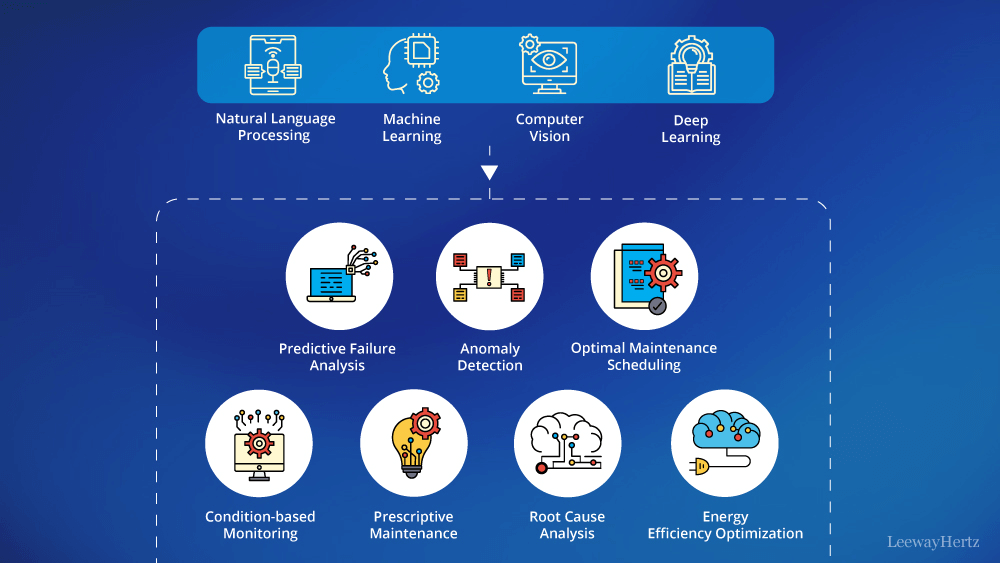
The Role of AI in Predictive Maintenance
Predictive maintenance utilizes AI to analyze data from various sensors and sources, predicting when equipment is likely to fail. Unlike traditional maintenance approaches, which are often reactive or scheduled at regular intervals, predictive maintenance focuses on addressing issues before they lead to significant downtime or costly repairs.
Data Collection and Analysis
AI systems collect vast amounts of data from machinery, including temperature, vibration, sound, and other operational parameters. Machine learning algorithms then analyze this data to identify patterns and trends that signal potential failures. This proactive approach helps in minimizing unexpected breakdowns, thereby saving time and resources.
Real-time Monitoring
AI enables real-time monitoring of equipment, providing instant insights into its health and performance. This continuous monitoring allows for immediate detection of anomalies, enabling swift action to prevent failures. For instance, if a machine’s vibration level exceeds the normal range, the AI system can alert maintenance teams to investigate and resolve the issue before it escalates.
Benefits of AI in Predictive Maintenance
The integration of AI in predictive maintenance offers several advantages that enhance operational efficiency and reduce costs.
Reduced Downtime
One of the most significant benefits of AI-driven predictive maintenance is the reduction in unplanned downtime. By predicting failures and scheduling maintenance during non-peak hours, businesses can ensure continuous operation and avoid costly interruptions.
Cost Savings
Predictive maintenance helps in minimizing repair costs by addressing issues at an early stage. Early detection often means that repairs are simpler and less expensive. Moreover, by preventing catastrophic failures, businesses can avoid the high costs associated with emergency repairs and equipment replacements.
Extended Equipment Lifespan
Regular monitoring and maintenance ensure that equipment operates within optimal parameters, thereby extending its lifespan. AI systems can predict when parts are likely to wear out and recommend timely replacements, ensuring that machinery remains in good working condition for longer periods.
Enhanced Safety
AI in predictive maintenance contributes to workplace safety by identifying potential hazards before they become critical. For example, if a machine is operating outside its safe temperature range, the AI system can alert operators to take corrective action, preventing accidents and ensuring a safer work environment.
Implementing AI in Predictive Maintenance
The successful implementation of AI in predictive maintenance involves several steps, from data collection to algorithm development and integration with existing systems.
Data Collection and Integration
The first step in implementing AI-driven predictive maintenance is collecting data from various sensors installed on the equipment. This data needs to be integrated into a centralized system where it can be processed and analyzed. Ensuring compatibility between different data sources and the AI system is crucial for accurate predictions.
Developing Predictive Models
Machine learning algorithms form the core of predictive maintenance systems. These algorithms analyze historical and real-time data to develop predictive models. Training these models requires a substantial amount of data and computational power. The models need to be continuously updated and refined to maintain their accuracy and reliability.
Integration with Maintenance Management Systems
To fully leverage the benefits of AI in predictive maintenance, it is essential to integrate the AI system with existing maintenance management systems. This integration allows for seamless communication between different departments, ensuring that maintenance activities are efficiently coordinated and executed.
Employee Training
Introducing AI in predictive maintenance necessitates training for employees. Maintenance teams need to understand how to interpret AI-generated insights and how to respond to alerts. Providing adequate training ensures that the workforce is equipped to leverage the technology effectively.
Future Prospects of AI in Predictive Maintenance
The future of AI in predictive maintenance looks promising, with continuous advancements in technology driving further improvements.
Advancements in Machine Learning
As machine learning algorithms become more sophisticated, the accuracy and reliability of predictive maintenance systems will improve. These advancements will enable even more precise predictions, further reducing downtime and maintenance costs.
Integration with IoT
The Internet of Things (IoT) is expected to play a significant role in the evolution of predictive maintenance. IoT devices can provide real-time data from a vast network of interconnected equipment, enhancing the predictive capabilities of AI systems.
Wider Industry Adoption
As the benefits of AI in predictive maintenance become increasingly evident, more industries are likely to adopt this technology. From manufacturing to healthcare, the potential applications are vast, promising significant improvements in operational efficiency and cost savings.
Conclusion
AI in predictive maintenance is revolutionizing how industries manage their equipment. By leveraging advanced data analysis and machine learning algorithms, businesses can predict and prevent equipment failures, reducing downtime, saving costs, and enhancing safety. As technology continues to advance, the future of AI-driven predictive maintenance looks brighter than ever, promising even greater efficiencies and reliability for industries worldwide.
 Tech Consultancy Blogs
Leave a comment