Introduction
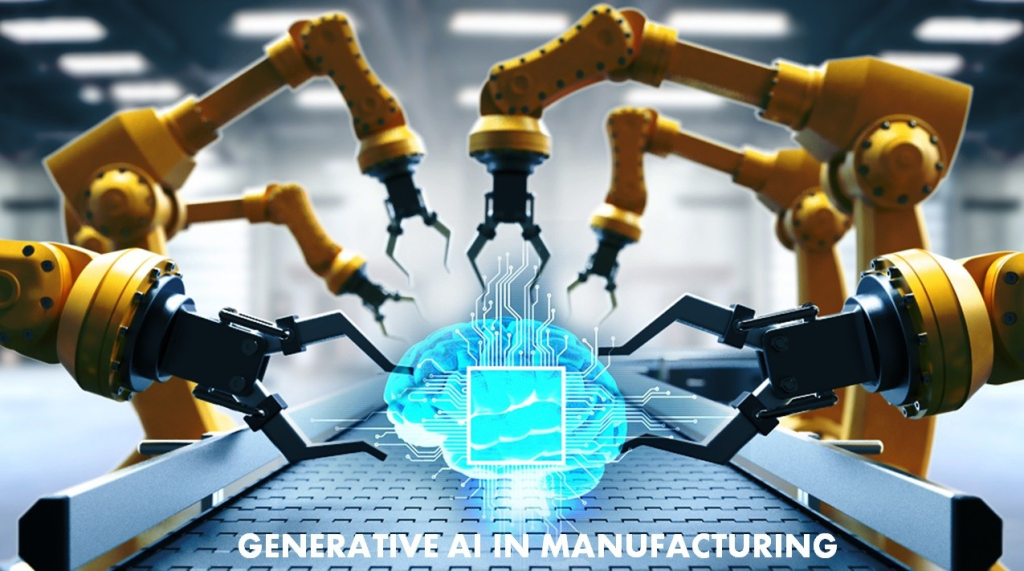
The manufacturing industry is undergoing a significant transformation driven by advancements in technology. Among these innovations, Generative AI for Manufacturing stands out as a game-changer, offering unprecedented opportunities for efficiency, innovation, and cost reduction. This article explores the impact of Generative AI on manufacturing processes, its benefits, applications, and future potential.
What is Generative AI?
Generative AI refers to artificial intelligence systems that can generate new content, designs, or solutions based on input data. Unlike traditional AI, which follows predefined rules and patterns, Generative AI creates novel outputs by learning from vast datasets. In manufacturing, this means AI systems can design new products, optimize production processes, and even predict maintenance needs, all while continuously improving from ongoing data inputs.
The Impact of Generative AI on Manufacturing
Generative AI for Manufacturing has the potential to revolutionize the industry in several key ways:
- Enhanced Design and Innovation Generative AI enables manufacturers to push the boundaries of design. By inputting specific criteria such as material type, weight, strength, and cost constraints, AI systems can generate multiple design alternatives. These designs often include innovative solutions that human designers might not conceive. This not only accelerates the design process but also leads to more efficient and effective products.
- Optimized Production Processes Manufacturing involves numerous complex processes, from material procurement to final assembly. Generative AI can analyze these processes to identify inefficiencies and suggest improvements. For instance, it can optimize the layout of a factory floor, streamline supply chain logistics, or suggest the best machine settings to reduce waste and increase output. This level of optimization can lead to significant cost savings and productivity gains.
- Predictive Maintenance Equipment failure is a major concern in manufacturing, often leading to costly downtime. Generative AI systems can predict when a machine is likely to fail by analyzing data from sensors and historical maintenance records. This predictive capability allows for proactive maintenance, ensuring equipment is serviced before any issues arise, thus minimizing downtime and maintaining continuous production.
Applications of Generative AI in Manufacturing
Generative AI for Manufacturing finds applications across various stages of the production cycle. Here are some key areas where it is making a significant impact:
- Product Development In product development, Generative AI aids in creating designs that meet specific performance and aesthetic criteria. Companies like General Electric and Airbus have used Generative AI to develop components that are lighter, stronger, and more efficient than traditional designs.
- Supply Chain Management Managing a supply chain involves coordinating multiple variables, from supplier performance to inventory levels. Generative AI can optimize supply chain operations by predicting demand, managing inventory, and even suggesting alternative suppliers when necessary. This ensures a more resilient and efficient supply chain.
- Quality Control Maintaining high-quality standards is crucial in manufacturing. Generative AI systems can enhance quality control by analyzing production data to detect defects early. This real-time analysis helps in making immediate adjustments, reducing the number of defective products and ensuring consistent quality.
- Energy Management Manufacturing processes often consume significant amounts of energy. Generative AI can optimize energy usage by analyzing data from production processes and suggesting ways to reduce consumption. This not only lowers operational costs but also contributes to environmental sustainability.
Challenges and Considerations
While the benefits of Generative AI for Manufacturing are compelling, there are challenges and considerations to address:
- Data Quality and Quantity Generative AI relies heavily on data. Ensuring the availability of high-quality, relevant data is crucial for accurate and effective AI outputs. Manufacturers need to invest in data collection and management systems to support AI initiatives.
- Integration with Existing Systems Integrating Generative AI with existing manufacturing systems can be complex. It requires careful planning and collaboration between IT and operational teams. Ensuring seamless integration is essential for maximizing the benefits of AI.
- Skill Requirements Implementing and managing Generative AI systems requires specialized skills. Manufacturers need to invest in training their workforce or hiring experts in AI and data science to effectively leverage these technologies.
The Future of Generative AI in Manufacturing
The future of Generative AI for Manufacturing looks promising, with continuous advancements in AI algorithms, computing power, and data analytics. As these technologies evolve, we can expect even more sophisticated applications that further enhance efficiency, innovation, and sustainability in manufacturing.
Conclusion
Generative AI for Manufacturing is transforming the industry by enabling enhanced design, optimized processes, predictive maintenance, and more. While there are challenges to overcome, the potential benefits far outweigh the difficulties. By embracing Generative AI, manufacturers can stay ahead of the competition, drive innovation, and achieve greater operational efficiency. As technology continues to advance, the role of Generative AI in manufacturing will undoubtedly become even more pivotal, shaping the future of production in ways we are only beginning to imagine.
 Tech Consultancy Blogs
Leave a comment