In the rapidly evolving landscape of enterprise technology, the integration of artificial intelligence (AI) has become pivotal for enhancing operational efficiency and decision-making processes. One significant application gaining traction is the development of AI copilots tailored to assist enterprises across various industries. These AI systems are designed to augment human capabilities, automate routine tasks, and provide intelligent insights. This article explores the essential steps and considerations involved in building an AI copilot for enterprises.
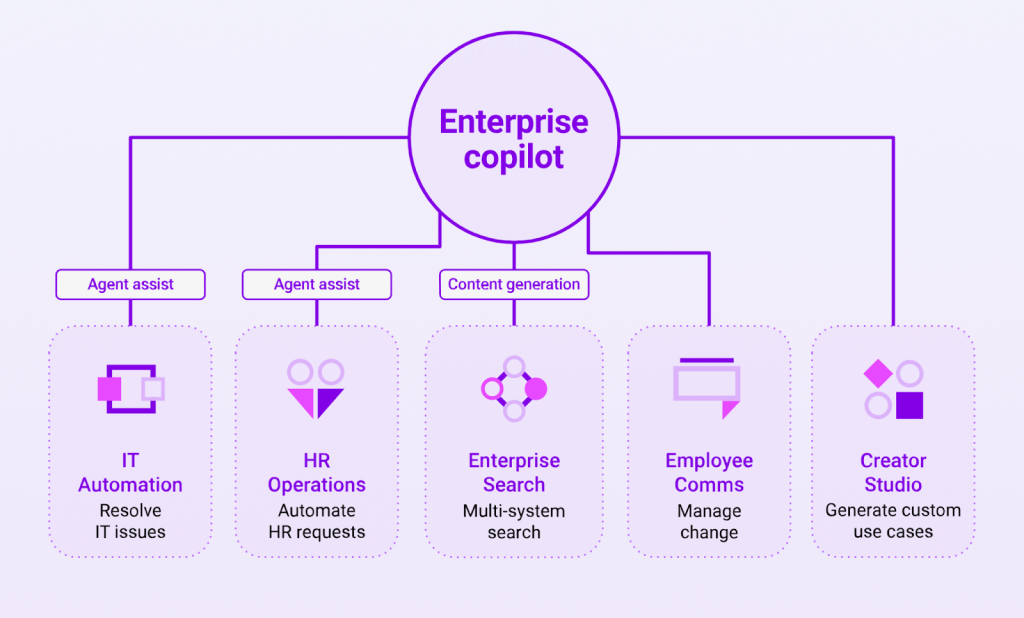
Understanding the Role of an AI Copilot
An AI copilot serves as a virtual assistant embedded within enterprise systems, capable of analyzing data, predicting outcomes, and recommending actions. Unlike traditional software, an AI copilot leverages machine learning algorithms to continuously learn and improve its performance over time. Its primary objective is to empower employees by handling repetitive tasks, offering real-time insights, and enabling proactive decision-making.
Step-by-Step Guide to Building an AI Copilot
1. Define the Scope and Objectives
Begin by identifying the specific tasks and workflows that the AI copilot will assist with. This involves understanding the pain points within your enterprise processes that can be alleviated through automation and intelligent analysis. Define clear objectives such as improving efficiency, reducing costs, or enhancing customer experiences.
2. Data Collection and Integration
Data forms the foundation of any AI system. Gather relevant datasets from internal sources such as CRM systems, ERP platforms, and historical records. Ensure that the data is clean, well-structured, and representative of the tasks the AI copilot will handle. Integration with existing enterprise systems is crucial to enable seamless data flow and real-time updates.
3. Choose the Right AI Technologies
Select AI technologies based on your enterprise’s specific needs and resources. Common technologies include natural language processing (NLP) for understanding and generating human language, machine learning models for predictive analytics, and computer vision for visual data interpretation. Cloud-based AI platforms often provide scalable solutions without requiring extensive infrastructure investments.
4. Development and Training of AI Models
Engage data scientists and AI specialists to develop and train machine learning models tailored to your enterprise requirements. This process involves preprocessing the data, selecting appropriate algorithms, and fine-tuning the models through iterative testing and validation. Implement robust security measures to protect sensitive enterprise data throughout the development lifecycle.
5. Integration into Enterprise Systems
Integrate the AI copilot into existing enterprise applications and workflows. This step requires collaboration between IT teams, developers, and business stakeholders to ensure compatibility, usability, and performance optimization. Conduct thorough testing to validate the copilot’s functionality across different scenarios and user interactions.
6. User Interface and Experience Design
Design an intuitive user interface (UI) that enables seamless interaction with the AI copilot. Incorporate features such as voice commands, chat interfaces, and dashboard integrations to facilitate user engagement and accessibility. Prioritize usability testing to gather feedback and refine the UI based on user preferences and workflow dynamics.
7. Continuous Monitoring and Improvement
Post-deployment, establish mechanisms for monitoring the AI copilot’s performance and effectiveness. Implement analytics dashboards to track key metrics such as response times, accuracy rates, and user satisfaction levels. Utilize feedback loops and incremental updates to continuously improve the copilot’s capabilities based on evolving enterprise needs and technological advancements.
Benefits of Implementing an AI Copilot
The integration of an AI copilot offers several strategic advantages for enterprises:
- Enhanced Productivity: Automates repetitive tasks and accelerates decision-making processes.
- Improved Accuracy: Utilizes predictive analytics to minimize errors and optimize resource allocation.
- Cost Efficiency: Reduces operational costs associated with manual labor and inefficient workflows.
- Scalability: Scales operations seamlessly to accommodate growing business demands and data volumes.
- Innovation: Facilitates innovation by enabling rapid experimentation and adaptation to market dynamics.
Conclusion
Building an AI copilot for enterprises requires careful planning, robust technological infrastructure, and strategic alignment with business objectives. By leveraging AI capabilities, enterprises can harness data-driven insights, streamline operations, and gain a competitive edge in today’s digital economy. Embrace the transformative potential of AI copilots to empower your workforce and drive sustainable growth in the evolving landscape of enterprise innovation.
Read More: https://www.leewayhertz.com/how-to-build-an-ai-copilot/
 Tech Consultancy Blogs
Leave a comment