Introduction
In the rapidly evolving landscape of finance, artificial intelligence (AI) has emerged as a transformative force, particularly in lending practices. AI technologies are reshaping how financial institutions assess creditworthiness, manage risk, and enhance customer experiences. This article explores the impact of AI in lending, highlighting its benefits, challenges, and future prospects.
Enhanced Credit Decision Making
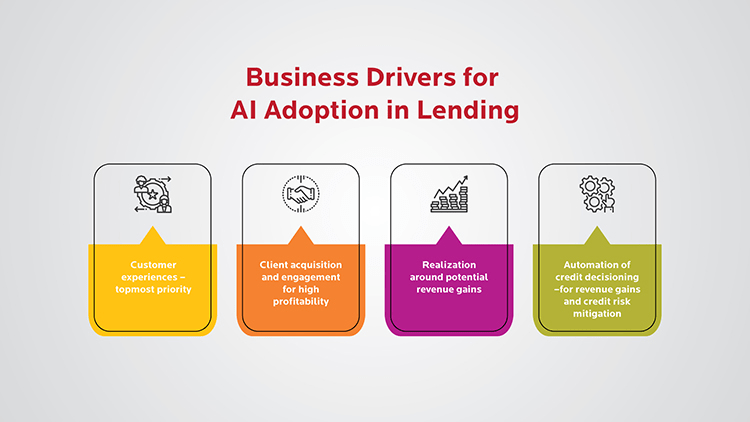
One of the most significant contributions of AI in lending is its ability to revolutionize credit decision-making processes. Traditionally, lenders relied heavily on historical credit scores and static rules to evaluate loan applications. However, AI enables more nuanced analysis by incorporating a broader range of data points. Machine learning algorithms can assess thousands of variables in real-time, including transaction history, social media activity, and even facial expressions captured during video interviews. This holistic approach provides a more accurate assessment of an applicant’s creditworthiness, potentially expanding access to finance for individuals with limited credit histories.
Risk Management and Fraud Prevention
AI-powered tools play a crucial role in enhancing risk management and fraud prevention strategies within the lending industry. By continuously analyzing vast amounts of data, AI algorithms can detect patterns indicative of fraudulent activities or potential default risks. This proactive approach not only minimizes financial losses for lenders but also strengthens overall security measures. Furthermore, AI enables dynamic risk assessments, adjusting in real-time to changing market conditions and economic trends, thereby improving the resilience of lending portfolios.
Personalized Customer Experiences
In addition to improving operational efficiencies, AI enhances the customer experience in lending. Through natural language processing (NLP) and predictive analytics, AI systems can engage with customers in real-time, providing personalized recommendations and guidance throughout the loan application process. Virtual assistants powered by AI can answer queries, offer financial advice, and streamline document submission, thereby reducing the time and effort required from applicants. This streamlined approach fosters greater transparency and trust between lenders and borrowers, ultimately enhancing customer satisfaction and loyalty.
Challenges and Ethical Considerations
Despite its transformative potential, the integration of AI in lending is not without challenges and ethical considerations. One major concern is the potential for algorithmic bias, where AI systems may inadvertently discriminate against certain demographic groups based on historical data patterns. Addressing bias requires ongoing monitoring and refining of AI models to ensure fairness and inclusivity in lending practices. Moreover, the reliance on AI raises questions about data privacy and security, necessitating robust safeguards to protect sensitive borrower information from unauthorized access or misuse.
Future Directions and Innovations
Looking ahead, the future of AI in lending holds promising opportunities for further innovation. Advancements in explainable AI (XAI) are enabling greater transparency in decision-making processes, allowing lenders to understand and justify the outcomes produced by AI models. Additionally, the adoption of AI-driven predictive analytics is expected to refine credit scoring methodologies, enabling more accurate risk assessments and pricing strategies. Collaborations between fintech startups, traditional banks, and regulatory bodies will play a pivotal role in shaping a regulatory framework that fosters responsible AI deployment while safeguarding consumer rights.
Conclusion
In conclusion, AI is reshaping the lending landscape by enhancing credit decision-making, improving risk management practices, and personalizing customer experiences. While the adoption of AI in lending presents significant opportunities for efficiency and innovation, it also necessitates careful consideration of ethical implications and regulatory frameworks. By leveraging AI responsibly, financial institutions can unlock new avenues for growth, expand financial inclusion, and empower individuals and businesses to achieve their financial goals in an increasingly interconnected world.
 Tech Consultancy Blogs
Leave a comment