In today’s fast-paced digital world, customer service is evolving rapidly to meet the growing demands of consumers. One of the most significant advancements in this field is the integration of AI agents for customer service. These intelligent systems are transforming the way businesses interact with their customers, offering efficient, personalized, and round-the-clock support. In this article, we will explore the various aspects of AI agents for customer service, including their benefits, functionalities, and future potential.
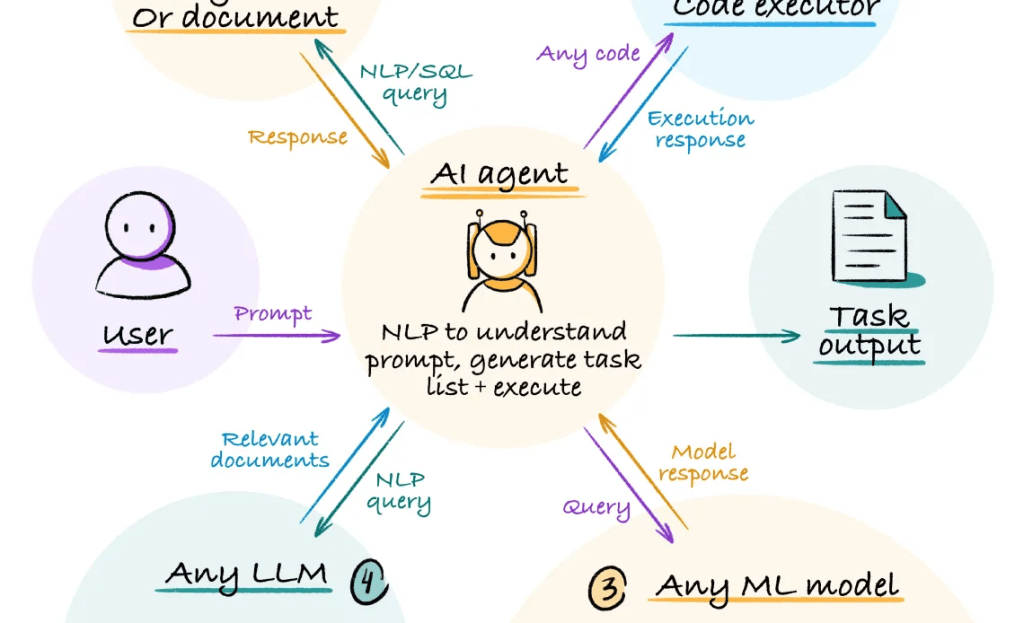
What is an AI Agent for Customer Service?
An AI agent for customer service is a software program that uses artificial intelligence (AI) to simulate human interactions. These agents are designed to understand and respond to customer queries, provide information, and solve problems. They utilize natural language processing (NLP) and machine learning (ML) to comprehend and generate human-like responses. AI agents can be deployed through various channels such as websites, mobile apps, social media, and messaging platforms.
Benefits of AI Agents for Customer Service
1. 24/7 Availability
One of the most significant advantages of AI agents for customer service is their ability to provide round-the-clock support. Unlike human agents who work in shifts, AI agents are always available to assist customers. This ensures that customers receive timely responses regardless of the time of day or their location, leading to increased satisfaction and loyalty.
2. Faster Response Times
AI agents can process and respond to customer queries much faster than human agents. They can handle multiple interactions simultaneously, significantly reducing wait times. This speed and efficiency are particularly beneficial during peak times or when dealing with high volumes of inquiries.
3. Cost Efficiency
Implementing AI agents for customer service can lead to substantial cost savings for businesses. By automating routine tasks and inquiries, companies can reduce the need for large customer support teams. This allows human agents to focus on more complex issues, improving overall service quality and efficiency.
4. Consistency and Accuracy
AI agents provide consistent and accurate responses, ensuring that customers receive the same level of service every time they interact with the system. This eliminates the variability that can occur with human agents and helps maintain a high standard of customer service.
Key Functionalities of AI Agents for Customer Service
1. Natural Language Processing (NLP)
Natural Language Processing (NLP) is a critical component of AI agents for customer service. NLP enables the agent to understand and interpret human language, allowing it to comprehend and respond to customer queries accurately. Advanced NLP algorithms can handle complex sentence structures, idiomatic expressions, and even detect the sentiment behind a customer’s message.
2. Machine Learning (ML)
Machine Learning (ML) algorithms enable AI agents to learn from past interactions and continuously improve their performance. By analyzing customer interactions, AI agents can identify patterns and trends, which helps them to provide more accurate and relevant responses over time. This self-learning capability ensures that the AI agent becomes more effective with each interaction.
3. Personalization
AI agents for customer service can offer personalized experiences by leveraging customer data and interaction history. By understanding individual preferences and previous interactions, AI agents can tailor their responses and recommendations to meet the specific needs of each customer. This level of personalization enhances customer satisfaction and fosters a stronger connection between the customer and the brand.
4. Multichannel Support
AI agents can be deployed across multiple channels, providing a seamless and unified customer experience. Whether a customer contacts the business through a website, mobile app, social media, or messaging platform, the AI agent can provide consistent support. This multichannel capability ensures that customers can reach out through their preferred medium without compromising the quality of service.
Future Potential of AI Agents in Customer Service
The future of AI agents for customer service looks promising, with continuous advancements in AI technologies driving their evolution. Here are some potential developments to look forward to:
1. Enhanced Emotional Intelligence
Future AI agents are expected to possess enhanced emotional intelligence, allowing them to better understand and respond to customer emotions. By detecting subtle cues in language and tone, AI agents will be able to provide more empathetic and supportive responses, further improving the customer experience.
2. Integration with IoT
The integration of AI agents with the Internet of Things (IoT) will enable them to provide even more proactive and personalized support. For example, AI agents could receive real-time data from smart devices, allowing them to anticipate customer needs and offer timely assistance.
3. Greater Human-AI Collaboration
The future will likely see a greater emphasis on collaboration between human agents and AI. By working together, human and AI agents can complement each other’s strengths, providing a more comprehensive and efficient customer service experience. AI agents can handle routine tasks while human agents focus on more complex and nuanced interactions.
Conclusion
AI agents for customer service are revolutionizing the way businesses interact with their customers. With their ability to provide 24/7 support, faster response times, cost efficiency, and personalized experiences, AI agents are becoming an indispensable tool for modern customer service operations. As AI technologies continue to advance, the potential for AI agents to further enhance customer service is immense, promising a future where customer interactions are more efficient, empathetic, and satisfying.
 Tech Consultancy Blogs
Leave a comment