In today’s rapidly evolving business landscape, compliance has become more complex and crucial than ever. Companies face stringent regulations across various industries, making it essential to maintain meticulous records, adhere to numerous guidelines, and ensure that all processes are transparent and accountable. This is where Generative AI for compliance steps in, offering a transformative solution to manage and streamline compliance processes efficiently.
Understanding Generative AI
Generative AI refers to algorithms, particularly deep learning models, that can generate new content from existing data. Unlike traditional AI, which might be limited to analyzing and predicting, Generative AI can create text, images, and even complex data structures. In compliance, this capability can revolutionize how companies manage and adhere to regulations.
Enhancing Document Management
One of the primary areas where Generative AI for compliance proves beneficial is in document management. Regulatory compliance often involves handling vast amounts of documentation, from contracts to audit reports. Generative AI can automate the creation, organization, and review of these documents, ensuring they meet regulatory standards.
For example, Generative AI can draft contracts and compliance reports by pulling relevant information from existing databases, reducing the risk of human error and ensuring consistency. It can also help in updating documents to reflect changes in regulations, thus keeping the company always in line with current standards.
Streamlining Audit Processes
Audits are a critical component of compliance, providing a thorough review of a company’s adherence to regulatory standards. However, they can be time-consuming and resource-intensive. Generative AI for compliance can significantly streamline the audit process.
By automatically generating audit trails, summarizing key findings, and identifying areas of non-compliance, Generative AI allows auditors to focus on more complex tasks that require human judgment. Additionally, AI-driven predictive analytics can forecast potential compliance issues before they arise, enabling proactive measures rather than reactive responses.
Enhancing Risk Management
Risk management is another crucial aspect of compliance. Companies must identify, assess, and mitigate risks to ensure they remain within regulatory frameworks. Generative AI can play a pivotal role here by analyzing large datasets to detect patterns and anomalies that might indicate compliance risks.
For instance, Generative AI can monitor financial transactions, employee activities, and external communications to identify unusual patterns that could signify fraudulent activities or breaches of compliance. This allows companies to address potential issues swiftly, minimizing the risk of regulatory penalties and reputational damage.
Improving Training and Education
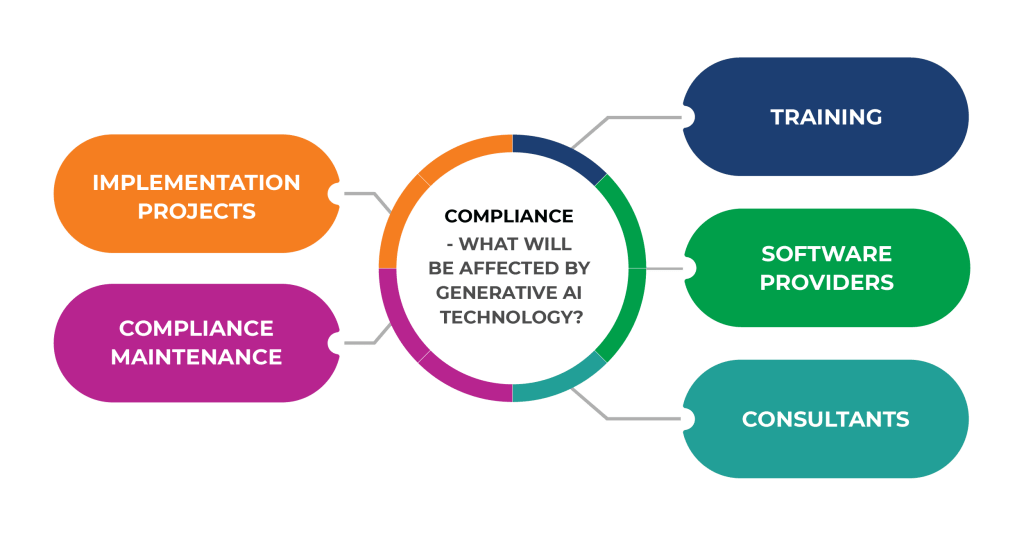
Employee training and education are vital for maintaining compliance across an organization. Generative AI can enhance these efforts by creating customized training programs that cater to the specific needs of different departments and roles within the company.
Generative AI can develop interactive training modules, simulate compliance scenarios, and provide real-time feedback to employees. This personalized approach ensures that employees understand and adhere to compliance requirements, reducing the likelihood of unintentional violations.
Facilitating Regulatory Reporting
Regulatory reporting is a mandatory aspect of compliance, requiring companies to submit accurate and timely reports to regulatory bodies. Generative AI can automate the creation and submission of these reports, ensuring they meet the necessary standards and deadlines.
By extracting relevant data from various sources, Generative AI can generate comprehensive reports that include all required information. This automation not only saves time and resources but also minimizes the risk of errors that could lead to non-compliance.
Addressing Ethical Considerations
While Generative AI offers numerous benefits for compliance, it also raises ethical considerations that companies must address. Ensuring the transparency and accountability of AI-generated content is crucial to maintaining trust and integrity in compliance processes.
Companies should implement robust governance frameworks that include clear guidelines for the use of Generative AI in compliance. Regular audits of AI systems, transparency in AI decision-making processes, and continuous monitoring for biases are essential to ensure that Generative AI contributes positively to compliance efforts.
Future Prospects of Generative AI in Compliance
The potential of Generative AI for compliance is vast, with ongoing advancements promising even more sophisticated applications. Future developments may include more advanced natural language processing capabilities, allowing AI to understand and generate more complex legal and regulatory texts.
Additionally, integration with other emerging technologies such as blockchain could enhance the transparency and security of compliance processes. By creating immutable records of compliance activities, companies can ensure that all actions are verifiable and traceable.
Conclusion
Generative AI for compliance is transforming the way companies approach regulatory adherence. By automating document management, streamlining audits, enhancing risk management, improving training, and facilitating regulatory reporting, Generative AI offers a powerful tool for managing compliance efficiently and effectively. As technology continues to evolve, the role of Generative AI in compliance will undoubtedly expand, offering even more innovative solutions to meet the ever-changing regulatory landscape.
 Tech Consultancy Blogs
Leave a comment