Introduction to AI in Banking and Finance
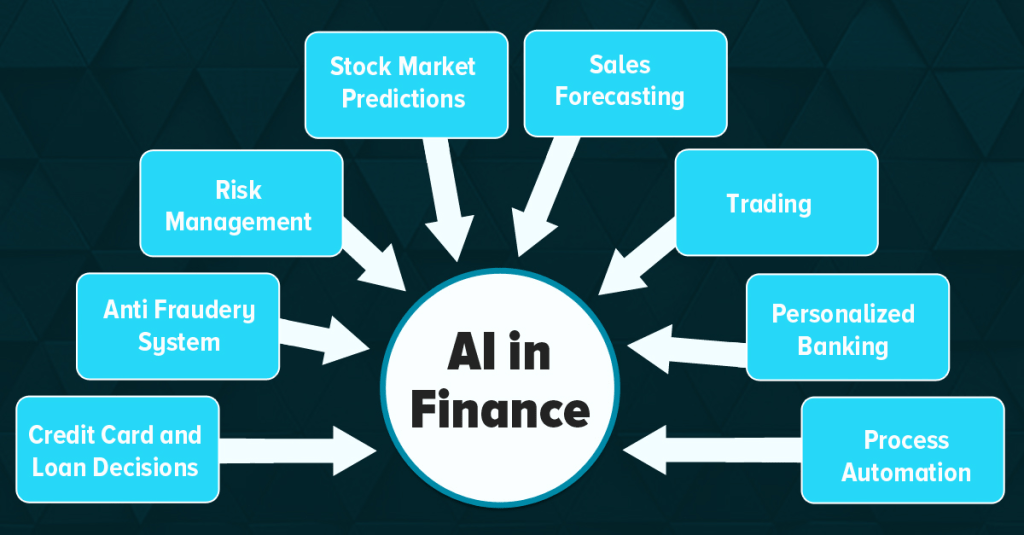
In the rapidly evolving landscape of banking and finance, artificial intelligence (AI) stands as a transformative force, reshaping traditional processes and driving innovation. AI technologies encompass machine learning, natural language processing, and predictive analytics, among others, to automate tasks, analyze vast datasets, and deliver insights in real-time. From customer service to risk management, AI is revolutionizing every facet of the banking and finance industry.
Enhancing Customer Experience
One of the most visible impacts of AI in banking and finance is its ability to enhance the customer experience. Through personalized interactions and tailored recommendations, AI-powered chatbots and virtual assistants provide round-the-clock support, answering queries, resolving issues, and guiding customers through various financial services. Additionally, AI algorithms analyze customer behavior and preferences to offer personalized product suggestions, thereby improving cross-selling opportunities and fostering customer loyalty.
Streamlining Operations and Risk Management
AI streamlines operations in banking and finance by automating routine tasks and optimizing workflows. For instance, AI-powered algorithms automate credit scoring and loan approval processes, accelerating decision-making and reducing manual errors. Moreover, AI enhances risk management by analyzing market trends, assessing credit risks, and identifying potential threats in real-time. By leveraging predictive analytics, financial institutions can anticipate market fluctuations and adjust their strategies accordingly, thus mitigating risks and maximizing returns.
Improving Fraud Detection and Security
In an era of increasing cyber threats, AI plays a crucial role in bolstering security measures and detecting fraudulent activities. AI algorithms analyze transactional patterns and identify anomalies indicative of fraudulent behavior, enabling swift intervention and preventing financial losses. Moreover, AI-powered biometric authentication methods, such as facial recognition and fingerprint scanning, enhance security measures and safeguard sensitive financial information. By continuously adapting to emerging threats, AI reinforces the defense mechanisms of banking and finance systems, ensuring robust protection against cyber attacks.
Future Outlook and Challenges
Looking ahead, the future of AI in banking and finance holds immense potential for further innovation and advancement. As AI technologies continue to evolve, financial institutions will leverage data-driven insights to offer personalized financial solutions, improve operational efficiency, and mitigate risks effectively. Moreover, the integration of AI with emerging technologies like blockchain and quantum computing promises to revolutionize the fundamental aspects of banking and finance, including transaction processing, security, and regulatory compliance.
However, amidst the promise of AI-driven transformation, several challenges must be addressed to realize its full potential. Data privacy concerns, regulatory compliance, and ethical implications of AI algorithms require careful consideration and regulatory oversight. Moreover, ensuring the inclusivity and accessibility of AI-powered financial services is essential to prevent digital exclusion and promote financial inclusion. By addressing these challenges proactively, stakeholders can harness the power of AI to drive sustainable growth and innovation in the banking and finance industry.
In conclusion, AI is reshaping the landscape of banking and finance, offering unparalleled opportunities for innovation and growth. From enhancing customer experience to streamlining operations and improving security measures, AI technologies are driving fundamental changes across the industry. By embracing AI-driven solutions and addressing associated challenges, financial institutions can unlock new possibilities, empower customers, and navigate the evolving digital economy with confidence.
 Tech Consultancy Blogs
Leave a comment