In today’s fast-paced business landscape, staying ahead of the curve is imperative for companies striving to maintain their competitive edge. In this pursuit, the integration of Artificial Intelligence (AI) into various business functions has emerged as a game-changer, and nowhere is this more evident than in procurement. AI in procurement is revolutionizing the way organizations source, negotiate, and manage their supply chain, leading to improved efficiency, cost savings, and strategic decision-making.
Understanding AI in Procurement:
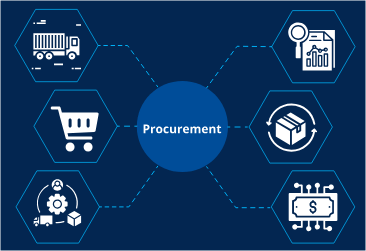
AI in procurement refers to the utilization of advanced algorithms, machine learning, and data analytics to automate and optimize procurement processes. These processes encompass a wide array of activities, including supplier identification, contract management, spend analysis, and risk assessment. By leveraging AI technologies, organizations can streamline these tasks, mitigate risks, and unlock valuable insights from their procurement data.
Enhancing Efficiency and Accuracy:
One of the primary benefits of AI in procurement is its ability to enhance efficiency and accuracy throughout the procurement lifecycle. Traditionally, procurement teams spent significant time manually sorting through supplier databases, analyzing contracts, and forecasting demand. However, AI-powered solutions can automate these tasks, allowing procurement professionals to focus on more strategic initiatives.
For instance, AI-driven supplier discovery platforms leverage natural language processing (NLP) to sift through vast amounts of data and identify potential suppliers that align with specific criteria. By analyzing factors such as pricing, quality, and delivery times, these platforms can recommend the most suitable vendors, saving procurement teams both time and effort.
Similarly, AI-powered contract management systems utilize machine learning algorithms to extract key clauses, terms, and obligations from contracts, reducing the risk of errors and ensuring compliance. Through automation, organizations can accelerate the contract review process, minimize discrepancies, and strengthen supplier relationships.
Optimizing Spend Management:
Effective spend management is crucial for organizations looking to control costs and maximize profitability. AI in procurement plays a pivotal role in optimizing spend by providing real-time insights into purchasing patterns, supplier performance, and market trends. By analyzing historical data and market dynamics, AI algorithms can identify cost-saving opportunities, negotiate better terms with suppliers, and mitigate procurement-related risks.
Moreover, AI-powered spend analytics platforms offer predictive capabilities, allowing organizations to anticipate demand fluctuations, identify potential supply chain disruptions, and optimize inventory levels. By harnessing the power of predictive analytics, companies can proactively adjust their procurement strategies to align with changing market conditions, ensuring continuity and resilience.
Driving Strategic Decision-Making:
In today’s complex business environment, strategic decision-making is paramount for long-term success. AI in procurement empowers organizations to make informed decisions by providing actionable insights derived from data analysis and predictive modeling. By aggregating and analyzing data from disparate sources, AI algorithms can identify patterns, trends, and correlations that human analysts might overlook.
For example, AI-driven predictive analytics can forecast future demand based on historical purchasing data, enabling organizations to optimize inventory levels and minimize stockouts. Likewise, AI-powered risk management solutions can assess supplier performance, evaluate geopolitical factors, and flag potential disruptions, allowing companies to proactively mitigate risks and ensure business continuity.
Overcoming Challenges and Adoption Barriers:
Despite its potential benefits, the adoption of AI in procurement is not without challenges. One significant hurdle is the integration of AI technologies with existing procurement systems and processes. Many organizations struggle with data silos, legacy systems, and resistance to change, hindering the seamless implementation of AI solutions.
Moreover, concerns surrounding data privacy, security, and ethical considerations pose additional obstacles to widespread adoption. Organizations must ensure compliance with regulatory frameworks such as GDPR (General Data Protection Regulation) and establish robust data governance policies to safeguard sensitive information and mitigate potential risks.
The Future of AI in Procurement:
Looking ahead, the future of AI in procurement appears promising, with continued advancements in technology driving innovation and transformation across the procurement landscape. As AI algorithms become more sophisticated and capable of handling complex tasks, organizations can expect further automation, optimization, and personalization in their procurement processes.
Furthermore, the rise of AI-powered platforms and ecosystems is fostering collaboration and knowledge-sharing among procurement professionals, enabling them to leverage collective intelligence and best practices to drive better outcomes.
In conclusion, AI in procurement represents a paradigm shift in how organizations approach sourcing, contracting, and spend management. By harnessing the power of AI technologies, companies can unlock new efficiencies, reduce costs, and drive strategic value across the procurement lifecycle. As the pace of technological innovation accelerates, embracing AI in procurement will become increasingly essential for organizations seeking to thrive in a dynamic and competitive business environment.
 Tech Consultancy Blogs
Leave a comment