Introduction:
In today’s fast-paced business landscape, enterprises are constantly seeking innovative solutions to stay ahead of the curve. One such groundbreaking technology that is reshaping the way businesses operate is Generative AI Architecture. By harnessing the power of advanced algorithms and neural networks, Generative AI is revolutionizing various sectors, from finance to healthcare. In this article, we delve into the intricacies of Generative AI Architecture and explore how it is driving transformation across enterprises.
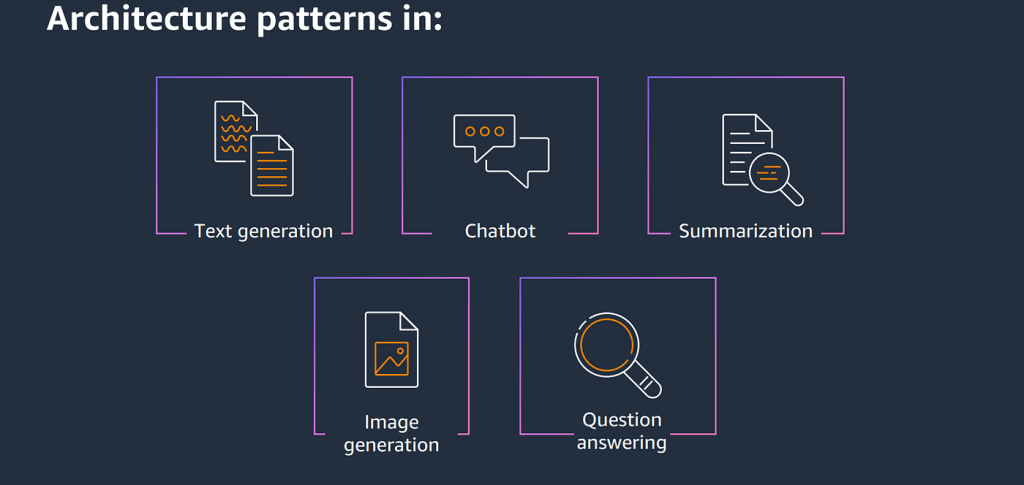
Understanding Generative AI Architecture:
Generative AI Architecture encompasses a suite of technologies and methodologies designed to generate data, images, text, and other forms of content that mimic human-like patterns. At its core, Generative AI relies on deep learning models such as GANs (Generative Adversarial Networks) and LSTMs (Long Short-Term Memory networks) to produce realistic outputs based on input data.
The Key Components of Generative AI Architecture:
- Neural Networks: Neural networks form the backbone of Generative AI Architecture, enabling the generation of complex and realistic outputs through layers of interconnected nodes.
- Training Data: High-quality training data is essential for training Generative AI models effectively. Enterprises often leverage vast datasets to ensure robust model performance.
- Algorithms: Sophisticated algorithms, including GANs, VAEs (Variational Autoencoders), and Transformers, drive the generation process by learning patterns and structures from the input data.
- Hardware Acceleration: Advanced hardware, such as GPUs (Graphics Processing Units) and TPUs (Tensor Processing Units), accelerates the training and inference processes, enabling faster iterations and deployment.
Applications of Generative AI Architecture in Enterprises:
- Content Generation: Generative AI is revolutionizing content creation by automatically generating text, images, videos, and even music. Enterprises can leverage this capability to streamline content production processes and personalize customer experiences.
- Creative Design: From product design to advertising campaigns, Generative AI empowers enterprises to explore new creative avenues by generating innovative designs and concepts.
- Natural Language Processing (NLP): Enterprises utilize Generative AI models for tasks such as language translation, text summarization, and dialogue generation, enhancing communication and collaboration across global teams.
- Personalization and Recommendation Systems: Generative AI enables enterprises to develop highly personalized recommendation systems by analyzing user behavior and generating tailored content and product suggestions.
- Fraud Detection and Cybersecurity: By analyzing vast amounts of data, Generative AI can detect anomalies and potential security threats, helping enterprises mitigate risks and safeguard sensitive information.
Challenges and Considerations:
While Generative AI Architecture holds immense potential for enterprises, it also poses several challenges and considerations:
- Data Privacy and Ethical Concerns: Generating realistic content raises concerns regarding data privacy, intellectual property rights, and ethical implications. Enterprises must adopt robust privacy measures and adhere to ethical guidelines.
- Bias and Fairness: Generative AI models may inadvertently perpetuate biases present in the training data, leading to unfair outcomes. Enterprises must implement measures to mitigate bias and ensure fairness in AI-driven decision-making processes.
- Model Interpretability: The inherent complexity of Generative AI models makes it challenging to interpret their decision-making processes. Enterprises must prioritize model explainability to enhance transparency and trust.
- Scalability and Performance: As enterprises scale their AI initiatives, they encounter challenges related to model scalability, performance optimization, and infrastructure requirements. Investing in scalable architectures and cloud-based solutions can address these concerns.
Best Practices for Implementing Generative AI Architecture:
- Define Clear Objectives: Clearly define the business objectives and use cases for deploying Generative AI within the enterprise.
- Invest in Data Quality: Ensure the availability of high-quality training data and implement data governance practices to maintain data integrity.
- Foster Cross-Disciplinary Collaboration: Encourage collaboration between data scientists, domain experts, and business stakeholders to ensure alignment and maximize the impact of Generative AI initiatives.
- Continuously Monitor and Iterate: Monitor model performance and user feedback regularly, and iterate on the design and implementation of Generative AI solutions to drive continuous improvement.
- Prioritize Ethical AI Practices: Embed ethical considerations into every stage of the AI development lifecycle and promote responsible AI usage within the enterprise.
Conclusion:
Generative AI Architecture represents a paradigm shift in how enterprises leverage artificial intelligence to drive innovation and create value. By harnessing the power of advanced algorithms and neural networks, enterprises can unlock new opportunities for content generation, creative design, personalization, and cybersecurity. However, navigating the complexities of Generative AI requires careful consideration of ethical, legal, and technical factors. By adopting best practices and fostering a culture of responsible AI usage, enterprises can harness the full potential of Generative AI Architecture and stay at the forefront of digital transformation.
 Tech Consultancy Blogs
Leave a comment