In the fast-evolving landscape of blockchain technology, Non-Fungible Tokens (NFTs) have emerged as a groundbreaking phenomenon, revolutionizing the way we perceive and trade digital assets. At the heart of this revolution lies the development of NFT marketplaces, providing a decentralized platform for creators and collectors alike to engage in the vibrant world of unique, tokenized assets. In this article, we explore the intricacies of NFT marketplace development, shedding light on its significance, underlying technology, key considerations, and the future trends that beckon.
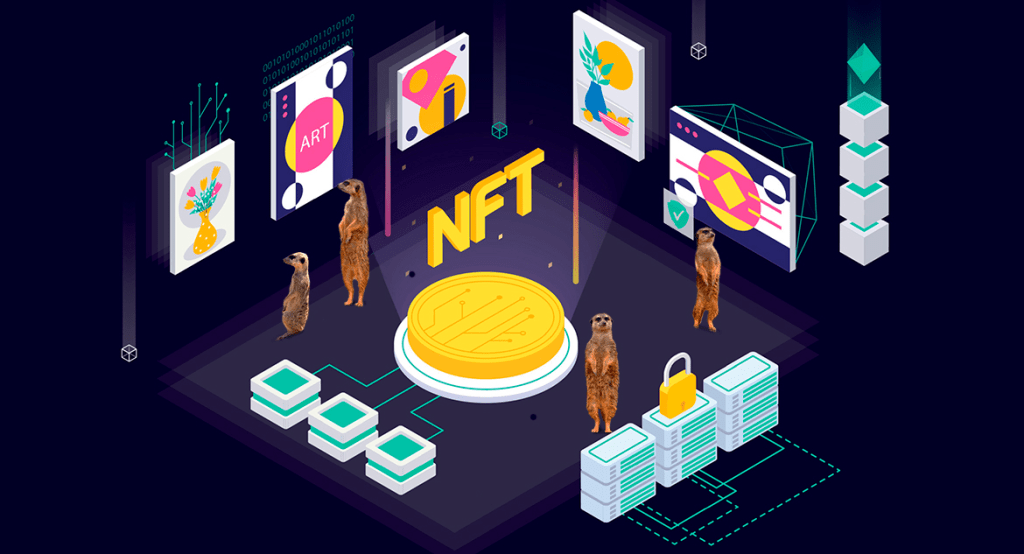
Understanding NFTs: More Than Just Digital Collectibles
NFTs are cryptographic tokens that represent ownership or proof of authenticity of a unique item or asset. Unlike traditional cryptocurrencies such as Bitcoin or Ethereum, NFTs are indivisible and cannot be exchanged on a one-to-one basis. They are most commonly associated with digital art, music, videos, virtual real estate, and other forms of digital content.
The Rise of NFT Marketplaces
NFT marketplaces serve as the digital bazaars where creators can mint and list their NFTs, and collectors can discover, purchase, and trade these unique assets. The decentralized nature of blockchain technology ensures transparency, security, and traceability, fostering a trustless environment for transactions.
Key Components of NFT Marketplace Development
- Blockchain Technology:
- Selecting a blockchain network that aligns with the goals of the marketplace (Ethereum, Binance Smart Chain, Flow, etc.).
- Leveraging the smart contract capabilities of the chosen blockchain to manage NFT creation, ownership, and transfers.
- Smart Contracts:
- Designing and deploying smart contracts that define the rules for creating, buying, and selling NFTs.
- Implementing standards such as ERC-721 or ERC-1155 for NFTs to ensure interoperability.
- User Wallet Integration:
- Integrating cryptocurrency wallets to enable users to securely manage their NFT holdings and transactions.
- Supporting popular wallet providers like MetaMask, Trust Wallet, or Coinbase Wallet.
- User Interface (UI) and User Experience (UX):
- Designing an intuitive and visually appealing interface for users to navigate and interact with the marketplace.
- Ensuring a seamless and user-friendly experience for both creators and collectors.
- Gas Fees and Scalability:
- Addressing concerns related to gas fees on blockchain networks by optimizing smart contracts.
- Exploring solutions for scalability to accommodate a growing user base without compromising performance.
Benefits of NFT Marketplace Development
- Global Reach:
- NFT marketplaces transcend geographical boundaries, providing creators with a global audience.
- Monetization for Creators:
- Empowering artists, musicians, and other creators to monetize their digital works directly.
- Immutable Ownership:
- Blockchain ensures the immutability of ownership records, preventing unauthorized alterations.
- Transparency and Trust:
- The decentralized nature of blockchain ensures transparency, fostering trust among users.
Considerations and Challenges
- Environmental Impact:
- Acknowledging and addressing concerns about the environmental impact of energy-intensive blockchain networks.
- Legal and Intellectual Property:
- Navigating legal frameworks and addressing intellectual property concerns in the realm of digital assets.
- Marketplace Security:
- Implementing robust security measures to safeguard user data, transactions, and NFT ownership.
Use Cases: Beyond Digital Art
- Music and Entertainment:
- Musicians releasing limited edition songs or concert tickets as NFTs.
- Virtual Real Estate:
- Virtual worlds and games selling virtual real estate as NFTs, allowing users to truly own digital land.
- Collectibles and Gaming:
- Games incorporating NFTs for in-game items, enabling true ownership and transferability.
Future Trends in NFT Marketplace Development
- Interoperability:
- NFT marketplaces collaborating to enable cross-platform trading and interoperability.
- Fractional Ownership:
- Exploring the concept of fractional ownership, allowing users to invest in portions of high-value NFTs.
- Enhanced Multimedia NFTs:
- NFTs evolving to include multimedia elements, such as 3D models, animations, and interactive content.
Conclusion: Paving the Way for a Decentralized Digital Economy
NFT marketplace development stands at the forefront of a transformative era, democratizing access to digital ownership and unleashing new possibilities for creators and collectors alike. As the technology continues to mature and adapt, the potential applications of NFTs extend far beyond the realm of digital art, promising a decentralized digital economy where ownership and creativity know no bounds. As we navigate this digital frontier, the development of NFT marketplaces plays a pivotal role in shaping the landscape of tomorrow’s creative economy.
 Tech Consultancy Blogs
Leave a comment