Introduction
In an era characterized by unprecedented volatility and complexity, effective risk management is paramount for organizations across industries. Artificial Intelligence (AI) is emerging as a transformative tool in the realm of risk management, offering advanced capabilities to analyze data, identify potential threats, and mitigate risks proactively. This article explores the diverse applications of AI in risk management and showcases key use cases that demonstrate its effectiveness in safeguarding businesses against uncertainties.
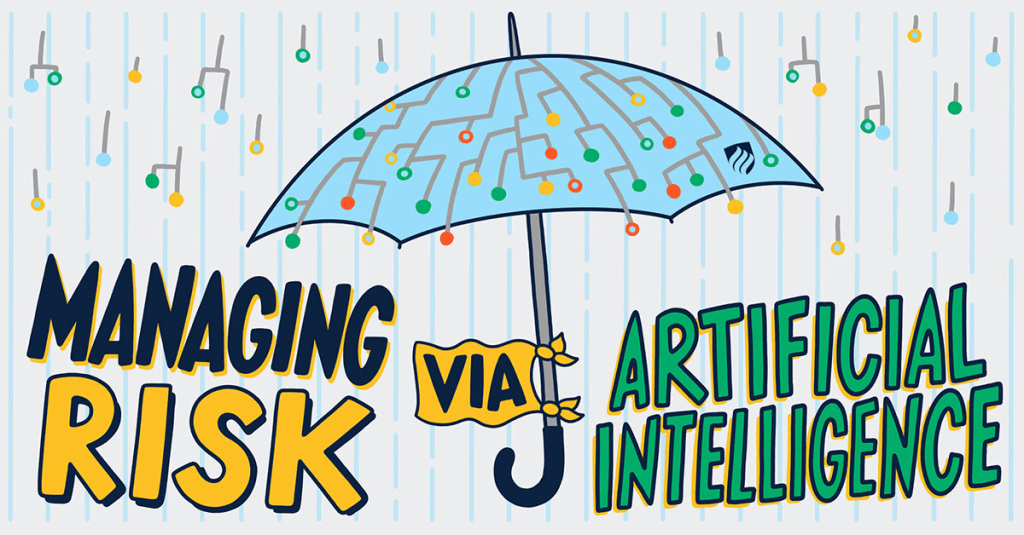
AI in Risk Management: Revolutionizing Risk Assessment
Risk assessment lies at the heart of effective risk management, encompassing the identification, evaluation, and prioritization of potential risks. AI technologies are revolutionizing traditional risk assessment methodologies by leveraging advanced algorithms to analyze vast volumes of data and extract actionable insights.
One of the primary applications of AI in risk management is predictive analytics, which enables organizations to forecast future risks based on historical data patterns. Machine learning algorithms can analyze historical risk events, market trends, and external factors to identify emerging risks and anticipate their potential impact. By leveraging predictive analytics, organizations can proactively implement risk mitigation strategies and optimize resource allocation.
Moreover, AI-powered risk assessment tools can enhance accuracy and efficiency by automating data collection and analysis processes. Natural language processing (NLP) algorithms can extract relevant information from unstructured data sources such as news articles, social media feeds, and regulatory filings, providing valuable insights into emerging risks and market sentiments.
AI Use Cases in Risk Management
- Fraud Detection and Prevention:
Fraud poses a significant risk to organizations across sectors, resulting in financial losses and reputational damage. AI-powered fraud detection systems leverage machine learning algorithms to analyze transactional data and detect anomalous patterns indicative of fraudulent activities. These systems can identify suspicious transactions in real-time, enabling organizations to take immediate action to mitigate risks and prevent potential losses. - Cybersecurity Threat Intelligence:
Cybersecurity threats continue to evolve in sophistication and scale, posing a significant risk to businesses’ digital assets and sensitive information. AI-based threat intelligence platforms utilize machine learning algorithms to analyze network traffic, identify potential vulnerabilities, and detect malicious activities. By leveraging AI-driven threat intelligence, organizations can strengthen their cybersecurity posture, proactively identify and address security gaps, and mitigate the risk of data breaches. - Credit Risk Assessment:
In the financial services industry, assessing credit risk is essential for prudent lending decisions and portfolio management. AI-driven credit risk assessment models utilize machine learning algorithms to analyze borrowers’ creditworthiness based on various factors such as credit history, income levels, and repayment behavior. These models can provide more accurate risk assessments compared to traditional credit scoring methods, enabling lenders to make informed decisions and optimize their loan portfolios. - Supply Chain Risk Management:
Supply chain disruptions can have far-reaching consequences, impacting production schedules, inventory levels, and customer satisfaction. AI-powered supply chain risk management solutions leverage advanced analytics to assess supplier performance, identify potential bottlenecks, and anticipate supply chain disruptions. By analyzing historical data, market trends, and external factors, these solutions enable organizations to proactively mitigate supply chain risks and optimize their operations.
Conclusion
Artificial Intelligence is revolutionizing risk management practices across industries, offering advanced capabilities to analyze data, identify emerging risks, and proactively mitigate threats. From fraud detection and cybersecurity threat intelligence to credit risk assessment and supply chain risk management, AI-powered solutions are empowering organizations to navigate uncertainties and safeguard their assets effectively. As AI continues to evolve, its integration into risk management processes will play a pivotal role in enhancing resilience, agility, and competitiveness in an increasingly volatile business environment.
 Tech Consultancy Blogs
Leave a comment