In the ever-evolving field of architecture, the advent of Artificial Intelligence (AI) has ushered in a new era of innovation and efficiency. From conceptualization to design and optimization, AI is transforming architectural processes, offering architects powerful tools to enhance creativity and streamline workflows. This article explores the intersection of AI and architecture, delving into its applications, advantages, and the profound impact it has on architectural design.
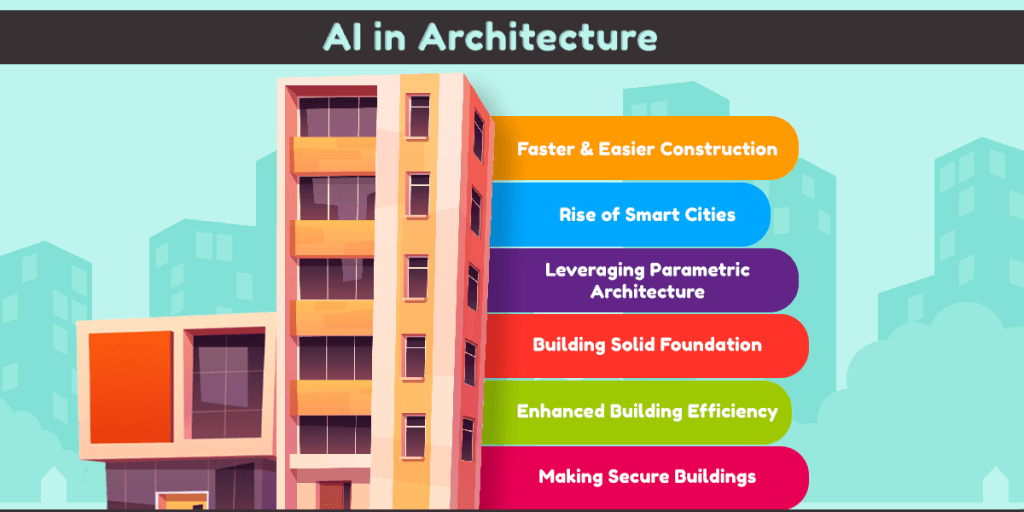
AI in Architecture: A Paradigm Shift
Redefining Design Processes
The integration of AI in architecture marks a paradigm shift in the way design processes are conceptualized and executed. Traditionally, architects relied on manual processes and intuition, but AI brings data-driven insights and computational capabilities to the forefront. This not only enhances the efficiency of architectural workflows but also opens up new possibilities for design exploration.
Applications of AI in Architecture
1. Generative Design
Generative design is a revolutionary application of AI in architecture. By inputting specific design parameters and constraints, AI algorithms can generate a multitude of design iterations. This process allows architects to explore a vast array of possibilities and discover innovative solutions that may have been overlooked through traditional methods. Generative design empowers architects to push the boundaries of creativity while considering functional and aesthetic requirements.
2. Site Analysis and Optimization
AI plays a crucial role in site analysis and optimization, aiding architects in making informed decisions about the placement and orientation of structures. By analyzing data such as sun exposure, wind patterns, and environmental factors, AI algorithms can optimize designs to maximize energy efficiency and sustainability. This application is particularly valuable in the era of sustainable architecture, where minimizing environmental impact is a top priority.
3. Parametric Design
Parametric design, facilitated by AI, allows architects to create complex and intricate designs with ease. By defining a set of parameters and relationships, architects can use AI algorithms to generate dynamic and responsive designs. This not only expedites the design process but also enables architects to easily modify and adapt designs based on changing requirements.
AI and Architectural Creativity
Augmenting Human Creativity
Contrary to concerns about AI replacing human creativity, its role in architecture is more about augmentation than substitution. AI tools assist architects in processing vast amounts of data, allowing them to focus on the more creative aspects of design. By automating repetitive tasks and offering design suggestions based on historical data, AI liberates architects to channel their energy into imaginative and groundbreaking design concepts.
Collaborative Design Process
AI fosters a collaborative design process where architects and AI systems work in tandem. Architects can leverage AI to analyze design patterns, explore possibilities, and receive real-time feedback. This collaborative approach enhances the creative dialogue between human designers and AI, leading to designs that seamlessly blend technological precision with artistic expression.
Advantages of AI in Architectural Design
Efficiency and Time Savings
One of the primary advantages of AI in architecture is the significant improvement in efficiency and time savings. AI-powered tools can handle complex calculations, simulations, and repetitive tasks much faster than traditional methods. This allows architects to allocate more time to the creative aspects of design, resulting in a streamlined and accelerated design process.
Optimization for Sustainability
AI’s ability to analyze environmental data contributes to the optimization of designs for sustainability. Architects can design structures that respond to their surroundings, utilizing natural elements to enhance energy efficiency. This not only aligns with global sustainability goals but also positions AI as a valuable tool in addressing the environmental impact of architectural projects.
Enhanced Precision and Accuracy
AI excels in ensuring precision and accuracy in architectural designs. By minimizing human error and providing real-time feedback, AI tools contribute to the creation of intricate and error-free designs. This level of precision is particularly crucial in large-scale projects where accuracy is paramount for structural integrity and aesthetic appeal.
Cost-Effective Solutions
Through the optimization of designs and efficient resource utilization, AI contributes to cost-effective architectural solutions. By identifying opportunities for material savings, energy efficiency improvements, and streamlining construction processes, AI helps architects deliver high-quality designs within budget constraints.
Conclusion: Shaping the Future of Architecture
In conclusion, the integration of AI in architecture represents a transformative leap into the future of design. From generative design and parametric modeling to site analysis and optimization, AI empowers architects to push the boundaries of creativity while addressing practical considerations. The synergy between AI and architecture is not about replacing human ingenuity but about amplifying it, creating a harmonious blend of technological innovation and artistic expression. As the architectural landscape continues to evolve, embracing AI as a design ally opens new avenues for groundbreaking, sustainable, and efficient architectural solutions that shape the world we live in.
 Tech Consultancy Blogs
Leave a comment